You know that feeling when you want something big, but your wallet just groans? Whether it's a car, that dream fridge, or surprise medical bill, not every purchase can (or should) wait until you have cash stacked up. Some things really do belong on a payment plan. That's what must-finance purchases are all aboutthose essential things where financing doesn't just make life easier, it makes life possible.
Here's how to spot the must-finance buys, avoid debt traps, and use smart financing tips to keep your money (and your sleep) on your side.
What Counts as Must-Finance Purchases?
Let's get clear: not every big spend deserves credit. Must-finance purchases are the ones where putting off isn't an option because you need them to survive, work, or keep moving. Think:
- Reliable transportation for your job
- Medical emergencies and urgent care
- Major home repairs (like a busted furnace in winter)
- Education or training for a better job
- Essential technology (laptop for remote school/work, not a tablet upgrade for fun)
Notice how "latest TV" or "trendy sneakers" didn't make the list. If life can go on without it, it probably shouldn't go on a loan.
Why Does It Matter What You Finance?
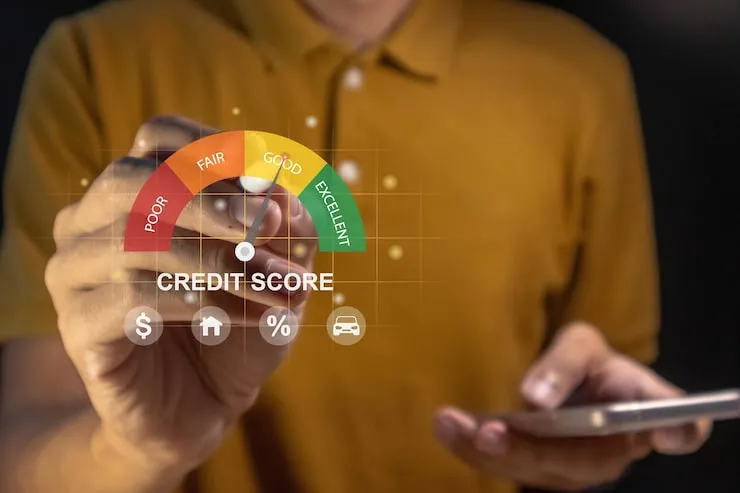
Swiping a card feels easy in the moment, but not every buy is worth the long-term debt. The magic is knowing when to use your credit power. If you finance a want instead of a need, you could end up paying interest for yearsand still regret it. But when you use financing on an essential, you keep your life ticking and sometimes even boost your credit score (if you pay on time).
- Not all financing options are equal (watch those rates and fees)
- Paying over time helps you handle surprises without draining savings
- Financing the wrong things can lead to money headaches you don't need
How to Decide: Should You Finance or Wait?
It's tempting to finance everything and let your future self figure it out. But smart folks use a quick gut check for essential finance purchases:
- Do you truly need it now (not next year)?
- Will it help you earn or keep your income?
- Is it replacing something that's broken, not just outdated?
- Can you pay off the loan fast (before interest balloons)?
- Will your life get worse if you wait until you have the cash?
If you hit "yes" to more than three, it's probably a must-finance moment. But if it feels like an impulse want, step back. Today's urge isn't tomorrow's need.
What Are the Best Financing Options?
You don't have to stick with just credit cards. There are plenty of smarter financing choices:
- Low-interest personal loans (look out for origination fees)
- In-store payment plans or "buy now, pay later" (danger: tempting and easy to overspend)
- Zero-percent introductory credit cards (if you know you can pay it off before the promo ends)
- Credit unions (often cheaper loans for members)
- Home equity loans (only if you're sure you can handle the payments)
Shop around before signing anything. Ask about every fee, every penalty, and the total youll pay if it takes longer to pay off. If someone pushes you to sign in five minutes, run the other direction.
Smart Financing Tips for Essential Purchases
- Keep your monthly payments under 10% of your take-home pay (seriously, math it out)
- Never finance "nice to have" itemsonly true essentials
- Always read the fine print (even when you're in a hurry)
- Set calendar reminders for paymentseven responsible people forget
- If the interest is sky-high, look for another way
- Prioritize paying off the highest-interest item first
Personal note: The first time I financed a laptop, I missed the final payment and got slammed with back interest. Lesson learnedput every due date in your phone as soon as you sign.
Biggest Mistakes People Make with Purchase Financing
- Financing non-essentials (like the fanciest phone or a vacation)
- Ignoring interest rates and hidden fees
- Letting payments pile up (more than two at once can get stressful)
- Skipping payments (wrecks your credit faster than you think)
- Borrowing from sketchy lenders (if it feels fishy, it is)
Try not to outsmart yourself: If the monthly payment feels tight now, it'll hurt more if money gets tight later. Stay honest, even if it's annoying.
What To Do If You Regret Financing Something
Maybe you jumped on a deal or let a smooth-talking salesperson talk you into a "must-have." Here's what you do next:
- Check for a return or cancellation policyuse it if you can
- Refinance if possible (lower that rate or combine payments)
- Sell the item to recover some cash
- Double up payments to kill the debt faster
- Set a "no financing" rule until everything's paid off
Everyone makes money mistakes. The worst thing is pretending it didn't happen. Face it and plan a way out.
Quick Takeaways for Staying Finance Savvy
- Only finance what truly matters (needs, not wants)
- Compare every financing option, not just the first one you see
- Read the fine print so nothing bites you later
- Keep payments small and your budget breathing
Buying on credit doesn't mean you've failed at money. Sometimes it's exactly the right move. Just be clear-eyed about what you're signing up for, and future you won't regret it.
FAQs
- What are the top must-finance purchases most people have?
Biggest ones: cars you need for work, medical expenses, home repairs that can't wait, and education. These keep your life running. Financing them is normal. Just avoid using credit for stuff you can live without. - Are "buy now, pay later" services safe for essential finance purchases?
They're okay for small, true needs. But it's easy to stack them up and get overwhelmed. Always check fees and make sure you can pay on time. If an emergency pops up, skip these. - How can I check if a financing option is a good deal?
Quick test: Look at total cost, including all interest and extras. If you end up paying way more than the item is worth, pass. Compare at least two or three options before deciding. - What should I do if monthly payments get too high?
Contact your lender right away, don't hide. Ask about changing your payment plan or refinancing. Some lenders will help you if you run into trouble. And always cut back on new spending until you get back on track. - What qualifies as an essential purchase to finance?
If it's something you can't live or work without right now, it's essential. Car to get to work, heating in winter, fixing a roof leak, or paying for needed medicinethat's the list. Wants can wait; needs sometimes can't. - Can financing improve my credit score?
Yes, if you pay on time and keep your balances low. Responsible purchase financing shows you can manage credit. Missed or late payments hurt you fast, though, so stay on top of it.