Debt can sneak up on anyone. One credit card here, a car loan there, maybe a medical bill or twoand suddenly, youre juggling a mountain of payments, different due dates, and a never-ending stream of stress. If youve ever sat on your couch, calculator in hand, wondering if theres a simpler way to handle it all, youre not alone. Good news: there is. Consolidation loans are helping more people knock out debt than ever, and with less hassle than youd expect. Heres how it works, why it can make life easier, and what to watch out for so you dont swap one headache for another.
What is a consolidation loan, really?
A consolidation loan is a new loan you take out to pay off several existing debts. Instead of five different bills every month, you get one payment, one interest rate, and a clear path to being debt-free. People use them for credit cards, store cards, or even medical bills. Think of it like cleaning up a messy bedroomyou put everything into one big box to deal with just once a month.
- Simplifies paymentsNo more keeping track of multiple due dates
- Can lower your interest rate
- Makes your monthly budget easier to manage
This works especially well if your new consolidation loan has a lower rate than the average of your old debts. You could end up saving serious cash in interest.
How consolidation loans erase debt faster
Here's the magic: the right loan can actually speed up your debt payoff. Why? When you combine high-interest balances (like credit cards) into a single loan with a lower rate, more of your payment goes toward your balancenot interest. Thats how people cut years off their repayment. Some loans even come with fixed terms, so you know the exact date youll be debt-free. No more endless minimum payments.
- Lower monthly payments are possible, but focus on paying the same amount as before if you canthis crushes debt faster
- Fixed payoff date helps you plan your future
- Less stress: one bill, one due date
But heres the catch: If you only pay the minimum, you could stretch out debt longer. You need to keep paying what you used to, or more, to see real benefits.
What types of consolidation loans are out there?
Not all consolidation loans are created equal. Which one fits you best depends on things like how much debt you have, your credit score, and whether you own a home.
- Personal consolidation loans Unsecured (no collateral needed). Great for most folks.
- Home equity loans or lines Using your house to back the loan. Lower rates, but riskier.
- Balance transfer credit cards 0% interest for months, but you must pay it off fastand watch for transfer fees.
- Debt management plans Not technically a loan, but a way to work with a counselor who negotiates lower rates for you.
Each type comes with pros and cons. Personal loans have higher rates than home equity, but youre not risking your house. Balance transfers are awesome if youre laser-focused and can pay off the balance before the promo ends.
How to get a consolidation loan (and what goes wrong if you don't plan)
Getting a consolidation loan is a little like applying for any loana lender looks at your credit, income, and current debt load. Personal loans are the most common path for most people. Here are the steps that work:
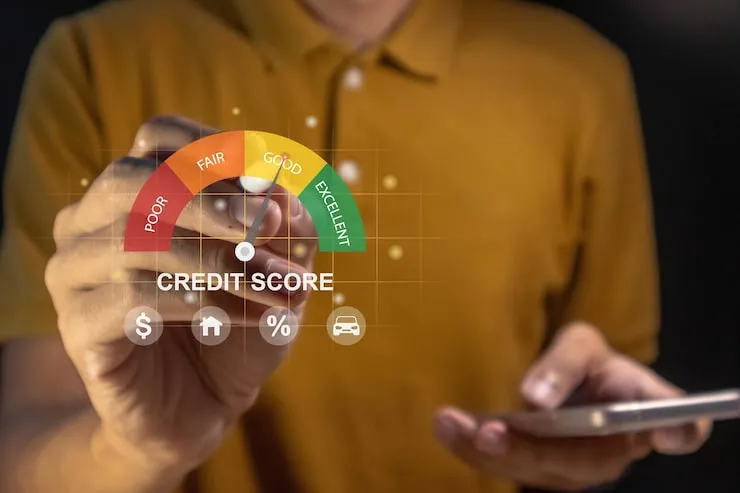
- Check your credit score first
- List every debt and how much you owe
- Shop several lendersnot just your usual bank
- Make sure the new loan actually saves you money (check the APR and fees!)
- Dont run up new debt after consolidating
Where do people trip up? Easy: They get a consolidation loan and then start using their paid-off cards again. The debt piles up double. Or they dont read the fine print and face fees or a sky-high interest rate after a promo ends. Always read the details and make a plan. Lock up the cards if you have to.
Who should consider consolidation loans?
Not everyone needs a consolidation loan. Its best if you have more than one high-interest debt, steady income, and a decent credit score (for better loan options). If youre drowning in late fees or have way more debt than you can handle, you might want to talk to a nonprofit credit counselor first.
- People with several high-interest credit cards
- Anyone struggling to keep track of multiple payments
- Folks who want a clear payoff date
A consolidation loan doesn't erase your debt magically, but it makes your climb out go a lot smoother. Youre trading chaos for clarity.
Are guaranteed consolidation loans real?
Heres the honest truth: No one can guarantee a loan for every person, but some lenders make it easier if you meet basic requirements. Be wary of ads or companies promising 'guaranteed approval for everyone'thats usually a scam or a payday lender with crazy fees. Real lenders check your credit, your ability to pay back, and might need some paperwork. If it sounds too good to be true, it probably is.
- If a lender asks for upfront money, run away
- Stick to legit banks, credit unions, or established online lenders
- Trust your gutif something feels off, it probably is
The right loan is out there for most people, but you do have to qualify honestly.
What happens after you consolidate?
Paying off your old debts with a new loan feels like taking a deep breath. But now the real work begins: sticking to your new plan. Heres what works best for most people:
- Track your progresswatch that balance drop every month
- Leave old credit cards open (for your credit score), but dont use them
- Automate your payments so you never miss one
- Avoid taking on new debt while you pay this off
Making that final payment is a huge relief. And yes, youll probably sleep better at night without all those bills stacked up.
Consolidation loans are a toolnot a fix-all
If you use consolidation loans right, they give you breathing room and a shot at a fresh start. If you dont change your spending, though, youll land right back where you startedor worse. The real trick is using the loan to get out (not deeper in), changing your habits, and planning for the long run. Youve got options. Nows the time to take action and simplify your money lifebecause stress shouldnt control your story.
FAQs about consolidation loans and debt repayment
- Q: Will a consolidation loan hurt my credit score?
A: Maybe a little at first, since opening a new account causes a small dip. But if you stay on track with payments and dont rack up new debt, your score usually goes up over time. Its a short-term hit for a long-term win. - Q: Can I use a consolidation loan for any debt?
A: Most people use them for credit card balances, but you can also pay off medical bills, personal loans, or even payday loans. The key is that the debt is unsecurednot tied to a car or house. - Q: Do I have to close my credit cards after paying them off?
A: No! In fact, keeping old accounts open (but unused) can actually help your credit score. Just lock those cards away so youre not tempted to use them again. - Q: Are there fees with debt consolidation loans?
A: Sometimes. Look out for origination fees, balance transfer fees, or early payoff penalties. Always read the fine print before signing anything so there are no surprises. - Q: Whats the difference between debt consolidation and debt settlement?
A: Consolidation means combining debts into one loan with better termsyou still pay everything you owe. Settlement is when you negotiate to pa less than what you owe, which tanks your credit. Consolidation is almost always a safer bet if you can qualify. - Q: Should I talk to a credit counselor before getting a loan to pay off debt?
A: If you feel overwhelmed or cant even make your minimum payments, talking to a nonprofit credit counselor is smart. They can help you weigh your options and avoid scams.