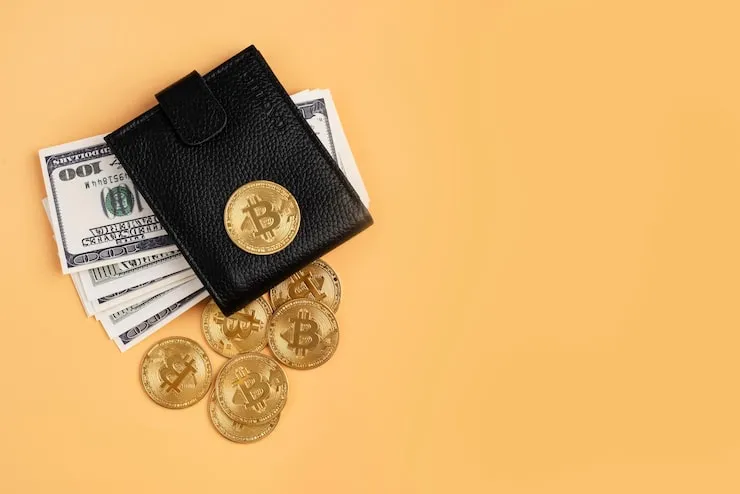
Your money can feel like it's going out faster than it's coming in. Ever checked your bank app and wondered, 'Where did it all go?' That's more common than you think. Learning how to protect your money isn't about being cheap or turning into a finance nerd. It's about keeping what you earn so you can do more of what you love. Let's break down the secrets that people who are good with money use, with tips you can start right away.
Why Does Money Disappear So Quickly?
Most people don't lose money on purpose. Life just gets busy and little leaks add up. Think of it like dripping faucets. One drop isn't much, but over time your wallet dries up. Subscriptions you don't use, random fast food runs, that 'emergency' online sale they all nibble at your cash.
- Automatic payments you forgot about
- Impulse shopping when you're tired or stressed
- Friends splitting bills unevenly
- Not checking accounts regularly
The fix? Pay attention, even if it's just five minutes a week. That alone will make a difference.
What Do Smart Money Managers Do Differently?
People who manage money well aren't born with special powers. They set up small systems and stick to habits, not rules. Here are some secrets:
- They keep savings out of sight, so spending it is hard
- They treat saving like a bill paying themselves first
- They budget for fun, so they don't feel guilty enjoying life
- They use alerts or apps to track spending automatically
One friend I know has a 'Spare Change Challenge.' Every time he hears coins jingling, he transfers a few bucks to savings. It's small, but at the end of the year he has travel money.
How Can You Build an Emergency Fund Without Feeling Crushed?
An emergency fund sounds boring until you're hit with a sudden bill. Saving up even a small stash gives peace of mind. Try this:
- Start with a goal that's not scary $100 or $250, not $2,000
- Put away tiny amounts right after each paycheck before paying bills
- Use a separate account you don't check daily
- Reward yourself for hitting milestones like getting takeout when you cross $250
The first time I did this, it took months to reach $300. But when my car died, that fund saved me. No stress, no debt spiral.
What Are Simple Ways To Stop Overspending Before It Starts?
It's way easier to stop overspending at the source than fix it after. People who are great at smart money management use tricks, not willpower.
- Create a 'fun money' category when it's gone, it's gone
- Delete old shopping apps or saved credit cards, so it's not easy to buy on impulse
- Plan for one big treat each month instead of lots of little ones
- If you're tempted, wait 24 hours before any big purchase
Most regrets happen on the spot not after sleeping on it. This one-day rule changed my habits for good.
How Do You Actually Keep Your Money Safe From Scams?
You don't need a tin can buried in the yard, but protecting money from fraud is real. A few small steps save you huge headaches.
- Choose strong passwords and change them every few months
- Never share banking info over text or random phone calls
- Check your accounts weekly for weird charges
- Enable alerts for big transactions or logins you didn't make
One friend caught a fake charity scam by noticing $10 missing. Her bank fixed it because she acted fast. The lesson? The sooner you spot a problem, the easier it is to fix.
Can You Protect Money Without Feeling Miserable?
Saving and protecting your money isn't about shutting down every good thing. It's about finding balance. There are smart money saving strategies that don't feel like punishment:
- Do group buys on big-ticket items and split costs
- Have no-spend weekends where you get creative at home
- Rotate 'who pays' in your friend circle for nights out, rather than splitting every bill
- Automate saving, so you don't think about it
You'll thank yourself later and still have fun now.
Which Money Mistakes Happen Most Often?
Even the sharpest friends mess up sometimes. The most common traps are sneaky:
- Not budgeting for random stuff like gifts or repairs
- Thinking more income will fix poor habits
- Loaning friends money you can't afford to lose
- Trying to 'time the market' with investments
If you bump into one of these, don't beat yourself up. Everyone slips. The trick is to notice it, learn, and try a different approach next time.
What Can You Start Doing Right Now?
All the financial protection tips in the world won't help if you try changing everything at once. Pick one thing:
- Set up a savings transfer, even $5
- Cancel an old subscription
- Add a passcode or fingerprint to your bank app
- Review last month's spending and pick one habit to break
Your future self will be glad you did.
FAQs About Protecting Your Money
-
What is the easiest way to start protecting my money?
Start by checking your bank and credit card statements every week. Look out for charges you don't remember and subscriptions you forgot. This one habit catches problems early and helps you see where your money is slipping away. -
How can I save more money if my income is low?
Focus on small amounts at first, like putting away $1 or $5 after each paycheck. Try using cash for daily spending so you know when you're running low. Even tiny savings add up, and the habit matters more than the amount. -
What are common ways people get scammed out of money?
Scams often show up as fake emails, texts, or calls asking for personal info. Never share passwords or codes, even if someone seems legit. If an offer sounds too good, it usually is. Always double-check before sending money or clicking links. -
Should I keep all my savings in one bank?
It's best to use a main bank, but having a small emergency fund at a different bank can help if one account gets locked. This keeps your money safer and makes it harder for a hacker to take everything at once. -
How do I talk to friends or family about splitting costs fairly?
Be honest and keep it simple. Say you want to make sure everyone pays their fair share so nobody feels stressed. Suggest apps that split bills or take turns paying. Most people appreciate it when someone brings this up. -
What if I make a money mistake?
Don't freak out. Everyone messes up with money sometimes. Look at what happened, fix what you can, and try to set up a simple rule to avoid the problem next time. It's all part of learning how to protect your money for real life.
No one gets money right all the time, but with these habits, you'll lose less and keep more. Start small, stick with it, and your money will start working for you not the other way around.