Debt can feel like a weight you carry every day. That monthly reminder in your bank app? Even more so if it's a long-term loan, a pile of credit card balances, or a mortgage that stretches into the next decade. But here's the deal: you don't have to live with that stress forever. Smart long term debt management helps you get back control, keep your sanity, and actually enjoy your money again.
What Exactly Is Long-Term Debt?
Long-term debt usually means money you owe that takes more than a year to pay off. Stuff like car loans, student loans, big credit card balances, or a mortgage. It's not just one billit's something you commit to for years, maybe even decades.
- Mortgages on homes
- Student loans
- Auto loans longer than 12 months
- Credit cards carrying a balance month-to-month
Long-term debt isnt always bad. It helps you buy things you couldn't all at once. But if you arent careful, those payments start choking your budget. Understanding how to mess with the numbers to your advantage is key.
Why Does Managing Long-Term Debt Matter?
It's not just about sleeping better (though that's a huge bonus). Good debt management is the secret sauce behind managing financial performancefor your wallet and your peace of mind.
- Save thousands on interest over the years
- Make room for real goalstravel, retirement, your own business
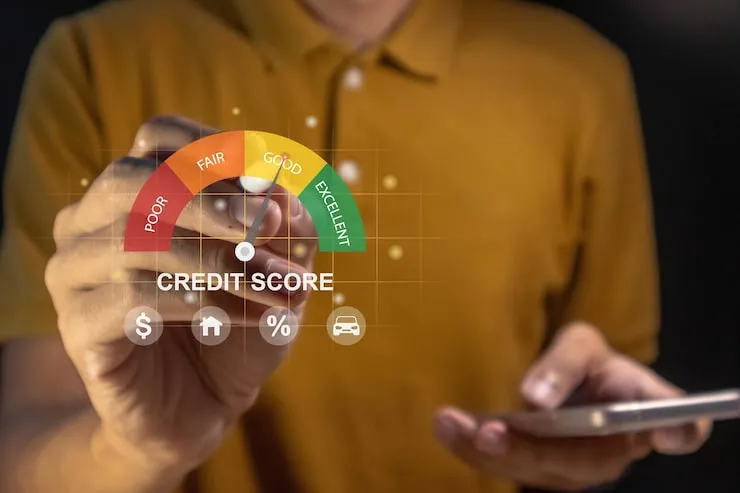
- Boost your credit score
- Stop the paycheck-to-paycheck cycle
When you get a grip on your debt, everything else gets easier. Saving, investing, even just taking a random day off work.
How Do You Start Reducing Long-Term Debt?
This is where most people freeze: It feels too big. But you dont have to clear everything in a week. Every small win counts.
- Write it all down. Grab all your debts and list them: Who do you owe? How much? What's the interest rate?
- Pick a strategy. Youve got options. Snowball (pay smallest debts first) or Avalanche (pay highest interest first). Both work. Pick what keeps you motivated.
- Cut fatfast. Can you trim a subscription, eat out less, or find a side gig? That extra cash slashes your debt faster than skipping lattes alone.
- Automate payments. One click, stress gone. Fewer missed payments mean fewer fees and a better credit score.
The first time I tracked all my debts, it was uglylike seeing your closet after years of cramming stuff inside. But knowing the numbers makes the challenge real and beatable.
What Makes Debt Repayment Strategies Work?
Theres no magic formula, but good debt repayment strategies have two things: They fit your life and theyre something you can stick with for the long haul.
- Consistency beats speed. Pay what you can, every single month, even if its small.
- Plan for surprises. Life throws curveballscar repairs, surprise bills. Build a mini emergency fund (just $500) so you dont go deeper if stuff happens.
- Refinancing and consolidating. Got a good credit score? You might be able to bundle debts into one payment with a lower rate. But watch for fees and read the fine print.
Biggest mistake? Trying to pay off everything right away, then burning out and giving up. Start with a plan you can live with, even on rough months.
Common Traps That Sabotage Financial Stability
Even with the best plan, you can get stuck. These are the usual troublemakers:
- Taking on new debt before you clear the old
- Ignoring high-interest accounts
- Skipping payments (hello, late fees)
- Chasing lifestyle upgrades instead of focusing on stability
Ive seen so many people pay off one credit card then celebrate... by racking it right back up. Trust me, nothing kills progress like undoing your own hard work.
How Long Does It Take To Be Debt-Free?
Longer than you want, usually. But the finish line is worth it. You can use debt calculators to get a rough idea, but rememberevery month you stick with it, the interest monster gets smaller.
For most, it's a few years. Some folks, especially with big student loans or a mortgage, might take longer. Dont let that freak you out. Success is about moving forward, even if its slow. Slow is still better than stuck.
Tips For Staying Motivated During Long-Term Debt Management
- Track your progress. Watching balances shrink feels good.
- Reward small wins (cheaply). Finished a loan? Treat yourself, but not with more debt!
- Connect with others. Share your journeyonline forums, friends, even a group chat with a goal.
- Focus on your why. Whether its security, freedom, or travelkeep your eyes on the real prize.
Mini-Takeaway
More than money, all this work is about peace of mind. Every dollar paid off is one less worry keeping you up at night.
FAQs About Long Term Debt Management
- What's the easiest way to start managing long-term debt?
List every debt you have, along with how much you owe and the interest rates. Knowing your numbers is the first step. Then pick one debt to start paying extra on. Even a few dollars above the minimum matters. - How do I know which debt to pay off first?
If high interest is eating you alive, pay that one first (that's the Avalanche method). If you need quick wins to stay motivated, pay off the smallest balance (the Snowball method). Both workpick what's easier for you to stick with. - Can I really get out of debt if my income is low?
Yes, you can! It might take longer, but tightening your budget even by a little and sticking to a plan will chip away at the debt. Extra work, side gigs, or selling stuff you don't need can speed things up. - Should I refinance or consolidate my loans?
Refinancing or consolidating loans can save money if you get a lower interest rate, but look out for fees. Read the details before signing. Sometimes, just sticking to your current plan is better if rates arent much lower. - How does long-term debt affect my credit score?
If you make steady payments, long-term debt can help your credit score. But missed or late payments can hurt it a lot. Paying on time and keeping balances low is the best move. - What if something goes wrong and I miss a payment?
Contact your lender as soon as possible. Most will work with you if you ask early. Missing a payment isn't the endjust don't ignore it or it might lead to late fees or a damaged credit score.
Final Thoughts
Getting rid of long-term debt is tough, but totally doable. Start by knowing your numbers and picking a plan you can live with. Keep going, even if progress is slow. You'll thank yourself down the road when your paycheck is finally yours, and not already promised to someone else.