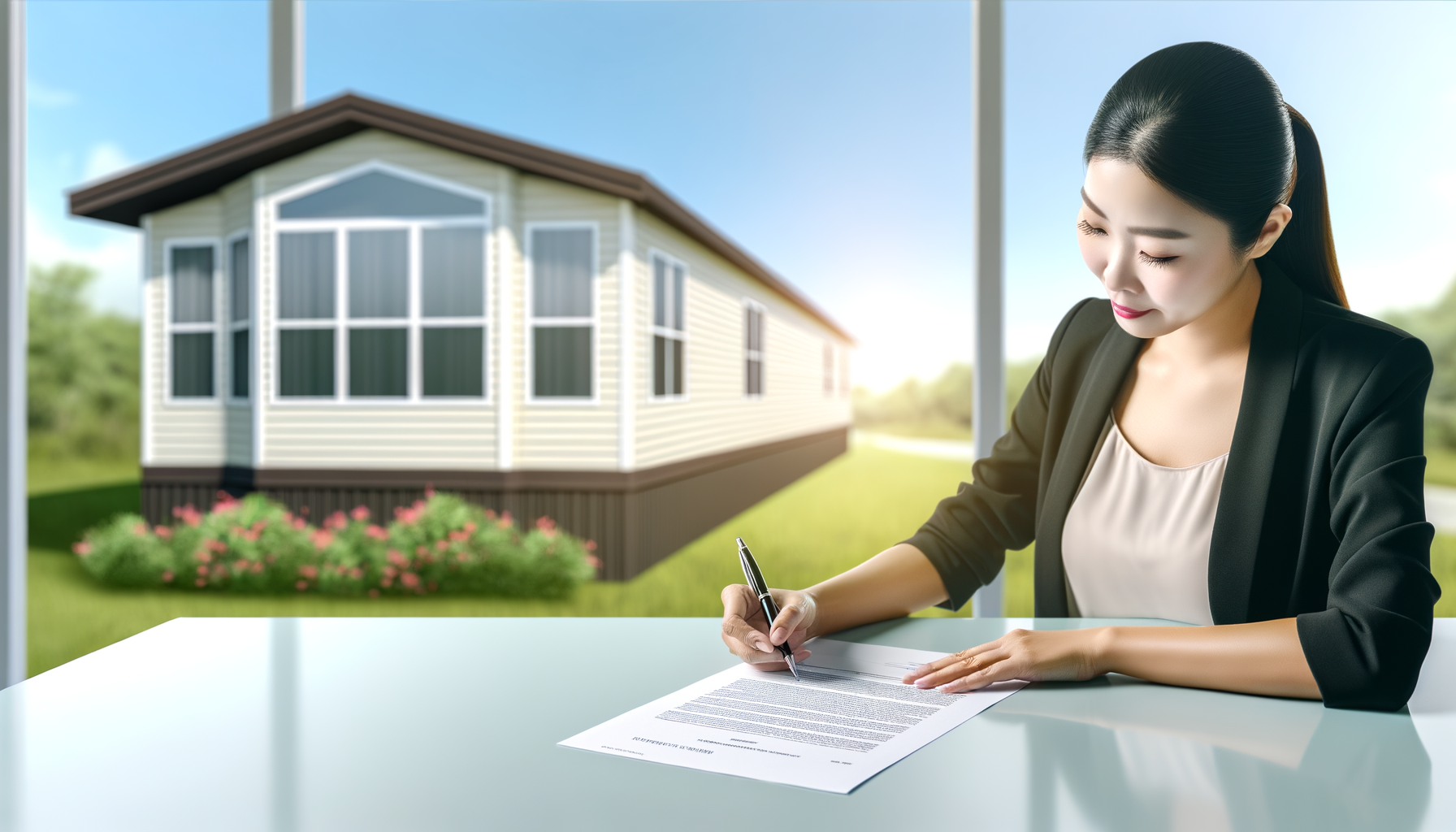
You finally own your manufactured home, but now you want to upgrade, start a business, or just get ahead on bills. Cash feels tight, but your home might hold the solution. Using a manufactured home loan using collateral could be what turns your "maybe someday" plans into "let's start now." Let's break down exactly how it works, if it's risky, and how you can use your manufactured home to secure the financing you needwithout making things messier down the line.
What Does It Mean to Use Your Manufactured Home as Collateral?
This part is simple: collateral is something valuable you own that a lender can take if you stop making payments on your loan. With a manufactured home loan using collateral, you put up your home as backup. The lender likes this because it lowers their riskand you might get better terms, like a lower interest rate, or a bigger loan amount.
- If you repay the loan, you keep your home and your extra cash.
- If you cant pay, the lender may take your home to pay off what you owe.
People do this with cars and traditional houses all the time. A manufactured home secured loan works the same way, but there are some twists because of how these homes are classified and valued.
Why Do People Use Manufactured Home Collateral Loans?
Good questionbecause honestly, it's not for everyone. Heres why people try it:
- They want a bigger loan: Collateral lets you qualify for more money than a credit card or personal loan might offer.
- Interest rates may be friendlier: Secured loans are less risky for banks, so you could get a break on the rate.
- They need money fast: If your credit isnt perfect, using your home speeds up approval.
But remember: youre betting your home. Only go this route if youre sure you can make the payments, even if things get rocky.
How Does Manufactured Home Financing with Collateral Actually Work?
Heres how to get started with a manufactured home loan using collateral:
- Check your homes title: Is it in your name, and do you actually own it free and clear?
- Get your home appraised: Lenders will want a recent valuation to see what your home is worth.
- Shop loan offers: Banks, credit unions, and some online lenders handle manufactured home loans.
- Fill out some paperwork: Proof of income, ID, insurance, and the homes details.
- Agree to terms: If approved, youll sign a loan deal using your home as collateral.
- Get your cash: Funds usually land in your bank account in a week or two.
Tip: Keep all your documents (like the title and loan agreement) somewhere safe. Youll need them if you move or want to pay off your loan early.
What Are the Risks With Using Your Manufactured Home as Loan Collateral?
Lets be totally honest. Collateral loans arent magic moneythey come with some big risks:
- You could lose your home: Missing payments means the lender can step in and take it.
- You might owe more than your home is worth: Home values can drop, but your loan doesnt.
- Upfront fees and insurance costs: Lenders may tack on extras you didnt budget for.
- Stricter rules: Your home might have to be a certain age, on a foundation, or meet lender specs.
Everyone hopes it works out perfectly, but always have a backup plan. Ask yourself: Is this loan helping me get ahead or just plugging leaks for a while?
Common Mistakes People Make (And How to Dodge Them)
- Not reading the fine print: Some folks sign up without checking prepayment penalties or hidden fees.
- Overestimating home value: Lenders use their number, not yourslowball appraisals happen.
- Borrowing too much: More cash now means bigger monthly bills later.
- Ignoring credit score: Even with collateral, bad credit can mean sky-high interest rates.
- Skipping insurance: If your home isnt insured, youre extra exposed if things go sideways.
Talk to more than one lender. If their offers look too different, ask why. Sometimes banks know things about your local market, and you want the most accurate info possible.
Pros and Cons of Using a Manufactured Home Secured Loan
- Pros:
- Bigger loans with lower interest rates than some unsecured options
- Fast approval process, especially if you have steady income
- Can use the money for almost anything: repairs, pay off debt, start a business
- Cons:
- Possible to lose your home if you fall behind
- Extra paperwork and property rules to clear before you get approved
- May come with upfront fees or higher insurance costs
Its all about trade-offs. Sometimes, a manufactured home collateral loan is exactly what you need. Other times, its safer to wait or seek a different loan.
Quick Tips: Making Your Manufactured Home Collateral Loan Work for You
- Make every paymentset reminders, autopay, whatever works
- Save a cushion: Three months of payments, just in case
- Ask about paying off early without penalties
- Keep your home in good shapelenders sometimes check!
- If youre over your head, call your lender fastwaiting just makes it worse
Real-World Example: Sarahs Story
Sarah bought a manufactured home ten years ago. She dreamed of opening a bakery, but needed cash to get started. Her credit cards wanted crazy-high rates, but she owned her home outright. After checking her local credit union and getting an appraisal, she used her home as collateral to snag a better loan rate. Did it take paperwork? Yes. Was she nervous? Absolutely. But she double-checked every rule and set up automatic payments. Now, her bakery is thriving, and she kept her home.
How to Decide if a Manufactured Home Loan Using Collateral Is Right for You
- Are your finances steady? If job or income is shaky, think twice
- Can you handle the monthly bill, even if things get tough?
- Have you read every word of the agreement?
- Do you have a backup if something goes wrong?
A manufactured home financing plan like this is best if you need a bigger loan, can handle the risk, and feel confident about future payments. If you just need quick cash and arent sure you can keep up, there might be a safer way.
FAQs About Manufactured Home Loans Using Collateral
- Can I get a manufactured home collateral loan with bad credit?
Yes, sometimes you can. Lenders care about the value of your home as collateral, but bad credit often means paying more in interest, or stricter terms. Always ask about the rate and double-check the total cost before signing anything. - Do I need to own my manufactured home free and clear?
Most lenders want you to fully own your home with no liens or loans left. That way, there's no one else who has a claim if things go wrong. If you still owe, you might need to pay off the old loan first. - What if my manufactured home is older or not on a foundation?
Lenders are picky about the home's condition and placement. Some need it to be newer or on a permanent foundation. If your home is older or movable, options might be limited or come with a higher rate. - Can I use the loan money for anything?
Usually, yes. Manufactured home secured loans are often flexibleyou can use the funds for home repairs, debt consolidation, a car, or even a business. Still, ask your lender if there are any restrictions before you start planning how to spend. - How much can I borrow with my manufactured home as collateral?
The amount depends on what your home is worth and your lender's rules. Some may lend up to 70% of the appraised value, but factors like your income and credit score mater too. Always get a real quote to see your options. - What happens if I can't pay back the loan?
If you stop making payments, the lender may start the process to take your home and sell it to get their money back. If this looks likely, talk to your lender as soon as you cansometimes you can work out a deal before losing your home.
If you line up your paperwork, set reminders, and only borrow what you know you can repay, a manufactured home loan using collateral can be a powerful toolnot a trap. Get clear on your options, ask tons of questions, and youll be in a much stronger spot to build the life you want.