Your dream home feels out of reach because your credit cards are maxed out. You scroll through listings and think, not me. Here's the truth: having a pile of credit card debt doesn't mean you're locked out of home buying forever. Buy a house with high credit card debt? Its tough, but doable if you know the playbook. In the next few minutes, youll learn how to improve your odds, what lenders really look for, and how to get honest about your options. No sugarcoating, no finance buzzwordsjust real talk for real people.
Does High Credit Card Debt Mean You're Disqualified?
Nope, but it does make things harder. Banks and lenders care less about your absolute debt and more about how much of your income goes toward paying debt each month. That's called your debt-to-income ratio (DTI). If your cards are maxed out, your DTI shoots up, and mortgage companies start to get nervous. This doesn't mean it's impossible, but it might limit the size of loan you can qualify for or bump up your interest rate.
- If more than 43% of your income goes to bills and debt, most lenders get twitchy
- High credit card balances can sink your credit score
- Low credit scores mean higher rates (or sometimes: no loan at all)
The first time I looked at my DTI, it was like someone dumping cold water on my plans. But it's better to know the numbers before you apply than get blindsided after falling in love with a house.
What Lenders Actually Care About
Lenders want to know three big things: can you pay the loan, will you pay the loan, and what happens if you cant. It boils down to your income, your credit, and the down payment.
- Income: Steady paychecks win. Even if your debts are high, proof of consistent income helps.
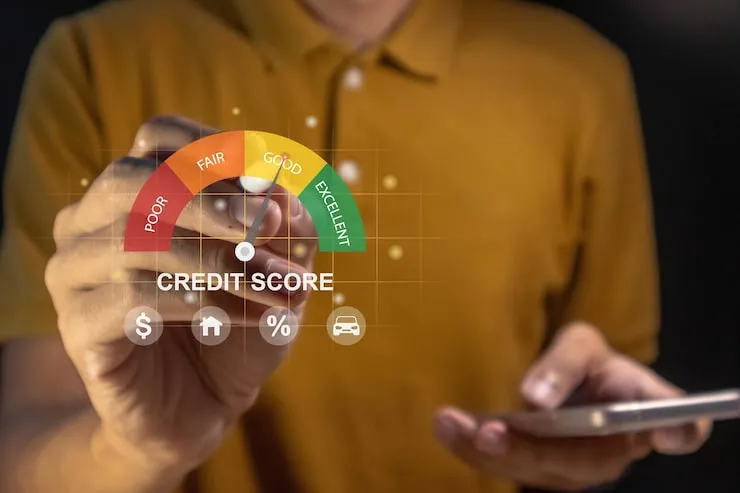
- Credit Score: Each lender has a minimum, but many want to see 620 or higher for easy approval. Lower scores mean youll need to jump hoops.
- Down Payment: More money upfront can make up for a shaky credit picture. 20% is great, but some programs let you go lower, especially for first-timers.
Here's a quick story: My friend had five credit cards close to maxed out but a rock-solid job and a side gig. Her lender said yes, but not for her dream house. She started smallernow she owns, and her debt's lower, too.
Can You Get a Home Loan With Maxed Out Credit Cards?
Yes, but you'll need to prove you're not one missed bill from disaster. Lenders do see your balances, so don't try to hide them. The key is showing your payments are under control.
- Keep every payment on time for at least 6-12 months before you apply.
- Pay down what you can, even if it feels like a drop in the bucket.
- Don't take on new debt or open more cards to 'fix' your credit right before applying.
Sometimes, the best move is to wait a few months and knock down those balances. Even a small drop in your debt can shave your DTI just enough to win lender approval.
How to Improve Your Chances for Mortgage Approval With High Credit Card Balances
The process is part numbers, part story. Lets get practical about how you can boost your oddseven if your statement due dates have you bracing for impact each month.
- Check your credit reports: Clean up errors right away. Sometimes, just fixing mistakes can gain you points.
- Try rapid debt paydown strategies: Some folks love the snowball method (paying off smallest debts first), others go avalanche (highest interest rate first). Pick one.
- Save for a bigger down payment: More skin in the game makes lenders less jittery about your existing debt.
- Explain your situation: Sometimes life happensmedical bills, job loss, whatever. A lender may consider explanations if your income is now steady.
- Shop around: Some lenders have flex options for folks with more debt, especially credit unions or local banks.
Dont let embarrassment stop you from asking questions. Every loan officer has seen way worse. Their job is to help you figure it out, not judge.
What to Watch Out For (Common Mistakes)
- Assuming youre ineligible without checking: Rules vary. Ask first, sweat later.
- Opening new credit right before applying: This can drive your score lower.
- Spending your entire savings on the down payment: You need a safety cushion after closing.
- Choosing adjustable-rate loans because they're only option: Low intro rates can spike after a few years.
- Ignoring lender feedback: If they say wait and pay down, its so that you dont get stuck in a bad spot.
I once rushed into a condo with just enough down payment and zero emergency funds. A leaky roof hit two weeks after move-in, and the stress nearly broke me. Dont be me. Plan for surprises.
Are There Special Programs for Buyers With High Debt?
Youre not totally out of luck. Some loans, especially FHA and VA, are designed for folks who need a little extra leeway on credit or DTI. FHA loans, for example, may accept a lower credit score and a higher DTI than many banks. These programs dont wave a magic wand, but they crack open the door you thought was shut.
- FHA loans: Go as low as 3.5% down payment, and may accept up to 50% DTI in some cases.
- VA loans (for veterans): No down payment, flexible credit, but you still need to prove you can pay.
- First-time buyer programs: Many states and cities have options worth checking out.
You may start smaller than your dream house, but remember: starting somewhere is better than nowhere.
What If You Have Bad Credit AND High Debt?
This is a double whammy, but not a dealbreaker. Start by being honest with yourself and your lender. Show progress, even if its slow. Build better habits noweven $25 extra to a card each month helps. Some lenders might ask for a co-signer, or suggest waiting until your numbers look better.
Time is your friend here. Even six months can make a big difference if youre moving in the right direction. I turned things around by automating payments and refusing to put anything else on plastic. It was slow, but it worked.
When It Makes Sense to Wait
It hurts hearing 'wait,' but sometimes it's smarter. If your DTI is sky-high, savings are low, or your credit is bruised, six months of repair can set you up way better. Think of it like prepping for a marathon, not a sprint. No one talks about the pressure that comes from buying too soonsometimes the peace of mind is worth more than the keys.
- If youre barely scraping by now, wait
- If you dont have moving or emergency savings, wait
- If every lender says 'no' or tries to sell you on a risky high-rate loan, wait
Theres no shame in pausing. Houses arent going anywhere, but your financial footing can change fast once you focus on it.
Bottom Line: You Can Still Get There
Buying a house with high credit card debt takes planning, patience, and sometimes a dose of reality. Get clear on your debt, talk to lenders, don't rush bigger than you can handle, and know this: Plenty of people start out where you are. The key is progress, not perfection. Your future self, walking into a place you own, will be glad you took the smart routeeven if it's a little slower. Youve got this.
FAQs
- Can I get a mortgage with maxed out credit cards?
Yes, but it isn't easy. Lenders will look at how much of your income goes to debt each month. If it's too much, they might reject your application or offer a smaller loan. Paying down balances first, even a little, can help a lot. - How bad does credit card debt hurt my chances of buying a house?
High credit card debt can make it harder to qualify for a mortgage and you may get a higher interest rate. But every loan is different. Lenders look at your full financial picture, not ust one number. That means your income and down payment matter, too. - Can I get a home loan with bad credit and lots of debt?
It's tougher, but possible. Some lenders and government programs (like FHA loans) are made for people in your situation. You might pay more, need a co-signer, or start with a starter home, but it's not hopeless. - Will paying off a credit card help me get approved faster?
Absolutely. Even paying down one card by a few hundred dollars can drop your debt-to-income ratio and might bump up your approval odds. Each little step counts in the eyes of a lender. - Are there special homebuyer programs for high debt?
YesFHA, VA, and some local first-time homebuyer programs have more flexible rules for people with high debt or low credit. Ask lenders or local agencies about what's available in your area. - Is it better to wait until my debt is paid off?
In many cases, yes. If you can't comfortably make payments or have no savings, waiting makes sense. Even a few months of focus can make a big difference for your loan chances and peace of mind later on.