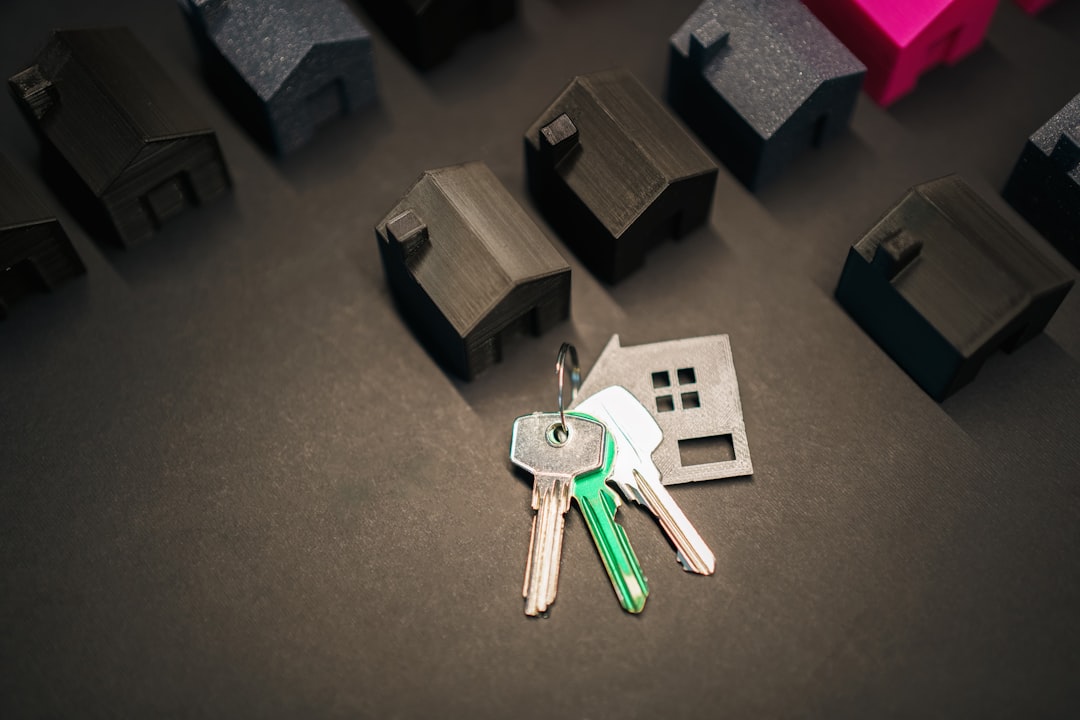
Why So Many People Want to Retire In Place
For a lot of people, home isnt just where you live. Its where you raised your kids. Its the backyard where dogs chased tennis balls and neighbors caught up over the fence. No one wants to give up all that history just to retire. Luckily, retirement planning without selling home is possible for way more people than you might think.
If the fear of having to move is keeping you up at night, youre not alone. Most retirees would rather stay put but worry about cash flow, medical bills, or outliving their savings. Good news: there are real ways to keep your home and retire comfortably if you plan ahead. Heres how.
Can You Really Afford to Stay Put?
What retiring in place actually costs
Staying in your home during retirement feels safe, but there are bills to pay. Add up mortgage (if you have one), property taxes, insurance, repairs, and utilities. Dont gloss over repairs because they sneak up on everyone. Then look at how your current incomeSocial Security, pensions, or side gigscompares to those costs.
- Mortgage payments (if any)
- Property taxes and insurance
- Maintenance (lawn, repairs, emergencies)
- Utilities and HOA fees
Keep home in retirement only if these numbers add up. If theres a gap, dont panic. There are workarounds; you just need to know your options.
Ways to Boost Retirement Income Without Selling Your House
This is where most people get creative. The goal? More retirement income solutions so you dont feel squeezed. Here are a few options:
- Home equity loan or line of credit: You borrow against your homes value, but you keep the house. Payments can be manageable if you plan well, but be carefulmiss a payment and you could lose your home.
- Reverse mortgage: Best for people over 62 who need steady income. The loan gets paid back when you move or pass away, not monthly. Some folks love it because theres no payment due right away, but fees can be high.
- Rent out a room or basement apartment: This can bring in decent monthly cash without too much hassle. If privacy matters, consider short-term rentals only part of the year.
- Get a roommate: Not for everyone, but splitting bills can make all the difference, especially if youre single.
Remember, every fix has trade-offs. Take your time, run the numbers, and talk to a financial planner before you dive in.
Home Equity: How Much Should You Tap?
Think of home equity like a giant piggy bank youve been filling for years. The question is: how much should you crack open?
Home equity options can be tempting, but draining your house dry is risky. Most experts say only use what you absolutely need to fill gaps in your budget or if theres an emergency. If you pull too much equity out, you risk having nothing left for future needsor leaving nothing for your kids if thats important to you.
Common mistakes with home equity
- Borrowing more than you can realistically pay back
- Not budgeting for extra interest or fees
- Underestimating how long youll need income
Rule of thumb: Use home equity as a back-up, not a main plan. It works best as a bridge when things get tight, not as your primary retirement fund.
Staying Flexible: Why Plans Change (And Thats OK)
Life happens. Roofs leak. Health takes a turn. Sometimes you have to adjust, even if you really want to stay put. Build flexibility into your retirement planning without selling home. That could mean downsizing later, renovating for accessibility, or even moving in with family if needed. The key is being honest with yourself about what you can handlein time, money, and stress.
Keep these things in mind:
- Have an emergency fund separate from your home equity
- Update your plan every year (stuff changes!)
- Talk to family about your wishes and realities early
Retrofitting Your Home For Aging
If youre planning to stay, make sure your house stays safe. This doesnt have to mean a major remodelsometimes its small changes that make the biggest difference.
- Add railings or grab bars in bathrooms
- Fix uneven steps or flooring
- Install better lighting and safer stairs
- Think about a first-floor bedroom if you have stairs
These updates can let you retire in place much longer and save on medical bills or big emergencies down the line.
Real Stories: How People Make It Work
Lets get real: plenty of people patch together their own retirement. Some rent out the garage and use that as grocery money, or pick up part-time work. One couple I know installed a basement apartment for a tenant in their 60s, and now their rental income pays for cruises and grandkid gifts. Another friend did a reverse mortgage and says its the only reason she was able to keep her family home.
Theres no one-size-fits-all here. Plans that work for one person might not work for you, and thats okay. The trick is to know whats possible and make choices that feel right for your situation.
Staying Independent Without Losing Sleep
Keeping your home gives you comfort and independence, but you dont want that freedom to turn into stress. The best financial planning for retirees puts peace of mind front and center. That means organizing your paperwork, knowing exactly what your monthly costs are, and not being afraid to ask for help when things get confusing. Theres no shame in talking to a pro or calling in a favor from family.
Lets Wrap This Up
You can retire in place without selling your homebut you need a plan. Add up your costs, consider your income streams, and know your home equity options. Be flexible, make your house work for you, and dont be afraid to ask for help. Taking a few action steps now can help you avoid panic later on. Youve worked hard for your home; with a little planning, you can enjoy it for years to come.
FAQs About Retirement Planning Without Selling Home
- Can I really retire if most of my money is tied up in my house?
Yes, but its tricky. If most of your wealth is in your home, youll need to use tools like reverse mortgages, home equity loans, or renting out space to turn that value into spendable cash. Its best to meet with a financial planner to find what fits. - Whats the risk of using a reverse mortgage?
The main risk is losing your home if you dont keep up with taxes, insurance, or home maintenance. You also wont leave the house to heirs unless they pay off the loan down the line. Read all the fine print before signing. - How do I keep my home safe as I age?
Start with small updates: grab bars, railings, better lights, and non-slip rugs. If you have stairs, think about moving your bedroom downstairs. Get an expert to walk through and spot hazards you might miss. - Will downsizing mess up my taxes?
If you eventually choose to downsize, most people wont owe tax on profits up to $250,000 ($500,000 for couples) because of the home sale exclusion. Keep records of your purchase price and improvements just in case. - Is it smarter to sell and rent in retirement?
For some, yes. Selling gives you cash and fewer responsibilitiesbut rent can go up over time, and you lose the memories tied to your old house. Think about what matters most: freedom, security, or staying put. - How much should I save for emergencies if I want to keep my home?
Aim for six months of total living expenses set aside if you can swing it, especially for surprise repairs or medical stuff. The more backup you have, the less likely youll have to make a rushed decision about your home.