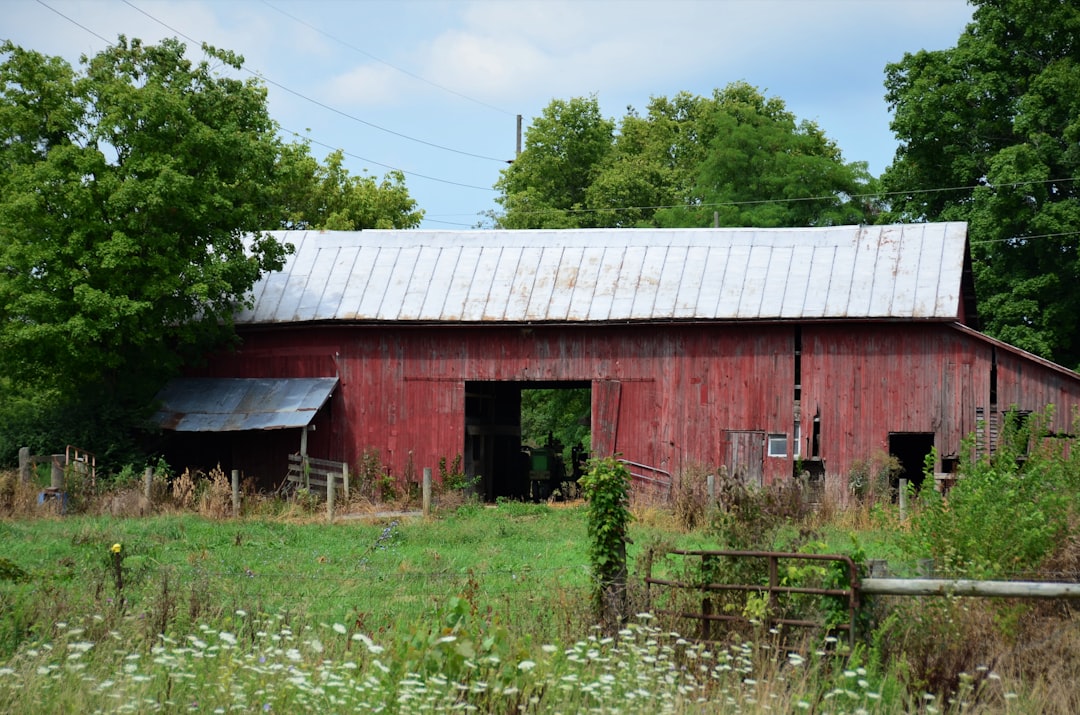
Owning a small farm isn't just a weekend dream. For a lot of people, it's about escaping the traffic, planting your own tomatoes, and maybe keeping a few chickens around. But heres the thing: most banks wont hand out cash just because you love the country. Getting a hobby farm loan can sound complicated, but it doesnt have to feel like wrestling a stubborn goat.
What is a hobby farm loan, anyway?
If you want land to grow veggies, raise a few animals, and maybe sell a dozen eggs at your local market, youre looking for a hobby farm loan. Its money you borrow to buy a rural property, usually under 100 acres, that generates a little income but isn't a full commercial farm. Lenders have their own rulessome want proof you'll make money; others dont care if you ever sell a single tomato.
- Hobby farm loans are for small, mostly part-time operations.
- You can use them to buy land, build buildings, or refinance your existing place.
- Every lender has their own idea of what counts as a "hobby farm." (Ask. Dont guess!)
Why do lenders make it so tricky?
Banks and credit unions talk in circles because hobby farms sit in a weird spot: not a house in town, not a commercial farm. That messes with their neat checklists. Some common hang-ups:
- The property is too bigor too small.
- Theres not enough reliable income from farming.
- Too many buildings, or not enough (like you want to live in a barn? They get nervous.)
When lenders are confused, they start saying "no" more often than "yes." The best move is to find someone who gets rural property loans or tell your local lender youve researched what you need.
What do you need to actually get approved?
1. Check your credit and savings
Before you start, pull your credit score. Most lenders want to see youve managed money pretty wellthink 680 or better. If you have more cash saved, youre less risky in their view. You might need 10-20% down, sometimes even more for small farm loans.
- Solid credit (ideally over 680, but asksome places flex)
- Decent savingsenough for the down payment and closing costs
- Proof of income pays the bills, whether from a job or the farm
2. Your farm plan (yes, even if its just a few chickens)
Most banks will ask how youll use the property. Dont panic; this isnt Shark Tank. A simple page explaining your plans is enough. Will you raise goats? Plant berries? Grow hay? Lenders love seeing efforteven if its your first shot.
3. The property matters (a lot)
If theres a house, outbuildings, and a bit of pasture, youre in luck. But some lenders freak out if the lands too rough, the house isnt livable, or theres no house at all. Properties with decent access and water (well or rural system) usually go through smoother.
- If theres no house, ask about land loanstheyre different from home loans.
- Old barns can help or hurtcheck what your lender thinks first.
Types of hobby farm financing (what are your options?)
Traditional banks and credit unions
Good for properties with nice houses and a little land. They might fund you if less than 10 acres is attachedor a bit more if youre lucky. Interest rates are usually pretty friendly if you meet all their farm loan requirements.
Farm Credit and rural lenders
These folks exist for people exactly like you. They know rural quirkslike weird fences or wells that still use old pumps. Application processes can take a while, but approvals come easier if you ask directly about hobby farms.
Government programs
- USDA loans: They have rural property loans aimed at helping people move out of cities. Income limits apply. The catch? Sometimes slow.
- FSA loans: Great for first-time buyersespecially if banks keep slamming the door.
Other routes
- Personal loanssmaller amounts, higher interest
- Sellers offering their own financing (not super common, but happens)
Shop around. One lender's "No way" is another's "Sure, lets do it."
Common mistakes (and how to dodge them)
- Looking at property before getting preapprovedwaste of time if you cant buy it!
- Not budgeting for fixesold barns, wells, and fences always need something
- Trying to fudge the farm plana lender would rather see modest plans than tall tales
- Ignoring property rules/zoningcheck what you can and cant do with the land before you fall in love with it
Slow down, make a checklist, and dont be afraid to ask dumb questions. Its your money on the line.
What does approval look like?
Once you submit your application, expect a lot of questions: about your income, the property, even your plans for next year. Be honest; it goes faster. Appraisals and inspections can drag out if the land is rough or hasnt sold in a while. It helps to be patient and keep all your paperwork close.
- Approval can take from a couple of weeks to a few months
- Extra hurdles if theres an older home or lots of land
- Have your farm plan and documents handyyoull use them more than you think
FAQ
- How big can my property be with a hobby farm loan?
Most lenders are fine with land between 5 and 100 acres for a hobby farm loan. If your property is bigger, you might need a true agricultural mortgage instead. Always ask upfront for a lender's cutoff size. - Can I get hobby farm financing with low credit?
Some lenders work with credit scores as low as 620, but you'll usually pay higher rates and need more money down. Improving your credit before applying will make the whole process smoother and cheaper. - Do I need farm experience to get approved?
No, you don't need experience! It helps if youve gardened or done some animal care, but lenders mostly want a clear plan, proof you can pay, and that you understand rural upkeep costs. - Are down payments higher for rural property loans?
Often, yes. Many lenders want 15-25% down because rural properties can take longer to sell if they have to repossess. Try to save as much as you can for your down paymentit shows dedication. - What if the property doesnt have a house?
You might need a land loan or a special program if theres no house. These can be tougher and sometimes need even more money down, but specialized rural lenders usually offer more options than big city banks. - Can I live on my hobby farm and rent it out?
You usually can live on and rent out parts of your property. But, tell your lender your plans so there are no surprises. Some loans have rules about rentals or using the property for business.
The dream of living on a hobby farm is closesimpler than it seems once you know the steps. Start with research, line up your paperwork, and reach out to lenders who understand rural life. One day soon, you could be drinking morning coffee while chickens scratch outside your window.