Ever stared at your credit score and wondered why it won't budge? You're not alone. Millions of people, credit newbies and seasoned adults alike, feel stuck in credit limbo. Whether you want a better shot at a new apartment, a lower interest rate, or the simple thrill of seeing that number rise, getting your credit score up isn't magic. It's about making smart moves, often small ones. Let's get honest: credit scores can be confusing, and no one teaches this in school. The good news? You don't need fancy tricks or hours of research. Just a few credit hacks can make a big difference, and some work faster than you'd expect. Ready to finally boost your credit score and feel in control? Here's what actually worksand what doesn't.
What Is Credit Score Improvement and Why Should You Care?
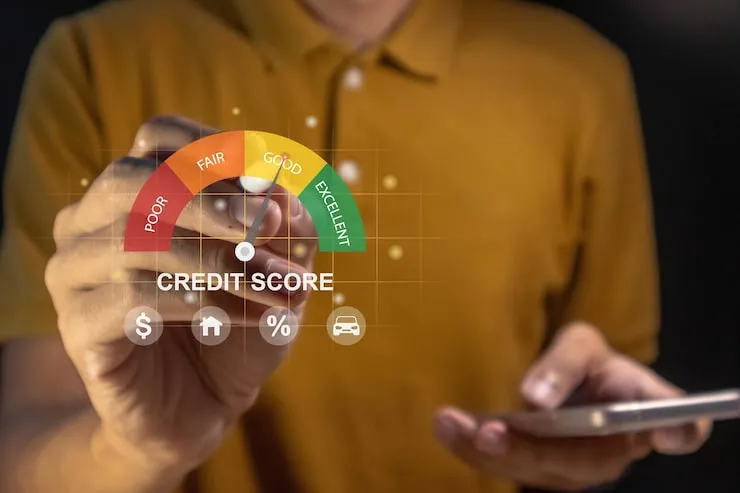
Credit score improvement is all about raising that little three-digit number lenders obsess over. It shows how likely you are to pay money back. Why care? Because a higher score means you can borrow money when you want, pay less in interest, and stress less about getting approved for things like cars, mortgages, and even cell phone plans.
- Lower rates: Good credit = lower loan interest.
- Easier approvals: Land apartments or jobs that check credit.
- Emergency cash: Qualify when you need it most.
If you don't focus on your credit, little mistakes (like missing a payment or maxing a card) can haunt you for years. The sooner you start, the stronger your financial future will be. Think of every small fix as a step up a ladderthe higher, the better your view.
Fastest Ways to Boost Your Credit Score
Quick wins can move your score in weeks, not years. Sound too good to be true? These work because they're proven, not secret. Here's how to start:
- Pay down credit card balances. Credit bureaus love it when you use less of your available credit (ideally under 30%).
- Ask for a higher credit limit. If your income's steady, call your issuer and request a bump (but don't spend more!).
- Set up automatic payments. Missing even one payment trashes your score. Autopay is your friend.
- Catch reporting errors. Grab a free copy of your credit report. Dispute anything wrongmistakes are more common than you think.
- Add your rent or utility payments. Some services report these to the bureaus, giving your score a healthy nudge.
The first time I set up autopay, I missed fewer payments, and my score crept upward in a couple of months. These are small, no-drama fixes, but the results add up.
Do Credit Hacks Actually Work?
Yes, but there's a catch. Not all "credit hacks" on social media are real, and some can hurt you worse than doing nothing (never pay someone who promises to "delete bad debt" for a fee). But smart credit hacks, like those above, work because they fix what lenders care aboutyour payment history, how much you owe, and how reliable you seem.
- Credit hacks aren't magic spells. They work when you stay consistent.
- Improvement happens over time. Quick results are possible, but patience is still part of the game.
Rule of thumb: If someone's hack sounds risky or too easy, it probably is. Stick to the basics, and your credit score improvement will feel a lot less stressful.
What Hurts Your Credit Score the Most?
If fast credit score improvement is your goal, here are the top things to avoid:
- Late payments. This is the #1 credit killer. Even one can do major damage.
- Maxing out cards. Using 90% of your limit (or even 50%) can drop your score.
- Opening lots of new accounts at once. Too many hard checks signal risk.
- Ignoring your report. Mistakes can drag your score for years if you don't check.
When I forgot about a recurring bill once, my score took a nosedive. It took months of good behavior to bounce back. Learn from others, avoid the pain.
How to Improve Your Credit Fast (Without Gimmicks)
Here's a fast action plan for credit score improvement:
- Make payments on time, every timeautopay removes the guesswork.
- Pay off small balances first if you can't tackle everything at once.
- Keep your oldest credit card open, even if you don't use it much.
- Don't apply for new cards unless you really need totoo many hard pulls can hurt.
- Dispute any errors on your credit reportit's your right, and you'd be surprised how often you find mistakes.
The trick isn't doing everything at once. Pick two things from the list and stick with them. Even tiny improvements add up, especially over six months or a year. The key is consistency, not some overnight miracle.
Hidden Credit Hacks Pros Swear By
Want to go beyond the basics?
- Become an authorized user. If a family member has great credit and a long history, ask if they'll add you to their card. Their good history can show up on your report.
- Use small, regular charges. Using a card for something like streaming or groceries, then paying it off right away, helps keep your account active and your utilization super low.
- Call lenders when you slip up. Life happens. If you miss a payment, calling and asking for a "goodwill adjustment" sometimes works, especially if you're usually on time.
- Bunch payments. Paying off a chunk of your card bill before the statement closes (not just by the due date) means the bureaus see a lower balance when they check.
These aren't instant fixes, but when you combine them with strong basics, you'll see progress and avoid common pitfalls.
How Long Does Credit Score Improvement Take?
This depends on your starting point and what changes you make. Most people can see a boost in 30-90 days by fixing small errors, paying down cards, and avoiding late payments. If your credit is really damaged, bigger jumps can take 1-2 yearsbut that's still worth it.
- Quick fixes (like correcting report errors or paying down big balances) can show up within a month or two.
- Major improvements (like rebuilding after missed payments) take patience and persistence.
Remember, the longer your good habits last, the faster your score improves in the future. Patience now pays off later.
Common Mistakes People Make Trying to Boost Credit
Everyone wants a quick win, but some mistakes actually set you back:
- Closing old cards. That history actually helps. Keep the card open (just stash it in a drawer).
- Applying for a bunch of new credit at once. Those hard inquiries add up fast.
- Thinking paying off a loan wipes your credit. Loans add mix to your historyyou want that variety.
- Falling for "fix your credit overnight" scams. If it sounds shady, steer clear.
Avoiding these mistakes can save a lot of time and stress on your journey to a better score.
FAQs About Credit Score Improvement
- How quickly can I raise my credit score?
Most people see a change in their credit score within 30 to 60 days after paying down credit cards or fixing errors. Every situation is different, but small steps add up fast if you keep at it. - What's the best way to boost credit score for beginners?
The best way to start is by making all your payments on time and keeping card balances low. Set up automatic payments and check your credit report for mistakes. These simple steps work for everyone, even if you're brand new to credit. - Does using credit hacks hurt my score?
Only risky or sketchy "hacks" can cause harm, like applying for too many cards or using unauthorized services.The safe hacks in this article help you, not hurt you, when used responsibly. - Can I increase my credit rating if I have no credit history?
Yes. Start by getting a secured card or becoming an authorized user on someone elses account. Pay it off every month, and you'll begin to build a strong history over time. - Is it bad to check my credit score often?
Checking your own score is fine and never hurts your rating. In fact, keeping an eye on it helps you catch errors or signs of identity theft early on. - How much can paying off a credit card boost my score?
It can raise your score by anywhere from 10 to 50 points, sometimes more. Lower balances tell lenders youre not maxed out and thats a big win for your report.
Getting serious about credit score improvement is one of the smartest financial moves you can make. It's not about being perfectit's about getting a little better, a little more often. Start building those habits now, and your future self will be glad you did.