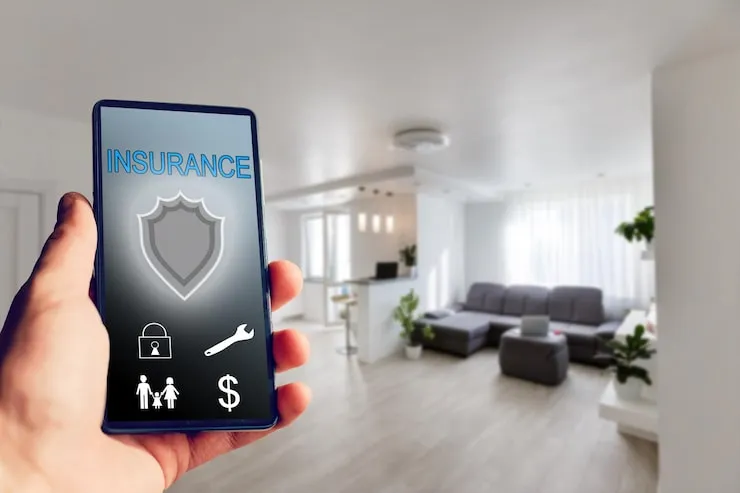
You probably hear a lot about smart homes—from voice assistants to fancy doorbells. But there’s one perk most people miss: smart home insurance benefits. If your house has some tech built in, it can do more than just make your life easier. It can shrink your insurance bill, help in emergencies, and solve problems before they turn into expensive nightmares. Here’s how it works, what you might save, and a few surprises most folks don’t know about.
What Are Smart Home Insurance Benefits, Anyway?
Smart home insurance benefits are special perks, discounts, or coverage improvements insurance companies give you for having devices like water sensors, smart locks, or connected smoke detectors. These gadgets spot trouble fast. When you prevent damage, your insurer has less to pay out—so a smarter home can mean a cheaper policy for you.
- Lower rates (sometimes 5% to 20% off)
- Extra protection on things like leaks or break-ins
- Priority or faster claims service by sharing device data
Think of it as a win-win: You get a safer, smarter home and pay less for insurance.
How Do Smart Home Insurance Savings Work?
Insurance companies love anything that reduces their risk. If you install smart devices that can catch fire, water, or theft problems early, there’s a better chance you’ll avoid big losses. As a thank you, many insurers offer discounts—the smart home insurance savings add up over time.
- Water sensors can alert you to leaks before a pipe floods your basement
- Video doorbells and smart locks can scare off thieves
- Smart smoke detectors give you—and your insurer—peace of mind
Some insurers will lower your cost automatically if you show proof of certain devices. With others, you’ll have to ask. Either way, it’s worth checking because the savings can pay for the tech in a few years.
What Counts as a Smart Home for Insurance?
Not every gadget counts. For insurance, the focus is on devices that help stop loss. Home automation insurance benefits usually depend on these:
- Smart smoke or carbon monoxide detectors
- Water leak sensors
- Smart home security systems (with alarms or video)
- Remote thermostat controls
Home theaters and robot vacuums don’t usually move the needle on savings. But almost everything that adds security or prevents disasters will count.
What Hidden Perks Come With Smart Home Discounts?
Most folks only think of the discount. But there are extra hidden benefits too. Some policies will offer special help, like sending a plumber if your water leak sensor goes off. Others might speed up your claim if your devices share the right info directly with them.
- Priority claims processing if you share device data
- Discounts on new connected gadgets bought through insurer partners
- Extra service options, like professional monitoring
This isn’t always spelled out, so it’s smart to ask your agent what comes with your smart home insurance perks.
Could Smart Home Insurance Make Things Harder?
There’s always a catch, right? Some people worry about privacy. Letting your insurer tap into device data can make claims faster, but you need to feel okay with sharing. Also, not every insurer has great discounts yet. Some will only give a tiny break or just recommend more devices instead of savings. And if your smart sensor fails, your insurer could push back on a claim, saying it was “preventable.” So, always keep your tech working and read the fine print.
Tips for Getting the Best Smart Home Discounts
- List the devices you already own when getting a quote
- Ask if your insurer has any partnership deals with device makers
- Check if you need professional installation for savings
- Set calendar reminders to test sensors and batteries
- Let your agent know when you upgrade to better devices
It’s not just about what you have—it’s about proving you use it and keep it working.
Home Automation Insurance: What’s Covered and What’s Not?
Home automation insurance means regular insurance gets a little smarter. If a water leak sensor alerts you to a drip and you catch it in time, you’re all set. But if you miss the alert or forget to replace batteries, your insurer could say you didn’t do your part.
- Most policies still cover regular risks (fire, theft, etc.)
- Some offer extra protection for smart devices themselves
- Claims may go smoother if you have device logs showing what happened
If a smart device fails, things get tricky. The company might send you to the device maker, not your homeowner’s insurance, for replacement. So always know what’s covered and check the details at least once a year.
Is Insurance for Smart Homes Worth the Upgrade?
Honestly, for most homeowners, smart home insurance is a no-brainer. The savings add up, and the peace of mind is real. Between the main discounts and the hidden perks, those sensors pay for themselves fast—especially if you avoid a big mess or break-in.
- Saves money now, protects more in the long run
- Lets your home work for you when you’re away
- Shows insurers you care about prevention and safety
The key is to use technology that fits your life. Start simple, see what you like, and let your insurer know.
FAQ: Your Smart Home Insurance Questions Answered
- Do all smart home gadgets lower my insurance?
Not all of them. Insurance companies care most about devices that stop fires, leaks, or break-ins. Think smoke detectors, water leak sensors, or security alarms. Cool gadgets like smart lights or speakers are fun, but they don’t usually get you a discount. - How much can I save with smart home insurance discounts?
Savings vary, but most people see anywhere from 5% to 20% off their home insurance bill if they have the right devices. The more you have (and proof you use them), the better your chances for bigger discounts. - What do I need to show my insurer to get a smart home discount?
You usually need proof of purchase or installation for your devices. Some companies also want proof they work, like monthly test logs. It’s smart to keep receipts and take photos just in case. - If a smart device fails, will my insurance still cover me?
It depends. If you did your part—kept the device working and checked batteries—insurance should still help. If you ignored alerts or never replaced batteries, they may ask questions. Always keep your devices active and tested. - Can renters get smart home insurance benefits?
Yes, renters can get some benefits, especially if they install plug-and-play devices like smart smoke detectors or water sensors. Ask your rental insurance provider if you can get discounts for having these devices in your apartment. - Is connected home insurance different from regular home insurance?
It’s regular insurance plus smart home perks. You’ll get the same protection as before—against fire, theft, or other disasters—but with extra features like discounts and faster claims if your devices help catch problems early.
Smart home insurance benefits are more than just another tech buzzword. They save money, help prevent disasters, and offer peace of mind. The secret? Start small, keep your devices working, and always tell your insurer what you’ve added. The savings—and security—will follow you.