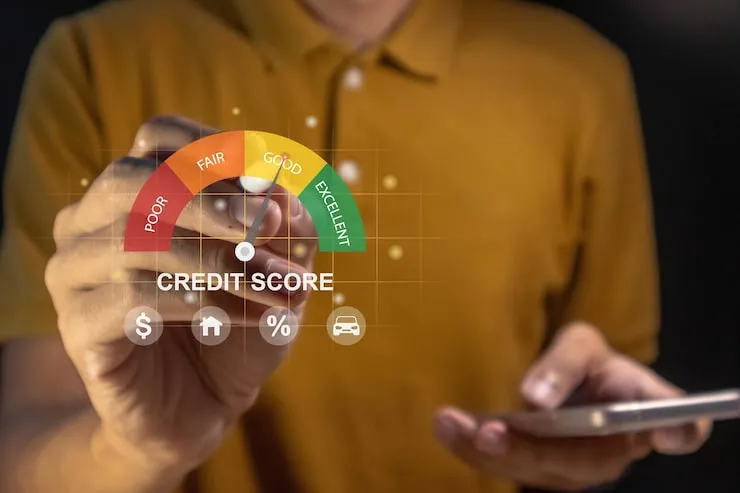
If you've ever tried to get a loan, credit card, or even a new phone plan, you know your credit score matters. A low score can shut doors fast. Most people think it takes ages (and maybe some luck) to fix a bad score. Good news: that's not true. You can improve credit score fastand you don't need to pay anyone to do it. Here are five steps you can start for free, right now.
Step 1: Check Your Credit Report the Smart Way
Your credit report is like your financial report card. But, it's not perfect. Mistakes sneak in more often than you'd guesswrong names, accounts you never opened, payments marked late by accident. These errors can drag your score down without you even knowing.
- Request your free report from all three bureaus (once a year is free)
- Look for accounts that aren't yours, wrong balances, or missed payments you know you made
- Flag anything fishywrite it down
Why bother? Because fixing a mistake can quickly boost credit quickly, sometimes by dozens of points. Skip this, and you could be fighting an invisible enemy.
Step 2: Dispute Errors and Get Them Removed
Found a mistake? Good eye. Now, let the bureaus know. It's their job to fix it, but you have to ask. Disputing errors doesn't cost anything, and you can do it online or by mail.
- Gather proof: bank statements, emails, whatever shows the truth
- Go to each bureaus website (Experian, Equifax, TransUnion), and follow their dispute process
- Be clear about whats wrong and attach your evidence
You might need patiencesometimes it takes a month or so. But getting errors erased is one of the fastest ways to raise credit rating.
Step 3: Pay Down Balances (Even a Little Bit)
The less you owe compared to your credit limit, the better. This ratio is called credit utilization. High balances make lenders nervous, even if you pay on time.
- Aim to keep each card under 30% of its limitlower is even better
- If you can't pay off a card, try to pay enough to knock it below that 30% number
- Spread payments outdon't max one card and leave others empty
Even a small payment can help you fix credit report issues and may move your score in the right direction in just a month or two.
Step 4: Pay Everything On TimeNo Exceptions
Late payments are the credit score killer. One slip can haunt you for years. If you do nothing else, do this: never miss a payment from now on.
- Set reminders on your phones calendar
- Set up auto-pay if you can (even minimum payments count as on time)
- If you know youre going to be late, call the company before it happenssometimes theyll work with you
Missed a payment by accident? Many lenders forgive a single mistakeask them if theyll erase the mark. This alone can repair credit score faster than you think.
Step 5: Leave Old Accounts Open (But Use Them Right)
It feels good to close old or paid-off cards, but this can actually hurt your score. Older, unused accounts add to your credit age and your available limits. Both help your score.
- Dont close old cards unless they have fees you cant afford
- Use each card for a small purchase every few months, then pay it offjust to keep it active
More available credit with a long history shows lenders you know how to handle money. Thats what they want to see.
What Can Go Wrong?
This all sounds simple, but there are tripwires. You might dispute too many accounts, which could slow down your fixes. Paying off the wrong card first may not help as much as you expect. Auto-pay might fail if your account runs dry. Keep an eye on everything. And remember, progress is progresseven if it's slow at first.
FAQ: Quick Answers About Raising Your Credit Fast
- How fast can I improve my credit score?
That depends on whats hurting your score. Fixing errors or paying down a high card balance can sometimes boost your score in 30 days. But if you have missed payments or collections, it can take a bit longer to see big changes. - Is it better to pay off one card or split payments?
It's usually best to lower your balance on any maxed out card first. But if you can get all your cards under 30% of their limits, thats even better. The goal is to show youre not maxed out anywhere. - Does checking my credit score hurt my rating?
No, checking your own score is a soft pull and wont lower your score. What hurts is when you apply for new credit and the lender checks your report, which is called a hard inquiry. - Should I close credit cards Im not using?
Usually, no. Keeping old cards open can help your credit age and keep your total available credit higher, which both help your score. If a card charges a big fee, closing it might make sense. - Can I fix my credit report myself, or do I need to pay a company?
You can fix your credit report yourself for free. The same steps companies use are what you can do on your own. Dont pay someone unless you dont have the time or confidence to do it yourself. - How do late payments affect my score?
Even one late payment can hurt your score a lot, especially if your credit was good before. The longer you pay everything on time after, the less it will matter over time.
Improving your credit isn't magic, but it's not rocket science either. Start with these free steps, stay at it, and you'll see results that open doors down the line.