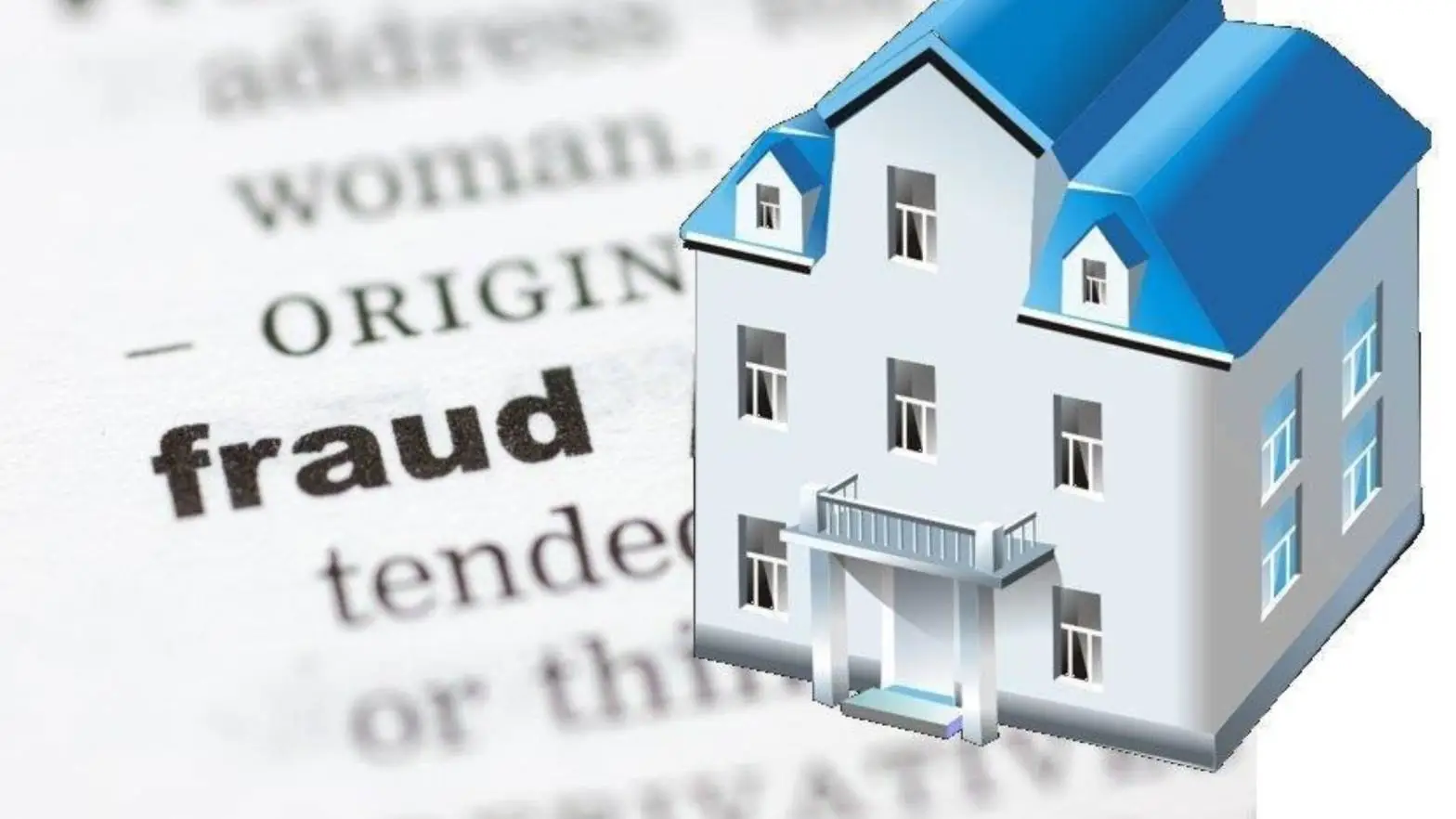
Real estate fraud often hides in plain sight. Sellers might show you a plot that looks perfect, but the papers are forged. Or a builder promises a fancy apartment, takes your cash, and disappears. In crowded cities, agents push deals too fast, skipping checks. I've seen friends lose lakhs because they trusted a "hot tip" without digging deeper.
One big trick is the "double-selling" scam. Crooks sell the same land to two buyers using fake documents. Another is fake approvals—papers that look official but aren't. Always pause and question. Rushed deals scream danger. Talk to neighbors or past buyers if you can. Spot these early, and you're ahead.
Key Takeaway: Knowing the tricks helps you say no to bad deals fast.
Verify Property Documents Thoroughly
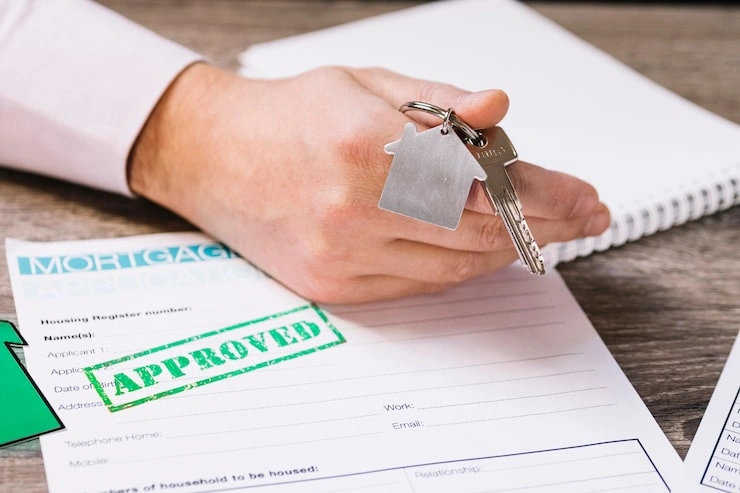
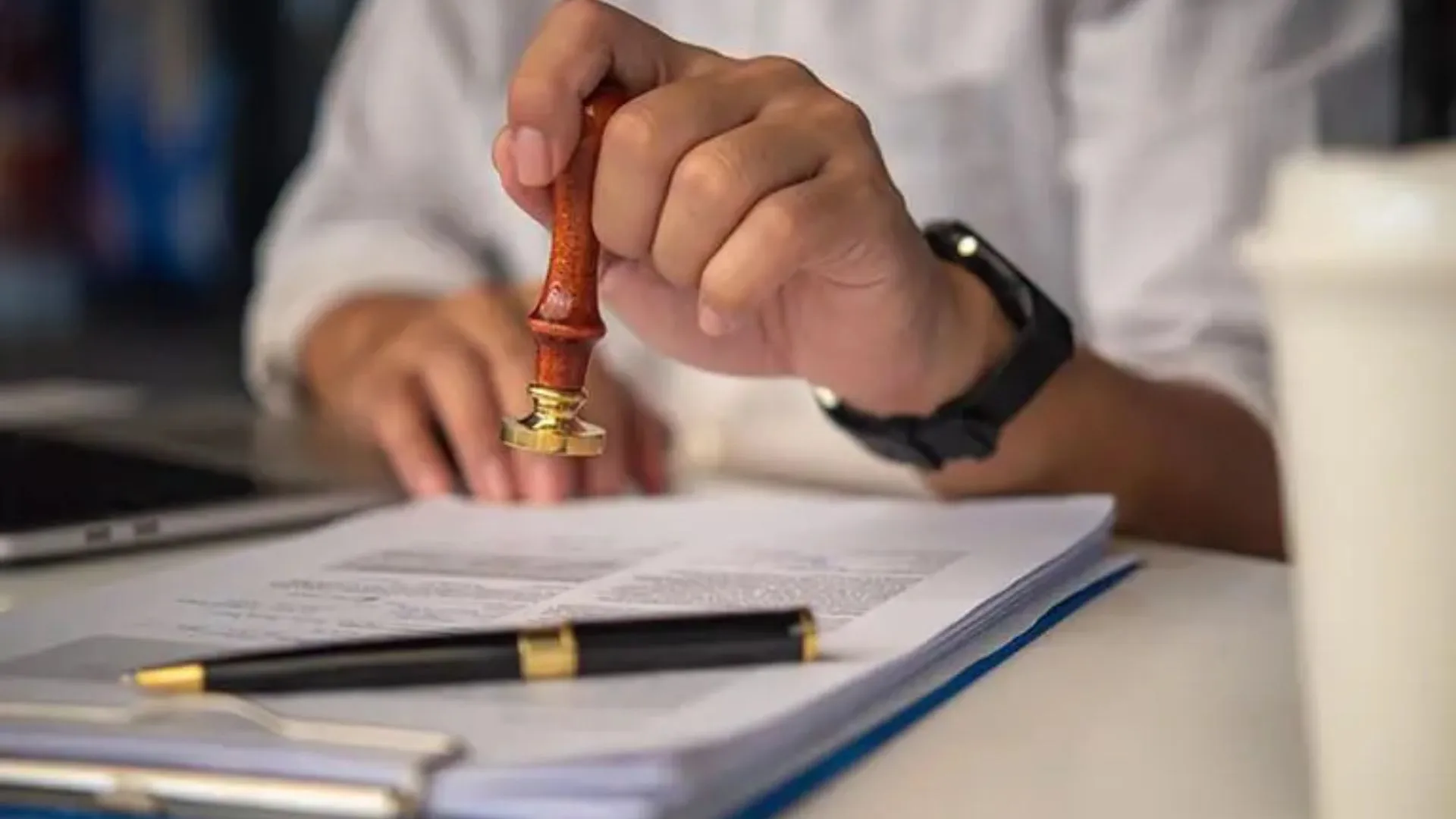
Papers are your first shield against fraud. Start with the title deed. Check if it's clear—no loans or disputes hanging over it. Get it from the land registry office yourself. Don't trust copies from the seller. Look for the chain of ownership—how the land passed from one owner to the next. Gaps mean trouble.
Next, encumbrance certificate. This shows if the property has debts or legal fights. It must be recent, not older than six months. Then, approved plans from local authorities. Without them, the build could get torn down. Hire a local lawyer for this—costs little but saves a lot. I once helped a cousin skip a scam by spotting a forged mutation entry. Double-check everything.
Key Takeaway: Solid documents prove the property is yours to buy worry-free.
Read Also: Real Estate Legal Tips For Buyers
Work with RERA-Registered Projects Only
RERA is your best friend in this game. It forces builders to register projects and share real details online. Always check the RERA website for the project ID. See completion dates, buyer complaints, and money trails. Unregistered projects? Walk away—they're high-risk for delays or fraud.
Registered ones must give quarterly updates and fix issues fast. Ask for the allotment letter and agreement copy. It spells out your rights. If the builder dodges RERA talk, that's a red flag. Many scams vanish when buyers demand this. Stick to it, and you cut fraud risk by half. My neighbor bought safe because she checked RERA first—her building finished on time.
Key Takeaway: RERA registration means rules are followed, keeping fraud at bay.
Spot Red Flags in Agents and Builders
Shady agents love pressure. They say, "Act now or lose it!" Good ones give time to check. Watch for demands of full payment upfront or cash only—no bank trail. Builders with no office or website? Suspicious. Visit the site unannounced—empty plots or ghost workers mean lies.
-
Pushy sales with no paperwork ready.
-
Promises of "government perks" that sound too good.
-
No clear builder history or references.
Fake reviews online are common too. Search buyer forums for real stories. Once, a friend ignored a builder's "guaranteed returns" pitch—it was a Ponzi trap. Trust your gut. If it feels off, it probably is.
Key Takeaway: Red flags are warnings—ignore them at your own cost.
Do Background Checks on Sellers
Never buy blind. Dig into the seller's past. For individuals, check ID proofs like Aadhaar or PAN—match them everywhere. For companies, scan MCA records for directors and debts. Google names with "scam" or "fraud"—news pops up fast.
Visit the revenue office for land records. Khata certificate shows true ownership. Talk to locals—gossip reveals disputes. Hire a detective if the deal's big; it's worth it. I skipped a "bargain" plot after neighbors said the seller owed banks. Background work uncovers lies before you sign.
Use these steps:
-
Cross-check IDs and addresses.
-
Review court cases online.
-
Get title search from experts.
Key Takeaway: Clean seller history builds trust for a smooth buy.
Use Safe Payment Methods
Cash is a fraud magnet—avoid it. Use bank transfers or cheques. They leave records for police if needed. Pay in stages: 10% booking, rest on possession or registry. Get receipts for every rupee.
Demand a tripartite agreement—you, builder, and bank. It locks funds till work's done. For resale, escrow accounts hold money till papers clear. Never release full amount early. A relative lost big to a builder who bolted with advance cash. Smart payments protect you. Insist on it, no excuses.
Key Takeaway: Tracked payments stop thieves from running with your money.
Involve Lawyers and Experts Early
Don't go solo. A property lawyer spots fakes you miss. They check legality, draft agreements, and join registry. Pick one with local experience—fees are low, like 0.5-1% of deal value. Surveyors measure land right, ensuring no encroachments. Title experts clear doubts fully. Pay them upfront; they're your team. In one case, my uncle's lawyer found a hidden lien—saved lakhs. Experts add layers of safety. Start with them, and fraud loses its grip.
Key Takeaway: Pros catch what you can't, making your buy bulletproof.
You May Also Like: Documents Required For Buying Property In India
Stay Informed and Report Suspicious Deals
Knowledge beats scams. Follow news on land grabs or builder busts. Join buyer groups online for tips. If something smells wrong, report to police or RERA first. Don't wait—early action helps others too. Keep all docs safe digitally. After buying, update records fast. Educate family; fraud hits everyone. Staying alert keeps the market honest. You've got the tools now—use them.
Key Takeaway: Reporting and learning keep you and your community safe.
Frequently Asked Questions
1. What is the first step in how to avoid real estate fraud in India?
Start by verifying documents like title deeds and encumbrance certificates at government offices. This stops 80% of basic scams right away.
2. Is RERA enough protection against fraud?
No, but it's key. Combine it with lawyer checks and site visits for full safety. Unregistered projects are fraud hotspots.
3. How much does hiring a lawyer cost?
Usually 0.5-1% of property value, or a flat fee of 10,000-50,000 rupees. Cheap insurance against big losses.
4. What if I already paid and suspect fraud?
Gather all proofs, file with police and RERA immediately. Courts can freeze assets—act fast for recovery.
5. Can I trust online property portals completely?
Not fully. Use them for leads, but always verify offline. Many list fake ads from scammers.