Buying a home is one of the biggest financial decisions most people make. And one of the first questions that comes up is whether to buy a ready to move property or go for one that is still under construction. Both options have their own set of advantages and drawbacks. The right choice depends on your personal situation, financial goals, and how much risk you are willing to ready to move vs under construction property.
This article breaks down everything you need to know about both types of properties. It covers the costs, the risks, tax implications, and who each option works best for. By the end, you will have a clear picture of which path suits you better.
What is a Ready to Move Property?

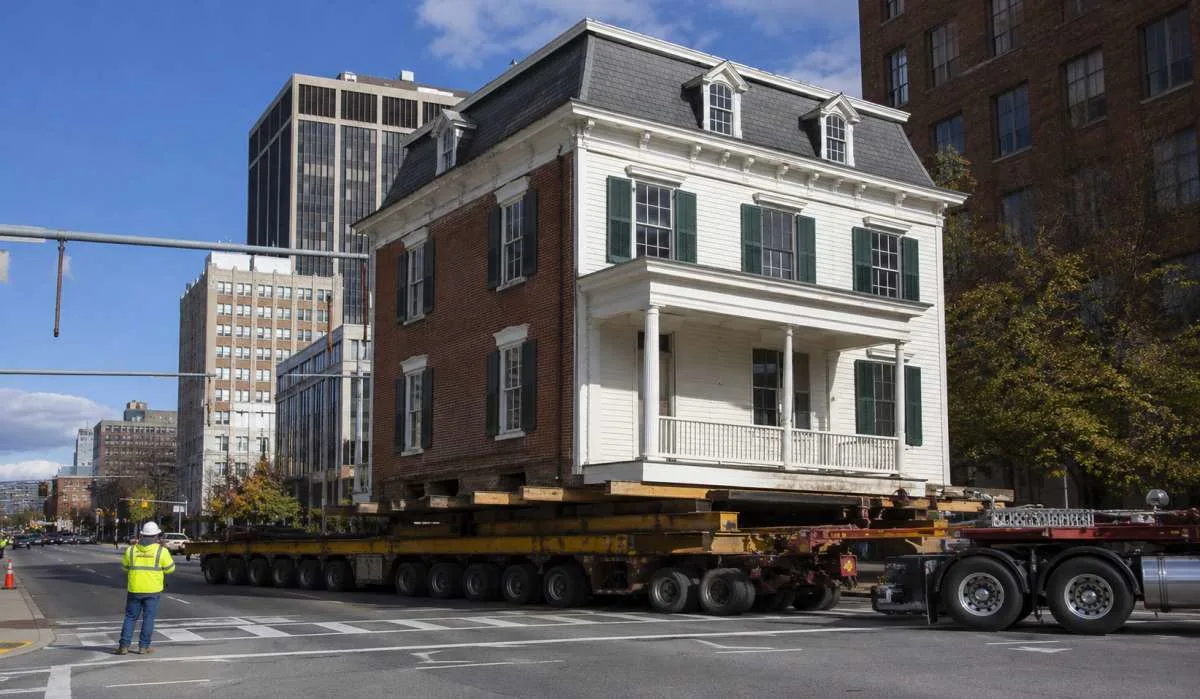
A ready to move property is exactly what it sounds like. The building is fully constructed and available for you to move in right away. You get the keys and can start living there or renting it out immediately .
When you visit a ready to move flat, you see exactly what you are getting. The layout, the finishing, the view from the balcony, the quality of construction. Everything is there for you to inspect.
Pros of Ready to Move Properties
Immediate possession
This is the biggest advantage. If you are paying rent somewhere, you can stop that expense as soon as you move in. If you are relocating for a job or need a place urgently, this option saves you from temporary living arrangements .
No construction delays
Under construction projects can get delayed by years. With a ready home, there is no waiting period. The uncertainty is gone.
You can inspect everything
You can check the quality of the construction before you pay. You can see if the fittings are good, if the walls are properly done, if there is enough natural light. This transparency reduces the chances of unpleasant surprises after you buy .
No GST
For ready to move properties that have an Occupancy Certificate (OC), there is no GST to pay. This can save you a significant amount of money .
Cons of Ready to Move Properties
Higher cost
Ready homes are usually priced higher than under construction properties in the same area. You pay a premium for the certainty and convenience .
Limited customization
You cannot change the layout or pick different finishing materials. The unit is already built. If you want a different floor plan or nicer tiles, you have to look for another property .
Lower appreciation potential
In well-developed areas, ready properties may not see as much price growth as a property in a developing area over the same period .
What is an Under Construction Property?
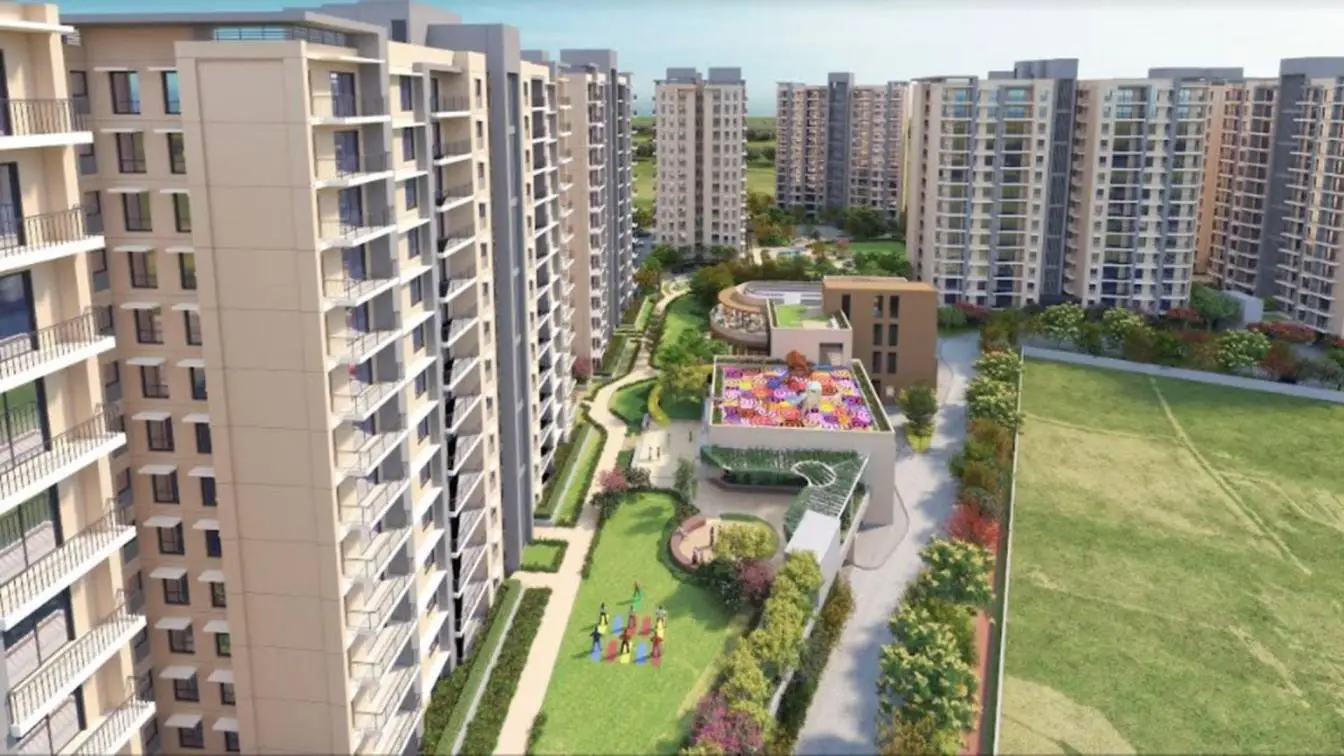
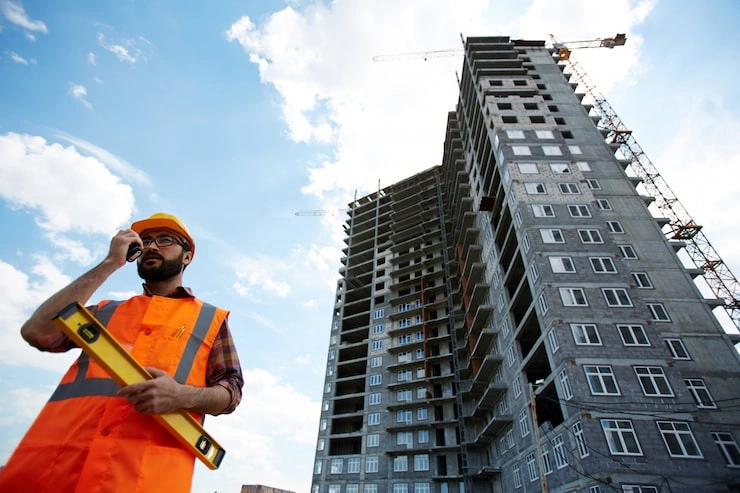
An under construction property is a home that is still being built. You book it now and take possession at a future date, sometimes two to four years later .
When you buy at this stage, you are essentially buying a promise from the developer to deliver a home that meets your expectations.
Pros of Under Construction Properties
Lower entry price
Under construction properties cost less than ready properties. This makes them more accessible if you have a tight budget .
Flexible payment plans
Many developers offer payment plans linked to construction milestones. You pay a certain amount when the foundation is laid, another when the building reaches a certain floor, and so on. This can be easier on your wallet than paying a large sum all at once .
Higher appreciation potential
If the property is in a developing area with good infrastructure projects coming up, its value may go up significantly by the time it is completed .
Customization options
Depending on how early you book, you may be able to choose your floor, the direction of the flat, and even some interior finishes. This personalization is not possible in a ready flat .
Cons of Under Construction Properties
Risk of project delays
Even with regulations like RERA, delays happen. Builders sometimes run into funding issues or face regulatory hurdles. Your possession date can get pushed back, sometimes by years .
You cannot inspect the final product
You rely on the developer's reputation and past projects. The quality may not match what was promised. You only find out when you get possession .
GST is applicable
Under construction properties attract GST. The rate is 5% for regular housing and 1% for affordable housing. This adds to your overall cost .
Risk of developer default
If the developer faces financial trouble, the project could get stuck. You might end up paying for a home that is not completed. Checking the builder's track record is important before you commit .
Key Differences at a Glance
This table gives you a quick overview of how the two options compare.
| Feature | Ready to Move | Under Construction |
|---|---|---|
| Possession | Immediate | Future date, subject to delays |
| Price | Higher | Lower |
| Payment | Large upfront payment | Staggered payments |
| GST | Not applicable | 5% or 1% applicable |
| Customization | Very limited | Possible |
| Risk | Low | Moderate to high |
| Inspection | Possible before buying | Not possible |
Tax Implications for Both Options
Tax benefits differ significantly between ready to move and under construction properties. Understanding this can help you plan your finances better.
Ready to Move Properties
GST exemption
No GST is applicable if the property has an Occupancy Certificate .
Tax deductions
You can claim tax deductions on your home loan interest under Section 24(b) of the Income Tax Act. The maximum is Rs 2 lakh per year. You also get deductions on the principal repayment under Section 80C, up to Rs 1.5 lakh per year. These benefits are available immediately after you get possession .
Under Construction Properties
GST payment
GST is applicable at the time of purchase.
Tax deductions
For under construction properties, you cannot claim tax deductions on the interest paid during the construction period. The interest can be claimed only after you get possession. And this deduction is spread over five equal installments. The principal repayment deduction is also available only after possession .
Who Should Choose Which Option?

The right choice depends on who you are and what you need.
Choose Ready to Move If
You need a home urgently
If you are currently paying rent and want to stop that expense, a ready home is the answer. You can move in immediately.
You have a low risk tolerance
If you do not want to worry about delays, developer defaults, or changes in the final product, choose a ready property. You see what you get.
You want rental income quickly
If you are an investor looking to earn rent right away, a ready home starts generating income from day one .
Choose Under Construction If
You have a tight budget
If you cannot afford a ready home in the area you want, under construction properties offer a more affordable entry point.
You can wait
If you are not in a hurry to move and can wait for a few years, an under construction property can give you better value.
You want higher returns
If you are willing to take some risk for potentially better appreciation, under construction properties in developing areas can be a good bet .
You want customization
If having a specific floor plan or better finishing materials matters to you, buying early allows for some level of ready to move vs under construction property.
Checklist Before You Decide
Before you make your choice, here are some things you must check.
For Both Property Types
RERA registration
Check if the project is registered with the Real Estate Regulatory Authority (RERA). This is a must. It gives you some legal protection .
Title clearance
Make sure the property has a clear title. There should be no legal disputes.
Builder reputation
Research the builder's past projects. Check if they delivered on time. Read reviews from previous buyers.
For Under Construction Properties
Track record of timely delivery
This is the most important factor. A builder with a history of delays is a red flag.
Financial health
Check if the builder has ongoing projects and if they are funded properly.
Understand the payment schedule
See when you need to pay and what happens if you miss a payment.
Frequently Asked Questions
Is GST applicable on ready to move properties?
No, ready to move properties with an Occupancy Certificate are exempt from GST .
Can I get a home loan for both types?
Yes, banks offer home loans for both ready and under construction properties. However, the loan for an under construction property is disbursed in stages based on construction progress .
What is the biggest risk with an under construction property?
The biggest risk is project delays or the developer not being able to complete the project. This can cause financial and emotional stress .
Which option is better for investment?
If you want quick rental income, a ready property is better. If you can wait and want capital appreciation, an under construction property in a growing area may offer better returns .
What is an Occupancy Certificate?
An Occupancy Certificate is a document issued by the municipal authority that says a building is fit for living. It is required before anyone can move in.
Conclusion
Choosing between a ready to move and an under construction property comes down to your personal situation. There is no single right answer for everyone. If you value safety, certainty, and immediate use, a ready to move property is the better choice. The extra cost you pay gives you peace of mind.
If you have time on your side, a tighter budget, and are willing to take some risk, an under construction property can offer better long-term value. But you must do your homework. Check the builder's track record, the project's RERA status, and the development plans for the area.