If you love pasta, dream of rolling out fresh dough, and secretly hope to master pizza that's better than your local spot, Tuscany cooking classes are your ticket. Plenty of people think Italian food just means spaghetti and red sauce, but there's way more happening in those old villages and rolling hills. Want to learn from chefs who grew up with recipes passed down through generations? Or spend your mornings buying veggies at a real Italian market? Here's what actually happens when you sign up for a cooking class in the heart of Tuscanyand how it can turn your next vacation into something way tastier.
Why Are Tuscany Cooking Classes So Popular?
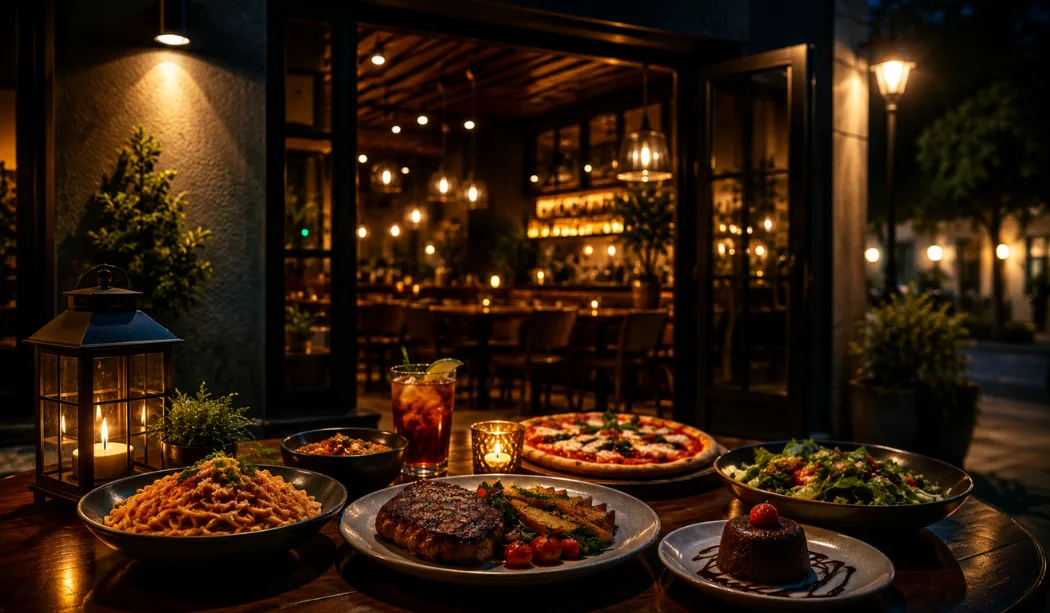
Tuscany isn't just a wine regionit's where some of the world's favorite Italian dishes come from. Locals treat food like art, and every meal feels like a celebration. So, when you join Tuscany cooking classes, you're diving right into that lifestyle. Expect simple recipes made from the best ingredients: ripe tomatoes, super-fresh olive oil, bread that's still warm, and oodles of cheese.
- Meet locals who'll show you family tricks (grandma-approved!)
- Try hands-on Italian cooking coursesno pretending, you actually make the food
- Taste the difference between store-bought and homemade sauces
- Eat with your cooking crew after class (the best part, honestly)
The real joy? You get to ask all the "Why did you do that?" questions in real time and try again if you mess up. In other words: you're not watching someone cook; you're doing it yourself.
What Happens at a Real Tuscan Cooking Class?
Every class looks a little different, but here's the usual game plan:
- Start at a local market (so you can see what Italians actually buy)
- Head to a farmhouse or kitchen with your ingredients
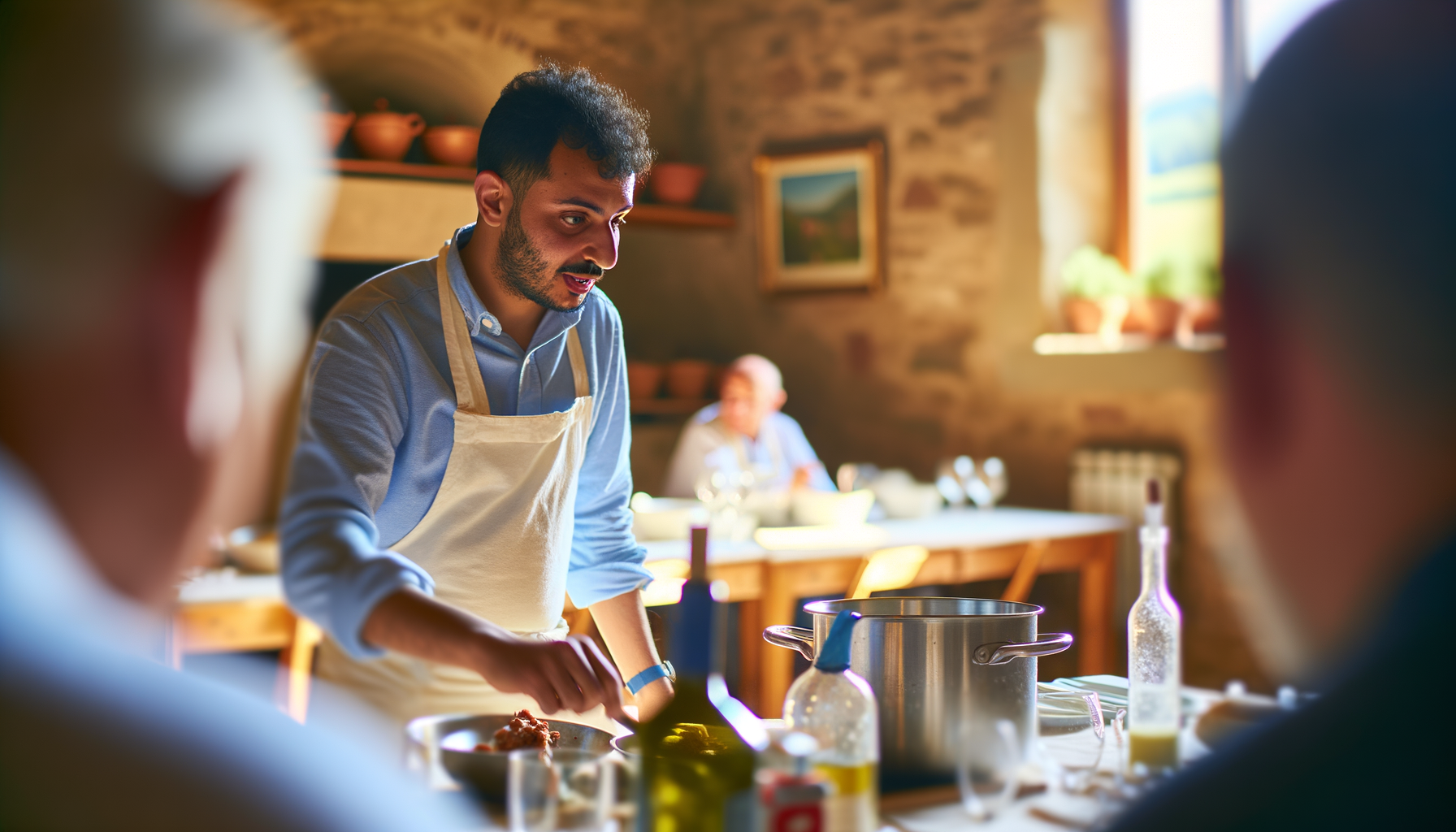
- Make pasta from scratch (everyone gets floury)
- Prep sauces, meats, and classic side dishes
- Pair what you cook with local wine
- Eat, laugh, and honestlyprobably want a nap
You might knead bread dough, shape gnocchi, or learn why Tuscan cuisine classes always use a pinch of salt the way nonna did. Youll make mistakes (everyone does) but thats half the fun. Forgot to salt the water? Burn the garlic? Someone always does on their first try.
What Should You Know Before Booking?
Its tempting to dive right in, but a little prep helps:
- Check the group size: Small groups mean more hands-on time
- Look at the menu: Some places focus on pasta, others go big with meats or desserts
- Ask about language: Many classes are in English, but not all
- See if the class includes a market trip (its worth it)
- Ask for allergy options if needed
One tip from experience: Dont eat a heavy breakfast before class. Theres a LOT of tasting.
Is It Worth the Money?
Short answer? Yesif you actually want to cook and not just watch. Classes can be anywhere from a couple hours to a full day or even a whole week if youre eyeing those Italy cooking vacations. Sometimes theyre pricier than a regular meal, but youre paying for what you learn (plus the stories from your teacher).
Its not just about food either. Youll meet people from everywhere, swap kitchen horror stories, and realize even seasoned home cooks forget to turn down the heat sometimes. And at the end, you leave with recipes you can brag aboutor mess upback home.
How Do Tuscany Cooking Classes Compare to Other Italian Cooking Courses?
Italy is packed with great food spots, but Tuscany hits different. The focus here is rustic, seasonal, and all about whats growing nearby. In Rome, you might make carbonara. Naples? Pizza. But Tuscany cooking classes zoom in on hearty soups, fresh breads, and handmade pasta. Most culinary classes in Italy will show you something new, but in Tuscany, theres this extra layer: its slow, relaxed, even a little messy, but always delicious.
- Tuscan cuisine classes are obsessed with olive oiltaste how different it is!
- Less-fancy, more "this is what we cook at home" vibes
- No pressure for perfection. Slightly lopsided ravioli? Join the club.
If you want picture-perfect plates, try a formal school. If you want heart, laughter, and tablefuls of food, Tuscanys the way to go.
What Can Go Wrongand How to Dodge It
Every experience has its bumps. Heres what trips people up in cooking classes in Tuscany:
- Overbooking in tourist seasonbook early if you can
- Thinking youll magically become a master chef overnight (spoiler: you wont, but youll get better)
- Worrying too much about getting things "right". Its about fun, not stress.
- Forgetting to double check what the class includes (some skip wine, some dont provide aprons)
- Jetlag! Youll need energy, so schedule after a good nights sleep
The biggest mistake? Not asking questions. Most teachers love sharing family secretsdont be shy.
Making the Most of Your Italian Cooking Adventure
You want to come home from Italy with more than just photos. Heres how to squeeze every drop out of your culinary classes in Italy:
- Take tons of notes (or quick phone picsnobody minds)
- Connect with other classmates; youll swap stories (and maybe recipes) for life
- Bring back a local ingredient or two, if customs allow
- Dont try to memorize everythingfocus on one or two recipes you love
- Celebrate your flops. Some of the best stories start with a disaster in the kitchen
If you care about coming home and actually making these dishes, recreate them soon after your trip. Your brain (and tastebuds) will remember better.
Ready to Try a Tuscany Cooking Class?
Theres nothing quite like learning to cook Italian food where it started. Whether you join a morning class in Florence, spend a week on a countryside estate, or squeeze in a quick tastings class on your next trip, youll pick up more than recipes. Food brings people together. In Tuscany, it turns strangers into friends and dinner into an experience youll talk about for years.
So pack your stretchy pants, sign up early, and get ready to cook, eat, and laugh like the locals. Your inner chef (and every future dinner guest) will thank you.
FAQs about Tuscany Cooking Classes and Italian Food Adventures
- Q: Are cooking classes in Tuscany beginner-friendly?
A: Absolutely. Most classes are designed for all levels, even if you've never boiled water before. Teachers walk you through every step, and making mistakes is part of the fun. - Q: How long do most Italian cooking courses in Tuscany last?
A: Most run for half a day, but some are shorter (just a couple of hours) or last a full day. A few offer week-long experiences for real foodies looking for deep dives. - Q: Will I learn to cook more than just pasta?
A: Yes. While making pasta is a highlight, you'll usually try your hand at sauces, bread, desserts, or even local meat dishes. Each class has a slightly different menu. - Q: What should I bring to a Tuscan cuisine class?
A: Wear comfy clothes and shoes you dont mind getting a bit messy. Most classes provide aprons and all gear, but its always smart to ask in advance. - Q: Is there much difference between culinary classes in Italy and those back home?
A: The recipes might look similar, but being in Tuscany means using super-fresh, local ingredients and sharing the experience with local teachers. That makes all the difference for the taste and fun. - Q: Can I take a Tuscany cooking class if I have food allergies or special diets?
A: Yes, but let the teacher know when you book. Many cookig schools can tweak recipes or suggest alternatives for gluten-free, dairy-free, or vegetarian diets.