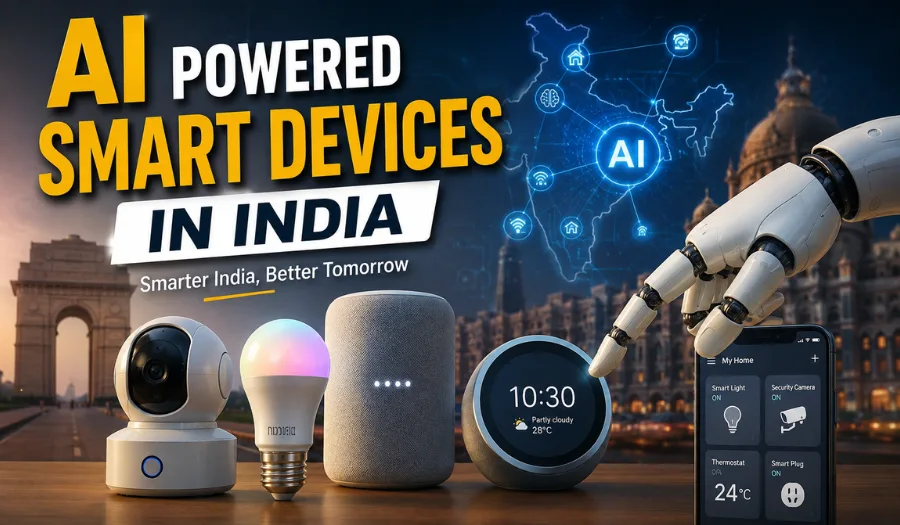
Your phone tells you its about to rain just as your windows close themselves. The coffee machine starts brewing when your alarm rings, and lights dim when its movie nightwithout you even asking. These aren't scenes from a sci-fi movie. This is where home automation trends are heading. If youre wondering if all this tech is too much or totally worth it, you're in the right spot. Lets look at whats coming, what you should watch out for, and how you can get ready for the future of smart living.
What Counts as Home Automation (And Why Should You Care)?
Home automation means using technology to control things like lights, temperature, or security gadgets without always having to press a button. It matters because it makes life easier, saves energy, and can even keep your home safer. For a lot of people, its about having more time and less stress. One friend set up his house to lock the doors and switch off electronics when he yells, 'Goodnight!' Pretty handy if you always forget the lights.
- Smart thermostats that learn your routine
- Speakers that act as assistants (yes, they can play your favorite playlist or set reminders)
- Security cameras you can check while on vacation
Bigger homes, renters, apartmentseveryone can get in on the action. Starting small is fine, too. No tech wizardry required.
Which Home Automation Trends Are Blowing Up?
There are loads of new things happening in smart home technology. Some catch on, others fade fast. Heres whats sticking aroundand why people love them:
- Voice control everywhere: No more fumbling for switches. Just say what you want.
- Smart home systems that work together: Lights, locks, and speakers all talk to each other.
- Energy-saving tech: Devices monitor when youre home or away and adjust automatically.
- DIY security: You can set up cameras, alarms, and sensors on your own. Skip the pricey monthly bills.
- Personalized automations: Systems that change based on your habits (like lower lights for reading after 9pm).
But its not just about being fancy. The smartest homes are smart because they work for real life.
Whats the Hottest New Stuff in Future Home Automation?
Curious about whats next? Heres where future home automation is going:
- Predictive automation: Your house learns your patterns (like when you shower or leave for work) and adjusts before you even ask.
- Health and wellness monitoring: Smart sensors keep track of air quality, humidity, or even your sleep patterns.
- Full-home integration: Everything connectswindows, ovens, showers, and even appliances you forget about.
- AI-driven assistants: Not just answering questions, but making decisions, too.
- Privacy-first technology: More systems let you decide what gets shared and stored, not just companies.
The goal is for technology to help without you noticing. That way, your home fits younot the other way around.
What Can Go Wrong with Smart Home Trends?
Its not all sunshine and working coffee makers. Heres what can trip people up:
- You buy devices from lots of brands that dont play nice together. Suddenly, your light cant 'talk' to your speaker.
- Security worries pop up if your Wi-Fi isnt locked down. Hackers love easy targets.
- Too many notifications drive you nuts (your fridge really doesnt need to tell you every time the door opens).
- Some gadgets burn out fast or have spotty support.'
Biggest tip: Start simple. Choose products that work with each other. Set up strong passwords, and turn on two-factor authentication where you can. Most headaches can be avoided by thinking ahead (and reading some reviews first).
How Do You Start with Home Automation?
Feeling overwhelmed? Start with one thing that annoys you daily:
- Want to control the lights without leaving bed? Try smart bulbs.
- Always miss packages? Get a doorbell camera.
- Hate adjusting the thermostat? Smart versions save you money without you thinking about it.
One win leads to another. Soon, your friends will ask how your place got so clever.
Are Home Automation Systems Worth It for Normal People?
Short answer: Yes, if you pick what actually helps you. You dont have to automate everything. Start where it makes sense. Most people see real benefitssaves time, works for families, helps older folks stay safe. But its also okay if you ignore stuff thats too fancy or doesnt fit your vibe.
- Start small (smart plugs, bulbs, or a single camera)
- Pick what works with your phone or current gear
- Think about long-term support, not just cool tricks
Smart home trends will keep changing. You dont have to keep up with all of itdo what makes life easier for you.
What to Watch For: The Future of Home Automation
Emerging home technologies are everywhere right now. Heres what youll hear more about soon:
- Homes that know the difference between owners and guests (even pets get smarter gadgets)
- Systems that fix themselves or alert someone before a big problem pops up
- Smart tech that uses less energy and is better for the planet
- Better controls for privacy, so you can use fancy tools without oversharing
Bottom line: Todays smart home tech will look basic in five years. Choose what helps you now, stay curious, and upgrade when it makes sense. Thats how to make the most of these trends without feeling lost.
FAQs About Home Automation Trends
- Q: What are the biggest home automation trends right now?
A: Right now, voice control, smart security, and connected devices are at the top. People love easy controls, energy savings, and gadgets that work together. If you want a simple start, try a voice assistant or smart lights. - Q: How secure are smart home automation systems?
A: Theyre as safe as you make them. Using strong passwords and two-factor authentication keeps most hackers out. Always update your devices so they stay protected. Cheap, no-name gadgets can be risky, so stick with brands that offer good support. - Q: Are there smart home technologies for renters?
A: Yes! There are lots of plug-and-play devices that dont mess with your walls or wiring. Smart plugs, bulbs, speakers, and cameras are perfect for rentals and easy to take with you when you move. - Q: How expensive is it to start with home automation?
A: Not pricey if you start small. A basic smart light costs less than a night out. As you add more, costs go up, but you dont need everything at once. Start with one device, see if you like it, and go from there. - Q: Will my devices become outdated fast?
A: Some older gadgets lose support over time, but popular gear usually gets updates for years. Choosing systems that work together means your setup is easier to grow or swap out later without starting from scratch. - Q: Can smart home automation help people with disabilities?
A: Yes, big time. Hands-free controls, automated schedules, and smart alerts can make daily life easier and safer for everyone, including those with mobility or vision challenges.