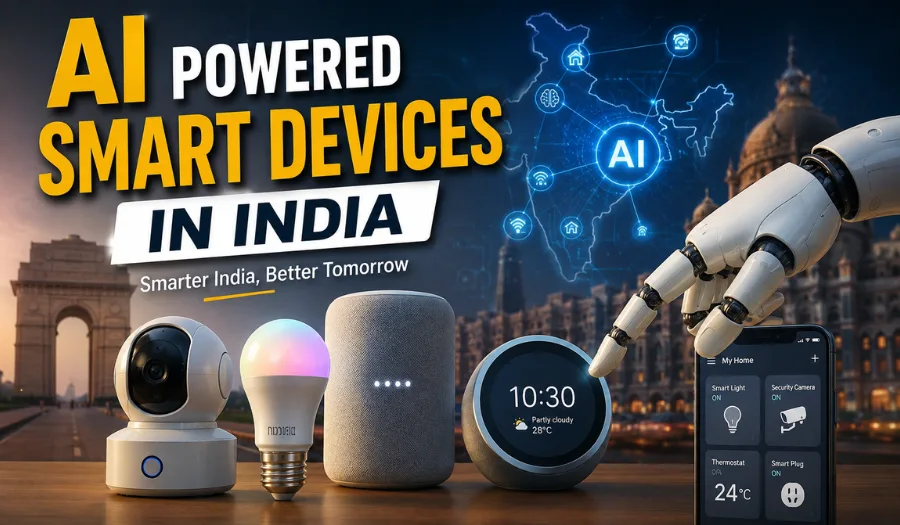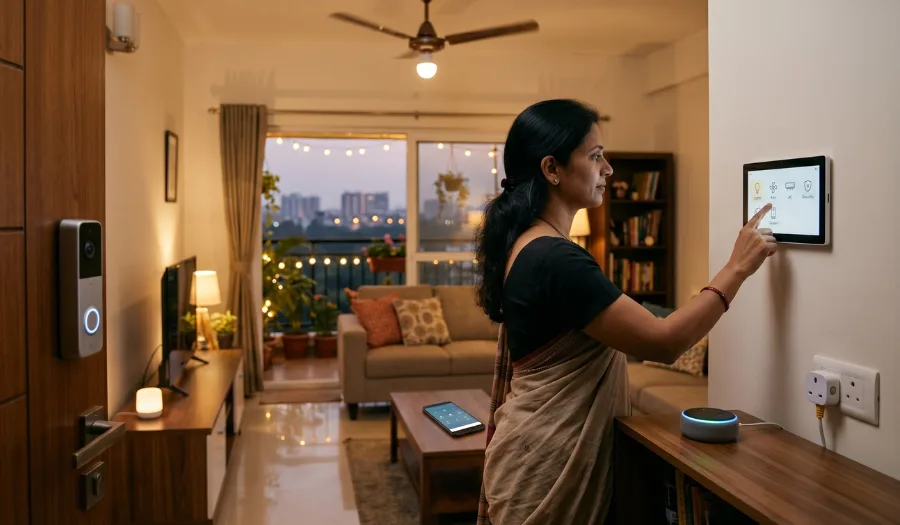
The world of Indian homes is going through radical changes due to the integration of technology for smart homes moves from a niche of luxury to becoming a commonplace technology. By 2026, the idea of the smart home in India has grown beyond the simple use of speakers that activate with voice. The concept now embodies a unified environment designed to solve particular regional issues like energy fluctuations, varying climatic conditions, and unique design and layout of Indian homes. In the present-day Indian home owner, use of these systems is driven by a desire for increased security, significant savings on energy as well as an increased level of comfort that is a perfect match for the ever-changing pace of life.
The Foundation of Smart Lighting and Ambiance
Lighting remains the primary access point to automation of homes in India. The brands such as Philips Hue and Wipro have broadened their offerings to include an array of intelligent LED lighting, battens and strip lights to are designed to meet the colorful and varied lighting requirements of Indian events and day-to-day activities.
Smart lighting technology is more than just switching colors using apps on smartphones and are interconnected with motion sensors and clocks that regulate circadian rhythm. For many Indian houses, sensors installed in bathrooms and hallways make sure that the lights are turned off automatically at night in a dim light which prevents the uncomfortable sensation of bright lighting during late-night motions.
Additionally, the combination of these lights into the ability to schedule them allow homeowners to appear present even when they're not there, serving as the primary element of security for their home.
Intelligent Climate Control and Energy Management
Due to the intense heat that is prevalent in the majority of the Indian subcontinent, the use of smart AC and fan controls are no longer being an optional feature. Smart thermostats as well as AC controllers made by companies such as Oakter and Sensibo permit users to cool their homes prior to arriving which ensures comfort while optimizing consumption of energy.
The most significant development in 2026 will be the introduction of high-end plugs that are smart and specifically 16A models that are utilized to control older geysers and air conditioners. These plugs allow real-time monitoring of energy consumption that allows families to monitor the power usage of their appliances down to the kilowatt hour.
This is crucial in countries where electric tariffs are often excessive and differ by slab. Set up schedules to water heaters and ensuring that ACs do not run in rooms that are not being used, Indian households are seeing significant reductions in the cost of their utilities each month.
Security Solutions Tailored for the Indian Context
Security may be the main driver of intelligent home technology in India. The old "godrej" locks are currently being replaced with sophisticated smart locks made by brands such as Ozone, Yale, and Godrej's own smart line.
The locks provide several layers of security, such as biometrics and OTP-based entries for domestic or guest help as well as physical keys in urgent situations. Together with cameras for video doors and smart cameras, home owners can access their front doors from anywhere around the world. Top brands like CP Plus, Hikvision, and Xiaomi have developed cameras made specifically for Indian conditions.
These cameras feature improved night vision as well as weatherproofing that can resist the monsoon as well as dust. They often have artificial intelligence-powered detection of people and filtering out false alarms triggered by wandering creatures or trees moving and ensures that messages sent to the homeowners' mobile are timely and relevant.
The Rise of Domestic Help and Robot Assistants
The distinct character of Indian family daily life, that often requires either full-time or part-time assistance and care for the family, has affected how smart gadgets are employed. Vacuum cleaners and mops made of robots made by brands such as ECOVACS and Milagrow are seeing huge adoption.
They are capable of handling the unique challenges that come with Indian flooring, which typically contain a mixture of tile, marble and rugs. They also handle the higher levels of dust that are common in urban areas. In addition to cleaning, smart appliance for the kitchen are getting popularity.
Smart water purifiers that notify users of the health of their filters as well as smart refrigerators to help to manage food items are becoming frequent in high-end urban residences. They ease the stress of house managing, and allow homeowners to concentrate on their work and private life.
Connectivity and the Infrastructure Challenge
One of the major obstacles to the development of smart home technology in India is the reliability of power and internet. The industry in 2026 is moving towards "offline-first" (also known as "local processing") capability. Smart switches and hubs currently use protocols like Zigbee or Matter that permit devices to connect with one with each other, even when the main internet connection fails.
Retrofit devices are now the most popular choice for Indian houses, since they can be plugged into switches that are already in place without the need for major rewiring or other the construction of a civil structure. This option preserves the style of the house, and also provides it with modern-day technological capabilities. Additionally, smart MCBs (Miniature Circuit Breakers) are being utilized to safeguard expensive smart systems from frequent surges in voltage which can be experienced in different areas of the nation.
The Role of the Smart Hub and Voice Assistants
Central nervous system in the Indian smart home is usually the voice assistant. Amazon Alexa and Google Assistant dominating the market because of their extensive capability to work with Indian accents as well as multiple local languages.
The hubs serve as the intermediary between different devices and enable users to activate "scenes" by just a single voice instruction. As an example, the "Movie night" command will also turn off the lights, open the smart curtains and switch on the theater system in your home.
In the years leading up to 2026, the emphasis has been shifting towards interoperability through the Matter standard guaranteeing that any device purchased from a particular brand can seamlessly connect with the hub of different. The democratization of technology means that consumers aren't locked in a particular brand's world and can construct their home smart in stages over the course of time.
Future Outlook and Sustainable Living
As India is moving towards a more environmentally sustainable the future, smart devices for homes play a key role in green building projects. The integration of solar energy along with smart home management systems is becoming more popular among private villas and bungalows. They focus on making usage of solar energy throughout the day for running large appliances such as dishwashers and washing machines. Data gathered through these intelligent systems are additionally being utilized by developers and urban planners to design homes that are more energy efficient.
The main goal of the smart home system in India is to build an environment that isn't simply technologically superior and technologically advanced, but also naturally more comfortable, safe and mindful of our environment. Moving from an ordinary automatic bulb to a connected home is in full swing and promises a future in which the living spaces we live in are truly able to will take the care of us.