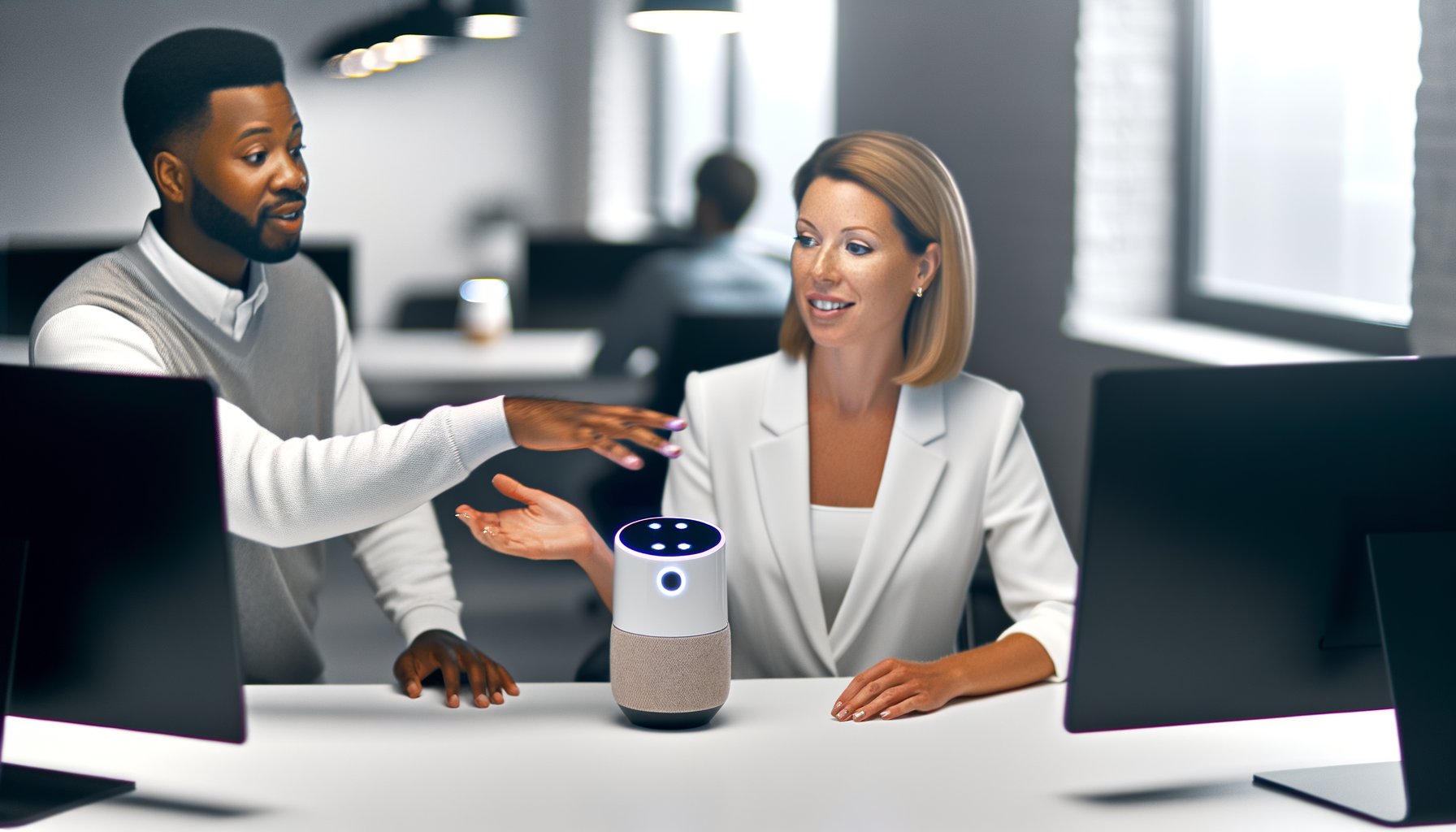
Ever had your phone guess what you're about to text, or your doorbell tell you someone's at the door before they even ring? That's the kind of stuff artificial intelligence products pull off every day. These aren't sci-fi inventions. They're around you, making life easier (or sometimes lazier, but who cares?). If you've ever wondered which AI gadgets or smart home devices are actually worth messing with, stick around. You'll get the lowdownno tech degree needed.
What Exactly Are Artificial Intelligence Products?
You see the words everywhere, but they're not always clear. Artificial intelligence products are things that use smart software to make choices, learn, or predict what you might wantall on their own. This covers everything from robot vacuums and smart speakers to apps that organize your day.
- AI gadgets: Like earbuds that block out the noise you don't want to hear.
- Smart home devices: Lights, locks, and fridges that remember your preferences or remind you what you're missing.
- AI tools: Digital assistants, grammar checkers, or even camera filters that find your best angles.
They're everywhere and getting better all the time. If you've used a voice assistant or let your map app reroute your drive, you've already joined the club.
How Do AI Gadgets Fit into Everyday Life?
If you're picturing robots running the house, that's not it. Most AI gadgets slide right into regular routines. They'll save you time, clear up tiny annoyances, or just do chores you'd rather skip.
- Robot vacuums map out your floors and clean them when you're out.
- Smart lights know when you'll walk in the door and turn on as you approach.
- Thermostats learn your habits so you never walk into a too-cold or too-hot room.
- Wearables track your sleep or tell you when it's time to stand up.
All of it adds up: more peace, less hassle. Sometimes, saving just a few minutes a day is massive (ask any parent, or anyone who ever burned toast because they got distracted).
Why Do People Love Smart Home Devices?
Smart home devices do more than look cool on Instagram. They cut down on stress. Who wouldn't want to check if they left the garage door open without doubling back? Or lock up at night from bed?
- They help with safety (smart locks, cameras)
- They save money over time (energy-efficient lights & thermostats)
- You can control things with your voice or phoneso you don't run around like a maniac turning off lights
You'll hit a point where you wonder how you lived without these things. But, not every device is worth it. Some are hype. Start with one or two that solve real problems you have.
What Are the Downsides of Everyday AI Technology?
Let's be real: not all that glitters is gold. Some artificial intelligence products need more babysitting than a puppy. A few headaches pop up:
- Bad connections: Without good wifi, your smart speaker becomes a very expensive paperweight.
- Learning curves: Some tools take a while to set up right (and yes, it's annoying).
- Privacy: Anything with a mic or camera can feel creepy. You have to trust the company. Not all deserve it.
- Cost: Some smart gadgets aren't cheap, and the benefits might not match the price for your lifestyle.
Best move: don't buy a bunch at once. Pick one, see if it fits, and expand if it helps you out.
How Can You Start Using Intelligent Products Without Going Overboard?
This doesn't need to be an all-or-nothing thing. Here's how to dip your toes in without draining your wallet or patience:
- Start with a problem you want to fix, not a gadget you want to own.
- Check what plays nice with your phone, wifi, or current devices.
- Go for easy-to-use products with solid supportforums and reviews help here.
- Resist the urge to automate everything at once.
Maybe try a smart plug firstthat way, any old lamp or coffee maker becomes smart. When it feels natural, move up to bigger gadgets.
Which AI Tools Are Worth the Hype?
With so many options, sticking with tried-and-true AI tools is smart. People love these for a reason:
- Voice assistants like Google Assistant, Alexa, or Sirithey get better at shortcuts and reminders as you use them.
- AI writing helpers or spell checkersgreat for emails, homework, or reminders.
- Smart security camssend alerts straight to your phone if something's not right.
- Wearable fitness devicesthey nudge you to hit your steps or wind down for bed.
The trick is finding which ones solve real-life headaches. If a device makes you roll your eyes more than it helps, skip it.
How Do You Make the Most of Everyday AI Technology?
Getting something new is one thing. Using it every day is another. Most people end up sticking with the tools that work quietly in the background and don't need a constant check-in.
- Update devices and apps so they stay secure and get new features.
- Set up routineslike lights that come on when you wake or a playlist that cues up when you start cooking.
- Don't forget the off switch: You decide how connected or disconnected you want to be.
AI should serve you, not the other way around. Boss your devices around, not the opposite.
What Can Go Wrong With Artificial Intelligence Products?
Even the smartest gadgets act up sometimes. Maybe your smart lock doesnt recognize you, or your robot vacuum misses the same corner every time. Here's what usually goes wrong:
- Devices not talking to each other (mixing brands can cause headaches)
- Over-relianceif the wifi's down, nothing works
- Updates that change how things work (sometimes for the worse)
- Unreliable customer support
If something feels off, don't be afraid to go back to basics. Sometimes the old way really is better for you.
Keep it Simple, Keep It Smart
You don't need a tech degree, a huge budget, or endless patience to enjoy artificial intelligence products at home. Pick tools that solve problems, not ones that create new ones. Try a little at a time and see what fits your style. Ask friends what they use, or test a few out. Either way, you'll find that right mixa life that feels a little smarter, with a lot less work.
Frequently Asked Questions
- What are artificial intelligence products I can use at home?
Think robot vacuums, smart speakers, and digital assistants. These products use built-in smarts to learn your habits or help you get stuff done without much effort on your part. Start with something you'll actually use daily, like a smart plug for your coffee maker or a speaker for hands-free timers. - Can smart home devices save me money?
Yes, some can. Smart thermostats learn when you're home and adjust heating or cooling, which can lower energy bills. Smart lights with sensors turn off when no one's around, saving electricity. These add up over months, especially in bigger homes. - What are the risks of everyday AI technology?
The main risks are privacy and security. Devices with microphones or cameras need careful setup to protect your info. Always check settings, update software, and buy from trusted brands. Don't ignore reviewsmany people share what went wrong, which helps you avoid trouble. - How do I set up AI gadgets so they actually work?
Follow directions, connect to a strong wifi, and keep your apps updated. It helps to set aside quiet time to set everything up so you're not rushing. If you get stuck, video tutorials or online support forums are a lifesaver. Start with one device, get comfortable, then add more when ready. - Is it possible for artificial intelligence products to get smarter ver time?
Yesmany devices update themselves and learn as you use them. For example, smart speakers get better at recognizing your voice, and robot vacuums build better maps of your floor. The more you use them, the better they can help. - Do I need to spend a lot to get good AI tools?
Nope. Some of the best tools are basic and affordable. Entry-level smart plugs, WiFi bulbs, and free apps can make a big difference. Only upgrade to pricier gadgets if you'll really use the features. Start small and see what fits your life.