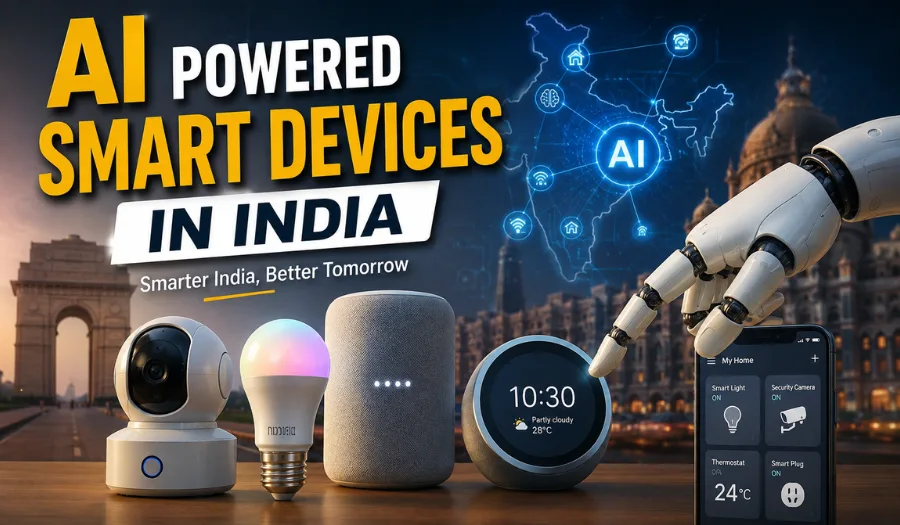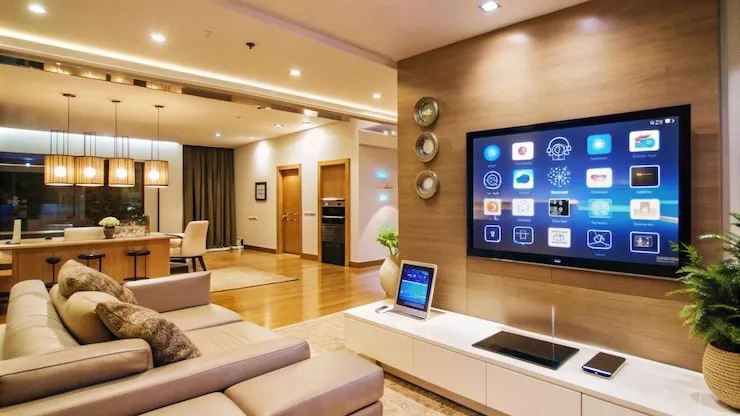
Imagine a home that helps with daily chores. Think of a house that keeps your family safe and saves energy. This is not science fiction. It is today's reality with home automation.
Smart home technology is changing how people live. It makes life more convenient, secure, and fun. This guide explores the newest trends. It shows how these innovations create a better living space for everyone.
Transform Everyday Life with Latest Home Automation Trends
The idea of a "smart home" has grown quickly. It started with simple gadgets. Now, it is a full system that connects your entire house. The goal is simple: make life easier. The latest trends focus on connection, intelligence, and simplicity.
These systems learn your habits. They adjust to your preferences. The result is a home that feels helpful and personal.
Key Trends Revolutionizing Modern Homes
Several exciting trends are leading this change. They work together to create a seamless experience.
1. Whole-House Voice Control and Central Hubs
Gone are the days of one smart speaker. Now, whole-home voice control is popular. You can talk to your house from any room. Central hubs connect all your different devices. They let you control lights, music, and temperature from one app or voice command. This creates a unified smart home ecosystem.
2. Smart Home Energy Management
Saving money and helping the planet is a big trend. Smart thermostats learn when you are home. They adjust the temperature to save energy. Smart plugs turn off electronics that waste "phantom power." Energy-efficient smart lighting with LED bulbs uses less electricity. These tools give you detailed energy usage reports. You see exactly where you can save.
3. Advanced Security and Peace of Mind
Safety is a top reason people choose home automation. DIY home security systems are easy to install. They include smart doorbell cameras with two-way talk. You can see and speak to visitors from your phone. Automated door locks let you lock or unlock doors remotely. Smart security cameras with AI can tell the difference between a person, a car, or an animal. This sends fewer false alarms.
4. Automating Daily Routines and Chores
Home automation handles repetitive tasks. Robotic vacuum cleaners map your home and clean on a schedule. Smart kitchen appliances can preheat your oven or start your coffee maker. Automated window blinds can open with the sunrise. These features add convenience. They free up time for more important things.
5. Health and Wellness Focused Automation
Your home can now help you stay healthy. Smart air purifiers monitor air quality and turn on automatically. Sleep-enhancing technology uses smart lights that mimic sunset to help you wind down. Water leak detectors can alert you to problems before they cause damage. This trend makes your home a healthier place to live.
Practical Benefits: How Automation Truly Helps
Why should someone consider these technologies? The benefits are real and touch every part of the day.
-
Increased Convenience: Control your entire home with your voice or phone. No more getting up to turn off a light.
-
Enhanced Security: Get alerts and video feeds directly to your device. Feel safer with automated lights when you're away.
-
Significant Energy Savings: Smart devices cut down on waste. This lowers utility bills and is better for the environment.
-
Greater Accessibility: Technology helps people with mobility challenges. Voice commands and automation give more independence.
Expert Insight: "The true power of a modern smart home isn't in having dozens of gadgets. It's in how those devices work together silently in the background to solve everyday problems," says Maya Chen, a smart home systems designer. "The best automation is the kind you don't even notice—it just makes life flow smoother."
Building Your System: Where to Start
Starting can feel overwhelming. The key is to begin small.
-
Identify a Pain Point: What bothers you? Is it forgetting to turn off lights? Worrying about security? Start there.
-
Choose a Core Ecosystem: Most devices work with Google Assistant, Amazon Alexa, or Apple HomeKit. Picking one helps ensure everything works together.
-
Start with a Starter Kit: Many brands offer beginner-friendly smart home kits. These often include a hub, a plug, and a sensor. It's a great way to learn.
-
Expand Gradually: Add devices room by room. Master one device before adding the next.
The Future of Home Automation
What's next? Technology keeps evolving. We will see more AI-powered predictive automation. Your home will anticipate your needs before you ask. Matter, a new universal standard, will make devices from different brands work together easily. The future is a home that is not just connected, but truly intelligent.
Final Thought:
Embracing cutting-edge home automation is about improving quality of life. It solves small daily problems. It provides peace of mind. The technology is here, it's accessible, and it's designed to help. By starting small, anyone can build a home that is more responsive, efficient, and enjoyable to live in.
Frequently Asked Questions
Q: Is a smart home very expensive to set up?
A: Not anymore! You can start for under $100 with a smart speaker or plug. Building a system can be done step-by-step to fit any budget. Many devices save money on energy bills over time.
Q: Is it difficult to install smart home devices?
A: Most modern devices are designed for DIY smart home installation. They use simple apps, plug into normal outlets, or use adhesive strips. No special wiring is needed for basic products.
Q: Are smart homes safe from hackers?
A: Security has improved greatly. Always use strong, unique passwords for your accounts and your home Wi-Fi network. Enable two-factor authentication on your apps. Buying from reputable brands also increases security.
Q: What if the internet goes down? Will my house stop working?
A: Basic functions often still work. Smart lights will act like normal lights. Smart locks will use their physical keys. However, remote control and voice commands need internet to function.
Q: Can I take my smart devices with me if I move?
A: Absolutely! Most devices are portable. You can unplug smart plugs, take your speakers, and remove sensors. This makes home automation for homeowners and renters a great option for everyone.