Raise your hand if you've ever traveled somewhere and spent half your time thinking about what you're going to eat next. You're not alone. Food has this weird powerone bite and you're pulled straight into the heart of a place. That's what culinary travel is all about. It's for anyone who's tired of the same old tourist spots and wants a vacation that tastes, smells, and feels real.
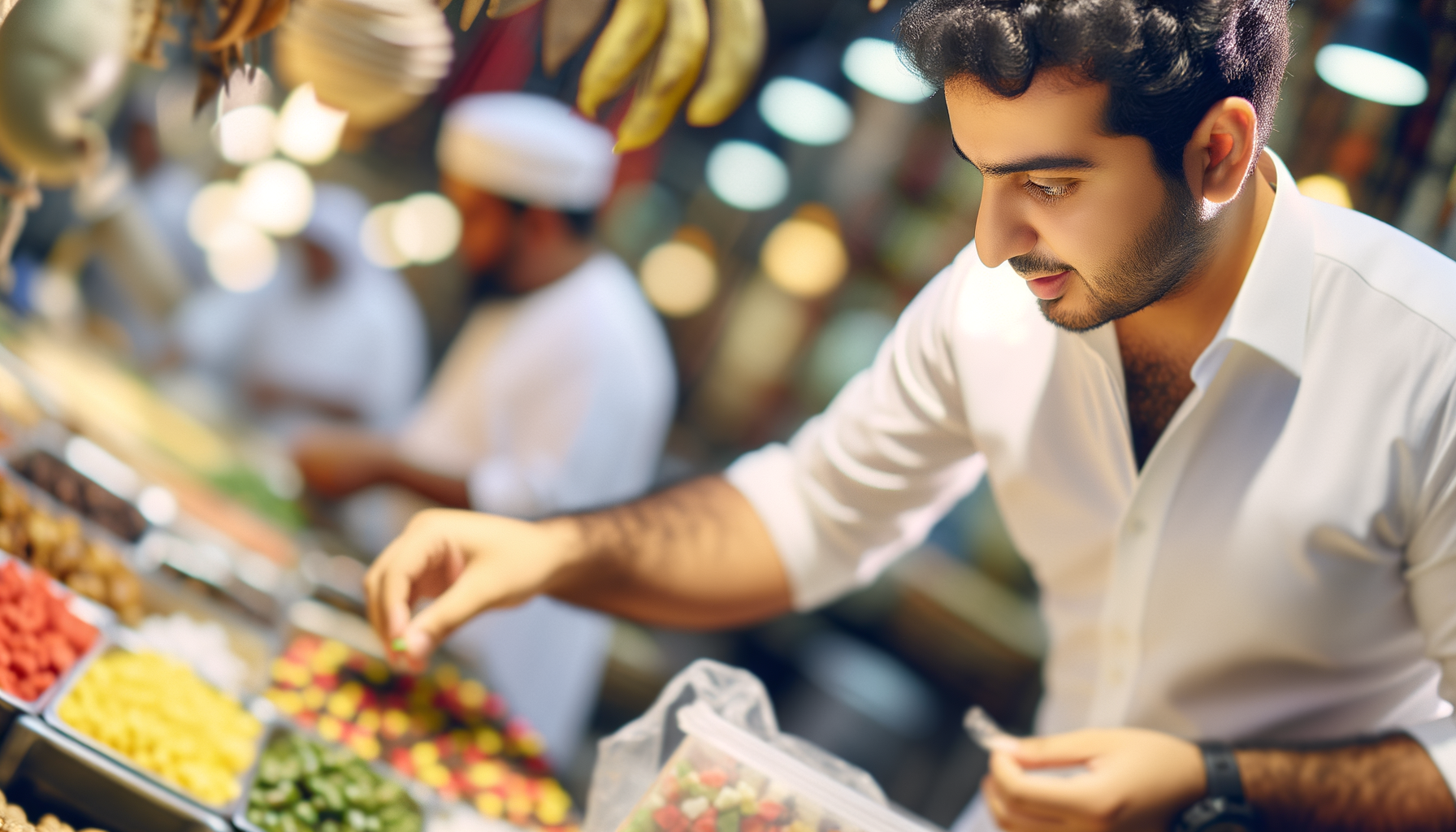
Maybe you've heard the buzzwords: food tourism, gastronomy trips, culinary vacations. They're all flavors of the same idea: travel for food. But it's not just snapping photos in fancy restaurants. It could mean hunting down the best street tacos in Mexico City, rolling up your sleeves in a pasta-making class in Italy, or following a local guide through bustling night markets in Thailand.
What Exactly Is Culinary Travel?
Culinary travel is when you plan your trip around food. It's not about eating to surviveit's eating to experience. This style of travel puts tasting, cooking, and learning about local cuisine at the center of your journey.
Why does it matter? Because food tells the story of a place. You get tradition, family, history, and identityall on your plate. You connect with people in a way guidebooks never deliver.
- Visiting family-run restaurants instead of tourist traps
- Joining food tours run by locals
- Trying your hand at regional recipes in cooking classes
- Exploring markets and picking ingredients with chefs
The biggest catch? Sometimes you have to try stuff you've never even heard of. Ever eaten fermented shark, spicy cow's tongue, or escargots? There's your adventure.
Why Do So Many People Travel for Food?
If you ask around, lots of travelers will admit food memories top their lists. That tulip festival was beautiful, but the warm, gooey stroopwafel you ate on a rainy Amsterdam morning? Unforgettable. Eating with locals knocks tourist checklists out of the park because the food is true to the regionwhat people really eat at home, not what they put on a menu for visitors.
- You get to taste real, regional dishessometimes centuries old
- It connects you with actual people, not just tourist guides
- It sparks unexpected adventureslike getting lost in spice markets
- You bring back recipes and stories, not just souvenirs
Here's the flip side: food travel isn't always glamorous. Maybe your favorite foodie spot is closed, or a dish isn't what you pictured. Sometimes it's amazing, sometimes it's weird. And that's part of the fun.
How Do You Plan a Culinary Vacation?
Ready to swap hotel buffets for real-deal dining? Start simple:
- Pick a destination with a food scene that excites you (think: Italy, Japan, India, Mexico)
- Check local food festivals or special events while you'll be there
- Book a cooking class or market tour with locals
- Make a short list of 'must-try' dishesask around or do a little research
- Leave space in your schedule for wandering, tasting, and surprises
Biggest mistake? Over-scheduling every meal. Part of the magic is stumbling on that back-alley noodle shop or the baker who charms you with free samples.
What Makes Culinary Travel Different From Regular Travel?
Think of it like watching TV with the sound muted versus cranking up the volume. With food-focused trips, every sense gets involvedyou smell bread baking, hear street vendors call out, watch your food cooked before your eyes. You see life behind the scenes, not just the curated surface.
You also get out of your comfort zone. Maybe the menu's in another language. Or there's no menu at all. Suddenly, 'ordering dinner' turns into a mini-adventure.
- Find hidden food stalls instead of sticking to hotel restaurants
- Ask locals where they eat after work
- Try dishes you can't pronounce
- Say yes to inviteseven if it means goat stew at a stranger's house
Regular travel is cool, but culinary travel? It's personal. You get invited in, even if only for a meal.
Tips for Getting the Most From Food Tourism
If you want to really dig into a place, start with these:
- Don't skip street foodit's often where the best flavors live
- Join a mix of planned tours and spontaneous eating
- Document your favorites but don't live behind your phone
- Be brave with your palate: yes, even if it looks weird
- Ask questions! Locals love sharing food stories
And if something doesn't taste great? That's OK. It's one meal. Move on to the next bite.
What's the Downside to Traveling for Food?
It's not all cheese platters and fresh pastries. Sometimes your stomach rebels, you get lost looking for a hidden market, or the 'famous' dish doesn't live up to the hype. Allergies, dietary restrictions, picky kidsthey can make things trickier, but not impossible.
- Brush up on key phrases if you have food allergies (write them down, too)
- Check local customssome places look down on eating in public or eating with your left hand
- Pack meds for sensitive stomachslocal water and spices can surprise you
- Embrace mistakesordering wrong sometimes leads to happy accidents
Truth is, the little snafus often become the best stories once you're home.
Is Culinary Travel Expensive?
It doesn't have to be. Sure, you can book fancy tasting menus or wine tours, but some of the best food experiences are cheaplike soup from a street stall or bread from a market baker. The trick is mixing it up.
- Splurge on one great restaurant, save at lunch markets
- Find locally loved bakeries for breakfast
- Take public tours instead of private ones
- Eat what locals eatit's often cheaper and better than tourist fare
Pro tip: sometimes the less you plan, the more memorable (and affordable) your food finds.
Personal Stories: When Food Became the Destination
The best food trip I ever took was to Vietnam. I went for the scenery but ate my way through Hanoibreakfast by a busy street, bun cha for lunch, and egg coffee that blew my mind. Half the time I didn't know what I was ordering, but every meal was an adventure. Did I love every dish? Nope. Was it worth it? Absolutely.
Ask anyone who's gone on a gourmet travel binge. It's not about every meal being perfect. It's about the stories. Like that time you followed a delicious smell down an alley and found a busy dumpling shop, or learned to roll sushi from a chef who's been at it longer than you've been alive.
FAQs about Culinary Travel, Food Tourism, and Gourmet Adventures
- What is culinary travel, exactly?
It's traveling mainly to eat, cook, or learn about local foods. This means you plan parts of your trip around tasting dishes, joining food tours, or taking cooking classes. The goal? To taste a place, not just see it. - Can you do culinary travel on a budget?
Definitely. Street food, public markets, and casual cafes are affordable ways to experience real flavor. It's not about fancy mealsits about smart choices and being open to new experiences. - What's the difference between food tourism and regular tourism?
Food tourism centers around eating and learning about local cuisine, while regular travel might focus on sightseeing. Culinary travel means meals are the main event, not just fuel between attractions. - Is food safety an issue with culinary vacations?
Sometimes, but it's manageable. Eat where locals eat, choose busy places, and avoid food that looks old or sits in the sun. Carry medicine for stomach upsets just in case, and always drink safe water. - Do I need to speak the language on a food trip?
Not always, but knowing a few food words or using a translation app helps a ton. Pointing, smiling, and being curious goes a ong way in most places. - What if I have food allergies or restrictions?
It's tougher but not impossible. Research ahead, learn key phrases for your allergy, and carry a written card to show cooks. Stick to cooked foods and ask lots of questions for safety.
All in, culinary travel makes vacations way more interesting. Next time you plan a trip, start with your taste buds. Who knows what flavors you'll findor what new friends you'll make around the table.