Long days spent in kitchens that smell like fresh bread, late afternoons tasting pastries still warm from the oven, and sightseeing between bitesthis is what draws people to European baking vacations. You get to live out that Paul Hollywood handshake fantasy for real, but with homemade croissants and a local chef showing you exactly where you went wrong (and right) along the way.
If you love carbs, travel, and learning by doing, keep reading. Well walk through what these trips look like, reasons to book one, what youll actually learn (spoiler: its more than mixing dough), and how to pick the right European bakery adventure for your taste.
What Are European Baking Vacations, Anyway?
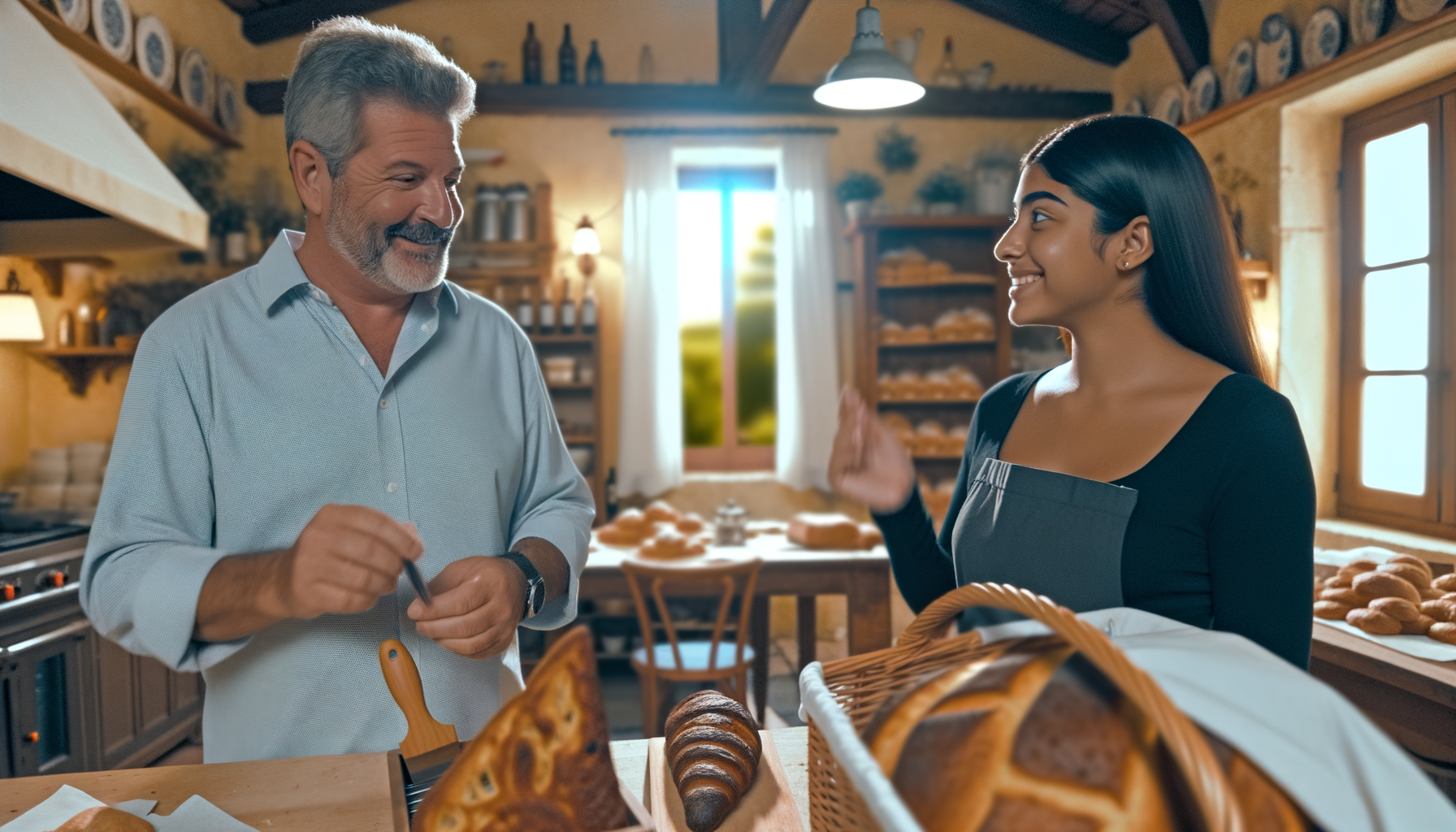
Think of baking tours in Europe as food-focused holidays for people who want to get their hands messy. Instead of just looking at landmarks, youre rolling dough, piping eclairs, and walking out with treats you made yourself. These trips mix sightseeing, culinary vacations Europe style, and expert-led classes in bakeries, pastry kitchens, or someones cozy village home.
You join small groups or go solo, and classes fit everyone from newbies who barely know what yeast does to hobby pros who obsess over laminated dough. If youve ever taken a painting class on vacation or joined a wine tour, its the same vibejust tastier and with more flour on your shirt.
- Hands-on lessons in baking, pastries, or bread
- Guided by real European bakers and chefs
- Visits to famous (and hidden gem) bakeries
- Extra experiences: market trips, cultural tours, eating together
Its not just about copying a recipe. You get stories, technique, history, and the best part: lots of eating!
Why Bake Your Way Around Europe?
Everyone says Europe is best for food, but going for a European baking vacation lets you snag more than just Instagram shots of macarons. Heres why these trips matter:
- You learn from the sourcelike, the baker whose family recipe survived world wars.
- Tastes are unbeatable because you made them with local ingredientsFrench butter doesnt taste the same anywhere else.
- Baking classes are a social equalizer. People bond over failed soufflés.
- You finally figure out whats missing from your home baking (its usually technique or patience).
Honestly, you come back with more confidenceand sometimes new friends worldwide. Plus, you get to eat pastries every single day and call it research.
What Kinds of Baking Trips Can You Take?
Want to knead sourdough in Italy? Dream about mastering French tarts? Theres a European baking vacation for you. Heres whats out there:
- French pastry classesLearn croissants in Paris or eclairs near Lyon
- Italian baking holidaysRustic breads, focaccia, and biscotti in Tuscany or Umbria
- German bakery toursPretzels, strudels, and hearty loaves in Bavaria
- British baking escapesClassic scones, Victoria sponge, and afternoon tea in the countryside
- Scandinavian baking toursKanelbullar (cinnamon buns) in Sweden, rye breads in Denmark
- Group programs or private lessonsfrom city apartments to country manor kitchens
Some trips are short classes that fit into bigger travels. Others are week-long deep dives with excursions, markets, and side trips. Several let you experiment with gluten-free or vegan baking if thats your thing. Your options are as wide as Europes bread selection.
How Do You Choose the Right Baking Vacation in Europe?
Picking the best culinary vacation in Europe takes some thought. Heres what matters:
- Skill levelBe honest. Are you a beginner, confident home baker, or somewhere in between?
- LocationDo you want a city (Paris, Rome, Vienna) or small town vibe?
- Trip styleQuick class or deep-dive bakery tour Europe style? Group or private?
- Food focusBread, cakes, pastries, savory bakes, or a mix?
- Culture crashDo tours include sightseeing, markets, eating together?
Read reviews. Look for instructors who genuinely teach, not just demo. Ask if recipes are included (pro tip: some only share demo notes, which is annoying if you want to bake at home!).
Red Flags to Watch For
- Classes that are too bigyou wont get hands-on time
- Only demos, no baking yourself
- Advertised as culinary vacation but just offer tastings, not baking
- Hidden costs for ingredients or extra trips
What Will You Actually Learn?
Every trip is a little different, but youll get:
- Foundational skills: kneading, mixing, shaping, proofing
- Pastry tips: rolling dough, handling butter, avoiding soggy bottoms
- Secret tricks: like how French bakers get that flaky crust
- Recipes to recreate at homeoften classic regional specialties
- How ingredients and local culture affect baking
Best of all, you get instant feedbackmess up a Danish, and a pro is there to show (not just tell) how to fix it.
Its Not All Sweets and Roses: Common Challenges
Lets be realbaking holidays in Europe arent all fresh baguettes and Insta-ready soufflés. Challenges happen:
- Jet lag and class times can clash
- Some recipes use ingredients hard to find back home
- Your hands might hurt from all the kneading
- Kitchens can be smaller or more rustic than you expect
- Language barriersmost classes are in English, but accents vary
The trick? Brush it off. Ask questions. And laugheveryone burns something or flattens a croissant once.
Sample Day on a European Baking Vacation
Not sure what a typical day looks like? Heres a real examplea baking tour in France:
- Morning: Walk to a local market with the chef, picking out butter, eggs, and flour
- Late morning: Back in the bakery kitchen, hands-on croissant lesson
- Lunch: Homemade quiche and salad as a group, comparing baking stories
- Afternoon: Decorate pastries, learn about French pâtisserie traditions
- Evening: Free to explore, armed with a box of treats you made yourself
Other countries and tours will have their own flavorsometimes countryside walks, sometimes city wanderings, always lots of eating and learning.
Tips to Make Your Bakery Tour Europe-Ready
- Wear comfy, closed-toe shoesyoull be on your feet
- Bring a notebook, or use your phone for quick recipe notes
- Pack snackssometimes you eat late because of class schedules
- Buy ingredients you love to try at home
- Embrace mistakesthey make the best stories later
If you want the most out of your European baking vacation, jump in enthusiastically and dont worry about perfection. Its about trying new skills, having fun, and saying yes to things youd never make at home (like German stollen with marzipan or Portuguese pastel de nata!).
Your Next Steps for a Dream Baking Getaway
Nows the best time to turn your foodie daydreams into a real trip. Browse options, read reviews, sort your must-try pastries, and ask questions before you book. Whether youre chasing buttery French croissants or rustic Italian breads, theres a baking vacation Europe has waiting for you.
Youll come home with more than a suitcase of carbsyoull have new skills, new friends, and the kind of stories that make everyone wish theyd taken a bakery tour, too. Book the trip. Wear the apron. And enjoy every bite.
FAQ: Baking Tours, Classes & Culinary Vacations in Europe
- Whats included in most European baking vacations?
Most trips include hands-on classes, all the baking ingredients, an English-speaking instructor, and chances to eat what you bake. Some add market tours, city walks, and group meals. Flights and hotels are usually extradouble-chek so you know exactly whats covered before you book. - Can beginners join bakery tours in Europe?
Absolutely. Most bakery tours and classes welcome beginners. The point is to learn and have fun, not show off fancy skills. Instructors explain each step, and youll meet others in the same boat (even if your dough is a sticky mess at first). - How long do European pastry classes last?
Single classes run a few hours, but full baking holidays or tours in Europe can last 3-7 days. Some mix sightseeing with lessons, so you get breaks from the kitchen and can explore local life too. - Do I need to know the language?
No worriesmany baking holidays in Europe are taught in English, even if youre in France or Italy. Some instructors have strong accents, but theyre used to working with international guests. Still, learning simple words like flour or sugar in the local language is a nice touch. - Will I get recipes to take home?
Yes, you usually get written recipes or handouts to make the same treats at home. Ask if they include measurements youre used to (like grams vs. cups) and if any special ingredients can be replaced easily once youre back home. - How do I pick between all the baking tours Europe offers?
Look for reviews from people like you, not just five-star ratings. Think about skill level, location, type of baking, and if you want extra travel time or just kitchen classes. Dont forget to see if they let you bake hands-on and not just watch.