You know those days when a fresh croissant or a gooey cinnamon roll is all you want? Now, think about baking one from scratchin a Paris kitchen or inside a tiny Italian village bakery. That's what baking vacations in Europe are all about. You get out of your normal routine, roll dough alongside real pros, and eat your homework. If you've ever dreamed of sneaking that flaky French pastry recipe home, here's your shortcut.
What Are Baking Vacations in Europe?
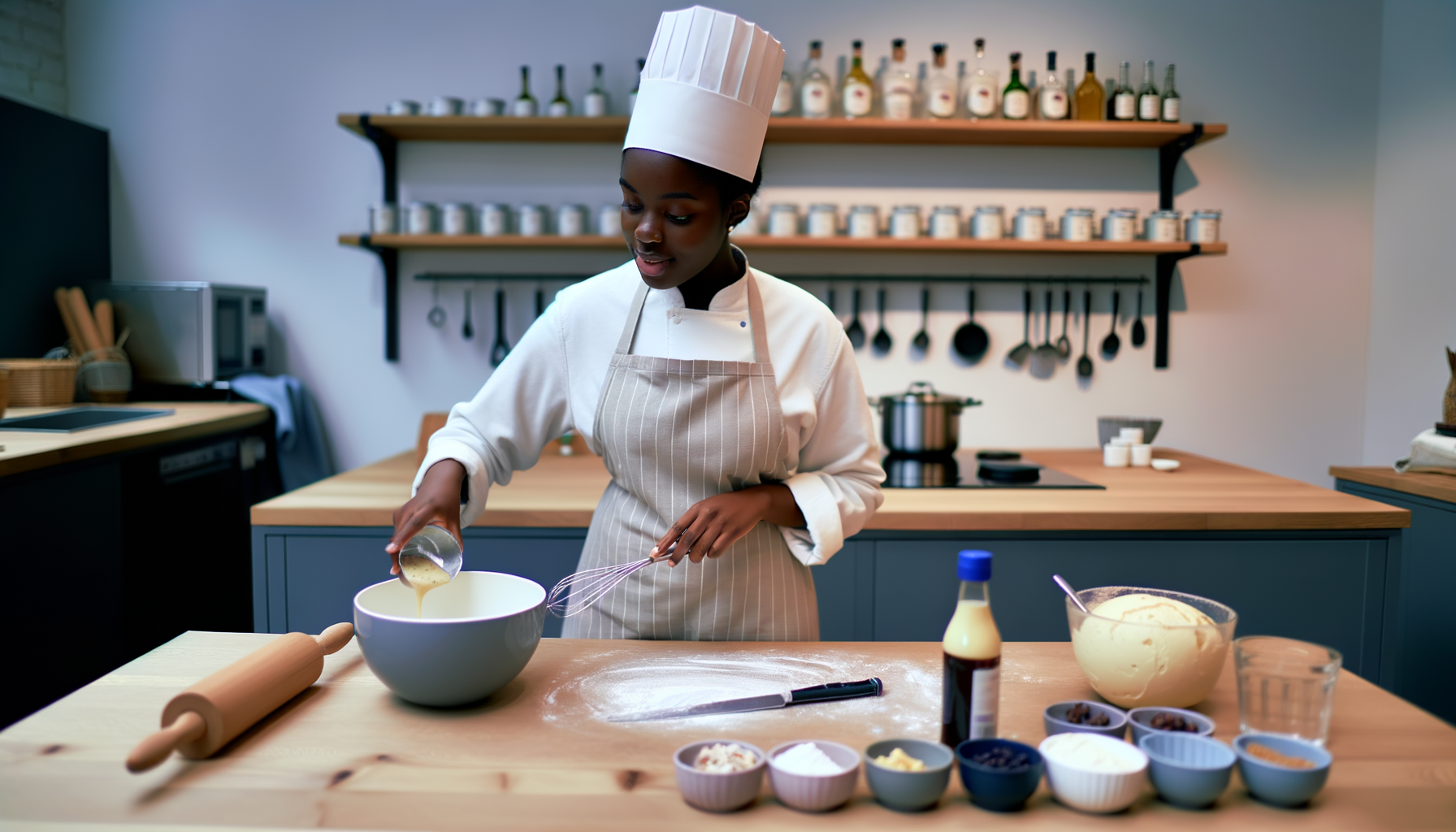
Baking vacations are trips built for food lovers who want more than sightseeing. Instead of only checking out the Eiffel Tower or the Colosseum, you spend time in kitchens, bakeries, and local markets, learning from talented bakers. You'll knead, whisk, and taste while making pastries, breads, and even cakeseach recipe with its own story.
- Learning from the masters: Every lesson comes from someone who's been baking daily for years.
- Hands-on experience: You don't just watch. You're elbow-deep in flour and butter.
- Sightseeing and eating: There's always time for local exploration and plenty of pastries to try.
The best part? These trips aren't only for pros. Beginners are welcome, and classes work in small groups. No one's judging your lopsided brioche.
Why Pick Baking Holidays in Europe Over Regular Vacations?
Europe is pastry paradise. Between French baguettes, Italian focaccia, and Austrian strudels, this continent knows how to bake. By booking baking holidays Europe style, you:
- Meet locals who love foodand share their secrets
- Make memories by trying stuff you won't do at home
- Take home skills that last longer than a souvenir magnet
It's not just about eating. It's about learning, sharing a laugh over a messy kitchen, and coming back with tricks you can't find in YouTube videos.
Where Can You Go for Great European Baking Tours?
Baking vacations in Europe pop up in every corner, but some spots are famous for good reason. Here are a few that never disappoint:
- France: Learn to master croissants in Paris, bake tarts in Lyon, or make baguettes in the countryside.
- Italy: Discover focaccia secrets in Liguria, bake Roman holiday cakes, or make pizzas in Naples.
- Austria: Try your hand at Viennese strudel, sweet buns, and cream-filled treats that taste like old movies.
- Portugal: Join classes on pastéis de nata in Lisbon, where every bite has a tiny bit of history.
- Spain: Tackle churros, ensaimadas, and local sweets with bakers who know exactly how long to knead dough.
Most European baking tours pair hands-on lessons with visits to local markets or historic bakeries. You get context behind every recipeand samples, which doesn't hurt.
What Happens During Baking Workshops in Europe?
Every trip looks different, but here's a taste of how days usually go:
- Meet your group and chef-baker over coffee or at a morning market
- Gather fresh ingredients (seasonal fruit, amazing butter, special flour)
- Learn a recipe inside a real kitchen (sometimes a bakery that's been around for centuries)
- Make, bake, and eatyes, always eat
- Take breaks for sightseeing or shopping along the way
Some baking workshops Europe offers also include sessions on food styling, wine pairing, and even food photography. If you want to wow family at home, you'll be ready with stories and step-by-steps.
How Much Do Baking Holidays and Tours Cost?
Prices range all over. A half-day session in Paris might run under $100, but a full week in Tuscany with room and board can be over $2500. Heres what affects the cost:
- Location: Major cities (Paris, Rome) are pricier than villages
- Length: One-off classes vs. 7-day retreats
- Extras: Some include tours, market visits, meals, hotel stays
- Class size: Small groups usually cost a little more, but you get more personal attention
If you find a good deal, double-check whats covered. Sometimes meals, transport, or gear are not included. Ask before you book so theres no sticker shock later.
Do You Need Baking Experience?
Nope. Most baking vacations in Europe are for travelers of all skill levels. Pros might pick up tips they missed in school, while total beginners learn the basics. Just bring curiosity, patience, and a sense of humorespecially if your pie crust collapses. It happens.
What Can Go Wrong? (And How to Keep It Simple)
Even dreamy baking holidays have their hiccups. Some common ones:
- Language barriers: Not every teacher speaks perfect English. A smile and a smartphone phrasebook help.
- Jet lag: Don't overbook yourself right off the plane. Rest matters.
- High expectations: Your first French baguette might look wonky. Thats fine. Youre here to learn, not earn a Michelin star.
- Too many sweets: Yes, there can be such a thing. Remember to drink water and take walks between classes.
The secret: relax, laugh off the flops, and be open to the small moments. Sometimes the stories you tell later are about what didnt go as planned.
How to Pick the Right Baking Trip in Europe
- Set a budgetknow what you can spend before you fall in love with a trip
- Check reviews and recommendations. Happy bakers talk!
- Decide how hands-on you want to beare you mixing dough or watching?
- Think locationdo you want a busy city, a quiet village, or the coast?
- Look for small groups. The best classes aren't crowded.
- Check if classes match your experience level
- Ask about whats included: meals, transport, recipes, goodies to bring home
The biggest tip? Book early. The good ones fill up, especially in summer and during local holidays.
What to Pack (and What to Leave Out)
- Basic clothes you can get messy in (aprons usually provided, but ask!)
- Comfortable shoes (there's a lot of standing)
- A notebook for recipes and kitchen tricks
- Some space in your bagyoull want to bring back treats
Dont stress about kitchen skills. Curiosity and a clean hand are all you need.
Quick Story Time: The First Strudel Disaster
I signed up for a strudel class in Vienna and thought, 'How hard can it be?' Turns out, stretching dough thinner than a bedsheet is trickier than you'd think. Mine tore, filling spilled, and the teacher smiled and said, 'No problem, we make it taste good anyway.' Fifteen minutes later, we were snacking on warm pastry and laughing. Thats the best kind of memory to bring home.
Ready for Your First Baking Vacation?
If you love the smell of fresh bread, want to tell better travel stories, or just need some time away, baking vacations in Europe are a sweet solution. You don't need fancy skillsjust a love for food, travel, and meeting new people. Book a trip, wear your messiest clothes, and get ready to come home with flour in your shoes and recipes in your pocket. Your kitchen will never look the same again.
FAQs
- What should I expect from European baking tours if I'm a beginner?
Most tours welcome beginners and make lessons easy to follow. Teachers guide you through each recipe step-by-step, so you won't feel lost. You'll also have plenty of chances to ask questions and fix any small mistakes. - Are baking holidays in Europe good for families?
Yes, many baking holidays Europe offers are family-friendly. Just double-check age rules. Kids often love joining in, and it's a fun way for everyone to connect over something tasty. - Whats the best season for baking workshops in Europe?
Spring and fall are popular because the weather is mild, and local ingredients are best. Summer can be busy, but it's great for markets. Winter has fewer crowds and can feel extra cozy insie a warm kitchen. - Can I join just one pastry class in Europe, or do I need a whole vacation?
Plenty of places offer single-day pastry classes Europe style. You don't have to book a whole week. Pick what fits your travel plans and interest. - What should I do if I have allergies or dietary restrictions?
Always mention any allergies or dietary needs when you book. Most culinary trips Europe style will try to adapt recipes or let you know if it's not a good match. Communication is key for your safety and fun. - Will I bring back recipes from the baking vacation?
Nearly every teacher gives out recipes and tips for making the dishes at home. You'll return with more than just souvenirsyou'll have stories, skills, and recipes to keep baking after your trip.