You know those trips where you come home and realize your brain works a little differently than it did before? That's what immersive travel experiences do. They're the kind of adventures that swap sightseeing for a deep dive into real life somewhere else. If you're tired of feeling like a tourist snapping photos you barely look at later, there's a whole different way to traveland it kind of rewires how you see everything.
What counts as an immersive travel experience, anyway?
It's more than taking a selfie in front of a landmark. Immersive travel means you actually get involved with the place and its people. It's about transformative travelletting yourself be changed by where you go and who you meet. That could be learning to cook with a local family or joining in a street celebration you've never heard of.
- Stay in one spot for a while: Skip the whirlwind tour. Get to know your neighborhood, the person who serves your morning coffee, the corner shop cat.
- Eat what the locals eat: Not fancy, not Instagram-perfect, but real. Ask someone what's good, then actually order it.
- Join community activities: Could be a pottery class, a fishing trip, or a pickup soccer game. Go where locals go.
Why does all this matter? Because these are the moments when travel stops being about escape and starts rewiring how you see the worldand your place in it.
How does immersive travel change you?
Think about the last time you tried something completely new. Maybe it felt awkward, even a little scary. Now imagine doing that in a country where you barely speak the language. Your senses kick in. You soak up every detail around you because you have to. That's not just funit's good for your brain and your soul.
- You start seeing how other people solve problems, celebrate, and connect. It's cultural immersion from the inside, not the sidelines.
- Your comfort zone explodes. Suddenly, what seemed strange back home makes a lot more sense.
- You bring back habits and stories that change your routinesthe way you eat, the way you talk to people, even how you spend your free time.
Here's the honest part: it doesn't always feel comfortable. Some days, you get things wrong. You make mistakes (sometimes funny, sometimes embarrassing). That's part of the rewiring. The more you lean in, the more real the experience gets.
Why go for immersive travel instead of regular sightseeing?
Regular sightseeing is fine. You see places, check them off your list, and get some decent photos. But if you've noticed those trips start to blend together after a while, that's because you're not really connecting. Immersive travel flips that script.
- Real connection: You talk with people, not just guides. You hear stories that never show up online.
- Lasting memories: Helping a farmer with a harvest or getting lost in a local market sticks with you forever.
- No more travel burnout: When you're involved in daily life, every day feels different. No rush, no pressure.
Bottom line: Your trip stops being a checklist. It becomes a story you live, and one you can't wait to tell when you get home.
How do you find authentic immersive travel experiences?
You don't need a fat wallet or some exclusive tour. Here's how to get there:
- Stay local: Skip big hotels. Look for guesthouses, homestays, or small rentals run by locals. The people you meet there are your best guides.
- Research community experiences: Search for workshops, volunteering, or classes led by people who live there (not just for tourists).
- Ask for recommendations: When you get to your destination, talk to shopkeepers, café staff, or even your taxi driver. Locals love sharing their go-to places.
- Be flexible: The best experiences happen when plans change. If someone invites you somewhere, say yeseven if it's not in your guidebook.
A mistake many people make? Trying to control every minute. Loosen up your schedule. Say yes to surprises. That's where the magic happens.
Can you do immersive travel if you're on a tight budget?
Absolutely. Some of the richest authentic travel experiences come from simplicity. You can even save money this way:
- Eat where locals eat. Street food is affordable and usually way tastier than overpriced tourist spots.
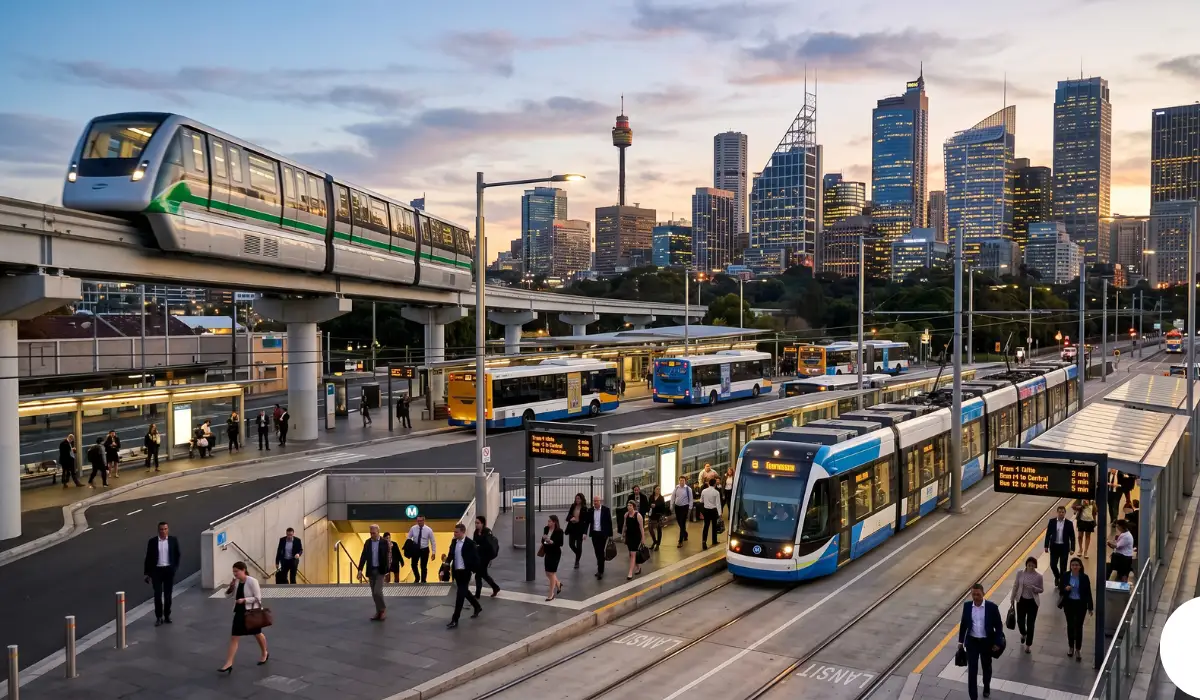
- Use public transit or walk. You'll notice more, and it's friendlier to your wallet and the environment.
- Swap skills: Offer to teach a language or help with a project in exchange for a room or meal.
- Travel slower: You spend less when you're not rushing from place to place. Slow days cost less and mean deeper connection.
You don't need five-star hotels or fancy tours to have deep, experiential travel. You just need a willingness to be part of whats actually happening around you.
What role does mindful travel play?
Think of mindful travel as paying attentionreally noticing. It's not about meditation (unless you want it to be). It's realizing that every moment of your trip is the trip. Not scrolling through your phone, but picking up on what's going on around you.
- Put down the camera and just watch, listen, and smell the world around you.
- Check in with yourself: Notice how you feel, what you're learning, and what throws you off-balance.
- Be curious about little things: Like why people eat breakfast at night, or how street dogs navigate traffic better than you ever could.
This kind of travel breaks routinesin a good way. It shows you how much you've been missing, at home and away.
What can go wrong with immersive travel?
Nothing is perfect. Sometimes, you misread a situation, or you're not used to the food, or you slip up and offend someone by accident. Here's what to watch out for and how to handle it:
- Language slip-ups: Get comfortable with hand gestures, and dont sweat mistakes. Most people appreciate the effort.
- Cultural differences: Research basics before you go, but also keep asking questions. If you mess up, apologize and laugh it off.
- Overplanning: Trying to squeeze every 'must-see' in usually backfires. Let your days breathe.
- Fatigue: Immersive travel takes energy. Build in downtime, and go easy on yourself if you feel overwhelmed.
The key is being open, curious, and ready to learn. Thats how you make mistakes into memories instead of regrets.
How do immersive travel experiences stick with you after youre back home?
You might not realize it right away, but these trips change the small things first. The way you taste your coffee, how you talk to strangers, the patience you have for stuff that used to bug you. You start craving those authentic connections, even in your own town.
Some people end up taking classes, starting language exchanges, or even shifting their career goals because of the perspective they picked up while away. Its less about bragging rights and more about showing up for life in a different way.
FAQ: Your top questions about immersive travel experiences
- What are some easy ways to find immersive travel experiences?
Start with a homestay or look for community-run events. Even joining a cooking class with locals beats big tour buses. Ask people who live in the area what they'd do on a weekend. Their answers lead to places and moments you won't find online. - Is immersive travel possible if I dont speak the language?
Yes! People all over the world use gestures and smiles. Apps help, but showing youre interested is more important. Most locals are patient if youre trying to learn or understand. Learn a few key phrases, but dont let language fears stop you. - Are immersive travel experiences safe?
Usually, yes, as long as you use common sense. Stay aware of your surroundings and trust your gut. Chat with locals and ask what's okay or not in their area. Avoid any ituation that feels off, and always have a backup plan for getting home. - How do I pack for immersive travel?
Pack light. Bring essentials and clothes you can mix. A second pair of shoes and something to adapt to weather surprises helps. More important: leave space for things youll pick up or gifts from new friends. You dont need much to fit in and enjoy. - Can families have immersive travel experiences with kids?
Definitely! Kids are natural explorers. Choose places where families live and play. Let them join local activities, from classes to playgrounds. It teaches them flexibility and respectand theyll probably make friends faster than you. - How do I keep the immersive mindset when I return home?
Keep being curious. Explore your own city like a traveler. Try new foods, talk to people youd usually pass by, and ask more questions about the world around you. The lessons stick when you put them into daily life.
You dont need a passport or a huge budget to start looking for immersive moments in your travels or at home. It starts with an open mind and a real curiosity about how other people liveand what you can learn from them. Pick one new thing to try on your next trip. Let yourself get uncomfortable. Youll come back changed in ways you didnt even expect. Thats where the best stories begin.