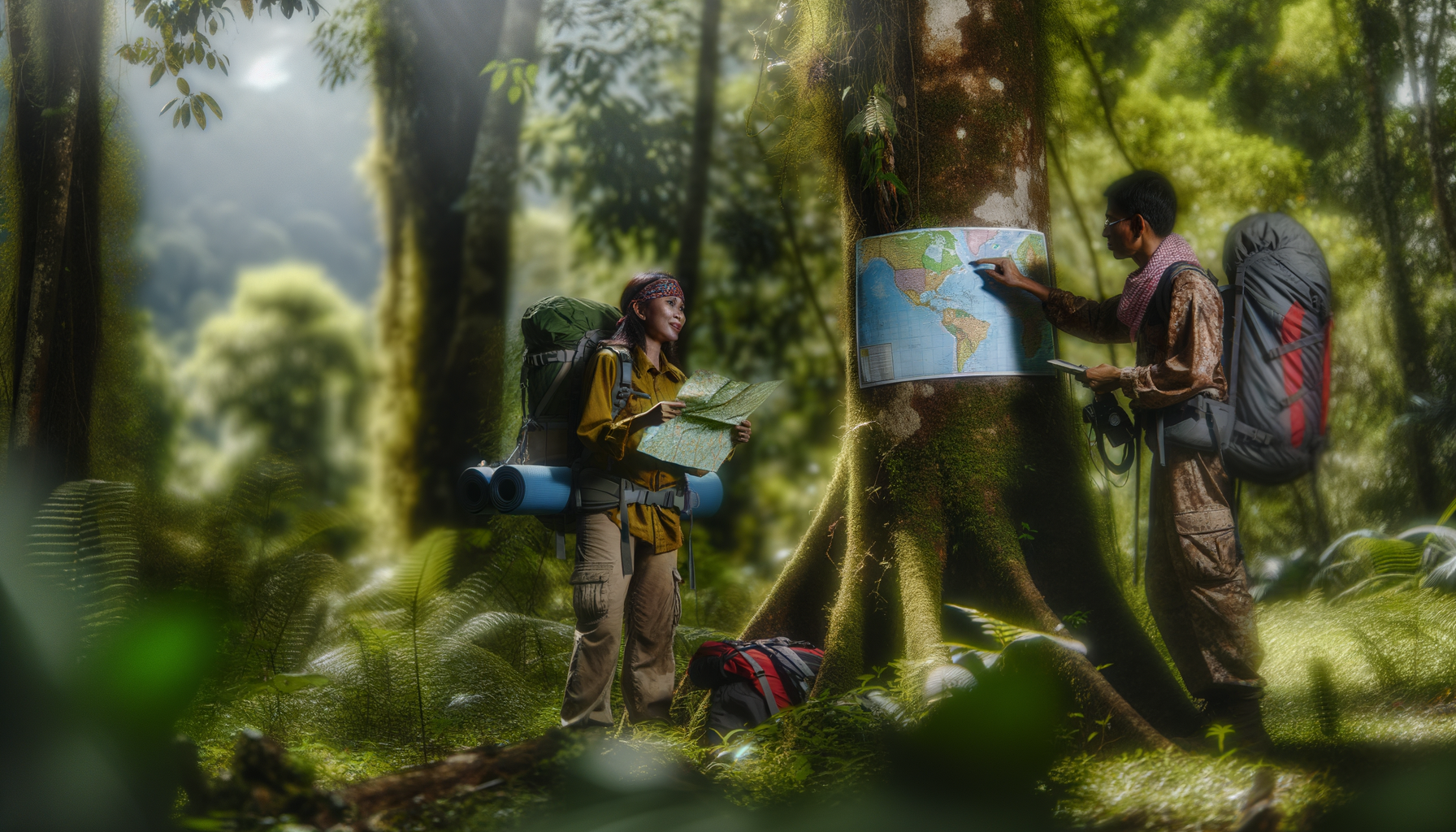
If youve ever scrolled past jaw-dropping photos of ice fields in Greenland or watched people paddling through Amazon rivers at work and thought, 'Seriously, is that a job?' the answer is yes. Paid international expeditions arent a pipe dream. They existand real people are landing them. Whether youre fresh out of school, tired of your desk, or itching for a wild side gig, theres a way in for you. Lets break down how you can actually get paid to explore, the ups and downs, jobs you didnt know existed, and how to make adventure your real paycheck.
What are paid international expeditions, really?
A paid international expedition is any trip where you get paid to work while seeing wild, new parts of the world. Think of it like adventure travelexcept youre not spending money, youre earning it. Some people think you have to be a pro explorer, scientist, or lifelong outdoor nerd. Not true. These gigs need all sorts of people. Whether as an expedition guide, research assistant, medic, cook, camp organizer, or even content creator, theres something for every skill set.
- Expedition guide jobs in mountains, jungles, deserts, or on boats.
- Research support on scientific trips to the Arctic, jungle, or ocean.
- Adventure travel jobs with companies leading group trips abroad.
- Videographers, photographers, cooks, and medics on-site.
The benefit? You get paid to travel abroad, rack up real adventure stories, and build a resume that beats the usual 9-to-5. But its still work. Youll need hustle, resourcefulness, and a willingness to get muddy or lost sometimes.
How do you land a paid adventure travel job?
First, know what you bring to the table. Are you outdoorsy and cool with bugs and tents? Maybe guiding trips or working support is your jam. Geek out on wildlife or ancient ruins? NGOs and research teams need help everywhere on earth. More of a city person? Plenty of expeditions need help with logistics, tech, and mediaeven if youre not scaling cliffs.
- Start by looking up adventure travel jobs and expedition companies.
- Check if you need any special certifications: first aid, language skills, technical gear knowledge.
- Read real job descriptionssome want people to fix gear, some want you for your people skills.
- Build a basic resume for outdoor, travel, or teamwork skills. Life guarding at the pool counts. So does organizing school trips. Dont sell yourself short.
Most importantly: apply even if you dont tick every box. Expedition gig lists sometimes read like theyre looking for Superman or Wonder Woman. Truth: most teams want someone reliable who doesnt panic when it rains or plans change. Show that you work hard, learn fast, and dont whine when plans go sideways.
What types of paid international expeditions are out there?
The list is longer than youd think. Heres where people are making adventure their paychecks:
- Scientific expeditions Tagging dolphins in South Africa or counting penguins in Antarctica.
- Guided group treks Leading adventure hikes in Patagonia, Nepal, or Norway.
- Sailing and marine research Working as crew or support on global ocean studies.
- Documentary and media trips Camera crew, drone pilots, editors, and writers on the move.
- Logistics and set-up Running base camps, cooking, or maintaining equipment for exploration teams.
- Nonprofit programs Supporting global health, education, or building projects in remote regions.
Yes, the pay varies. Guiding a high-end trip might bring home more money, while research gigs can be stipend-based. Sometimes the real perk is free global travel, flights, meals, and gear provided.
Whats awesome (and hard) about working on expeditions?
The awesome part:
- Every day is differentreal adventure beats a cubicle any time.
- Meet people from all over the world. Expedition bonds run deep.
- Serious resume upgradeadventure experience stands out.
- Get paid to see places tourists never do.
- Learn survival, leadership, and problem-solving skills. Fast.
The hard part:
- It might get lonely or tiringmissed showers and creature comforts included.
- Schedules change all the time. Flights get canceled. Weather ruins plans. You roll with it.
- Pay isnt always highsometimes perks matter more.
- Competition: Some gigs are popular, but with hustle you can stand out.
The first time you wake up on another continent to wild sounds and realize youre being paid for it, though, its all worth it. Trust the processand pack snacks for emergencies.
How much can you really make on paid adventure trips?
This is a mixed bag. Starting expedition guides or support crew may make just enough to cover basics, plus some pocket money. Logistics jobs or media work can pay more, especially if you have specialized skills. High-profile guiding, international leadership, or in-demand science roles can run up to $1,000 a week or moreincluding free travel, food, and gear. Its not a get-rich-quick deal, but for meaningful pay plus epic memories, nothing else compares.
- Entry: $350-$700 a week, plus perks
- Experienced or specialized: $1,000+ a week
- Stipends: Basic living expenses coveredpay is indirect, but youre not out of pocket
Some jobs pay based on lengthone month versus six monthsso look for the full picture (travel provided? Food? Will you spend anything out-of-pocket?). Always confirm details before you pack your bag.
How do you avoid scams with paid international expeditions?
This is where it pays to be skeptical. If an offer sounds too good'No experience, $5k a month, travel the world!'it probably is. Reputable expedition companies almost never ask for money up front (except legit costs, like background checks or gear deposits, and even then, check their reputation).
- Research the companyreal reviews, social media, actual contact info.
- Ask to talk to someone who's done the job before.
- Check if job has clear details, not just catch-all promises.
- If youre uncomfortable, walk awaythere are real jobs out there.
Real gigs may take time to get, but youll have a story to tell and no regret about falling for a scam. Trust your gut and double-check everything before you go.
Tips for making the most of your first expedition
- Pack light but smartweather-proof gear and backup snacks save the day.
- Stay humblebe ready to learn and adapt every single day.
- Take lots of photos but stay off your phone when you can. Live the moment.
- Document your journeypeople want to know what real expedition life is like.
- Network with teammatesthe adventure community is small and tight.
The first expedition is always the scariest. Youll mess up once or twice, but so does everyone else. What matters is showing up, pitching in, and remembering why you wanted this adventure in the first place.
FAQ: Paid International Expeditions, Adventure Travel Jobs, and More
- How do I find real paid international expeditions?
Start with big expedition companies or organizations running regular adventure trips. Look for jobs listed on their official sites, check reviews, and connect with people whove done it before. Avoid anything that looks too good or has barely any details. Most legit roles are shared on adventure travel or NGO job boards. - Do I need special skills to work on expeditions?
Not always. Some roles need first aid or wilderness experience, but plenty need people who are organized, good with people, or can handle basic camp obs. If you have outdoor skills, language smarts, or experience leading groups, mention it. Dont worry if youre not a pro. Teams train you for most entry-level gigs. - What are some examples of adventure travel jobs abroad?
Guiding hiking or trekking trips, helping scientists with animal tracking, cooking for a remote camp, fixing gear, or filming stories for nonprofits. Newer roles even include social media content creators, boat crew, and base camp managers. If youre flexible, youll find all sorts of chances to get paid to travel abroad. - Whats the biggest mistake first-timers make on expeditions?
Packing too much, not asking questions, and unrealistic expectations. Expedition life is full-on work (sometimes dirty and tough). Be open to learning, accept small problems as part of the journey, and ask for help when you need it. Teams want people who can go with the flow. - What if I dont speak another language?
Many international expeditions use English, but knowing the local language always helps, especially when guiding or dealing with communities. If not, dont stress. Teams often translate for each other. If you can pick up a few basic words, it shows respect and makes life easier. - Are paid adventure trips safe?
Most reputable trips are as safe as possible, but like any adventure, theres some risk. Leaders focus on safety, from gear checks to health plans. Before saying yes, ask about safety protocols and training. Always listen closely to the teams rules and trust your gut if something feels off.
If youre after a way to trade boredom for wild stories and a paycheck, paid international expeditions are worth a shot. Pick your dream, plan smart, and chase the work that gets you out there. The worlds waitingand theres a gig with your name on it.