Let us clear something upright away. Saving money on travel does not mean giving up your favourite places. It does not mean switching Paris for a random town. You have never heard of or skipping trips all together.
Most people spend on travel not because of where they go, but because of how they travel. Smart travellers understand this early. They visit the same city everyone else dreams about.
They stay comfortable. They eat well. They still come home with great memories. The difference is simple – they do not leak money at every step. Once you see where travel costs quietly pile up, cutting your annual travel spending becomes surprisingly easy.
Why Travel Feels Expensive?
Travel feels expensive because most people follow the same routine without questioning it. They book flights on weekends. They travelled during peak seasons. They stay where everyone stays. They eat where tour guides point them.
Read Also: How to plan an adventurous trip on low budget
None of these choices are wrong – but altogether they inflate cost fast. Smart travellers do not hurt for the chief destination. They remove unnecessary expenses from familiar destination. That’s how they keep travelling year after year without feeling broke.
Timing Is the Biggest Money Lever You Are Ignoring
Ask 2 people what they paid to visit the same city and you will often hear widely different numbers. The reason is almost always timing. Peak season is not just busy – it is expensive by design. Flight rise. Hotel Spike prices.
Even simple experiences cost more because demand is high. Smart travellers do something that sounds boring but works every time. They travel just outside peak seasons. The weather usually feel the same. Attraction are farmer. Locals are friendly and price quietly draw. This single habit can reduce annual travel more than any reward program ever will.
Flights Are Cheaper When You Stop Treating Dates as Fixed
Most people log their travel dates first, and then search for flights. That’s backwards. Smart travels stay flexible. Even a one day shift can change prices traumatically. Flying midweek instead of Friday.
Returning on Tuesday instead of Sunday. Leaving early morning or late 94. Nothing about the destination changes but air fare often drops enough to fund another trip later in the year. They do not chase deals. They left flexibility create them.
Why Hotels Drains Budgets Without You Noticing?
Hotels quietly eat a huge part of travel budgets, specially when booked emotionally instead of logically. Smart travellers do not chase, famous hotels or flashy branding. They focus on location balance. Close to transport. Clean. Comfortable. Quiet.
Many businesses focused who drop prices on weekends. A smaller boutique hotel often include breakfast and better service without inflated Branding cost. You do not travel to sit in your room all day. Smart travellers pay for rest – not status.
Food Is Where Travel Budget, Secretly Disappear
Food is supposed to be one of the best parts of travel, but it is also where money leads the fastest. Restaurants near landmarks, almost always charge more for average food. Menus are designed for tourist. Not local. Potion drink while prices grow.
Smart travellers walk a few minutes away from the main attraction. That is usually all it takes. One or two Street over price, draw food, quality improve, and the experience feels more real.
Locals eat where food is good. Not wear. Science are flashy. Smart travellers follow people not billboards. Over a full trip, this habit alone can cut food is pending almost half without eating less or worse.
Transportation Chooses Matter More Than You Think
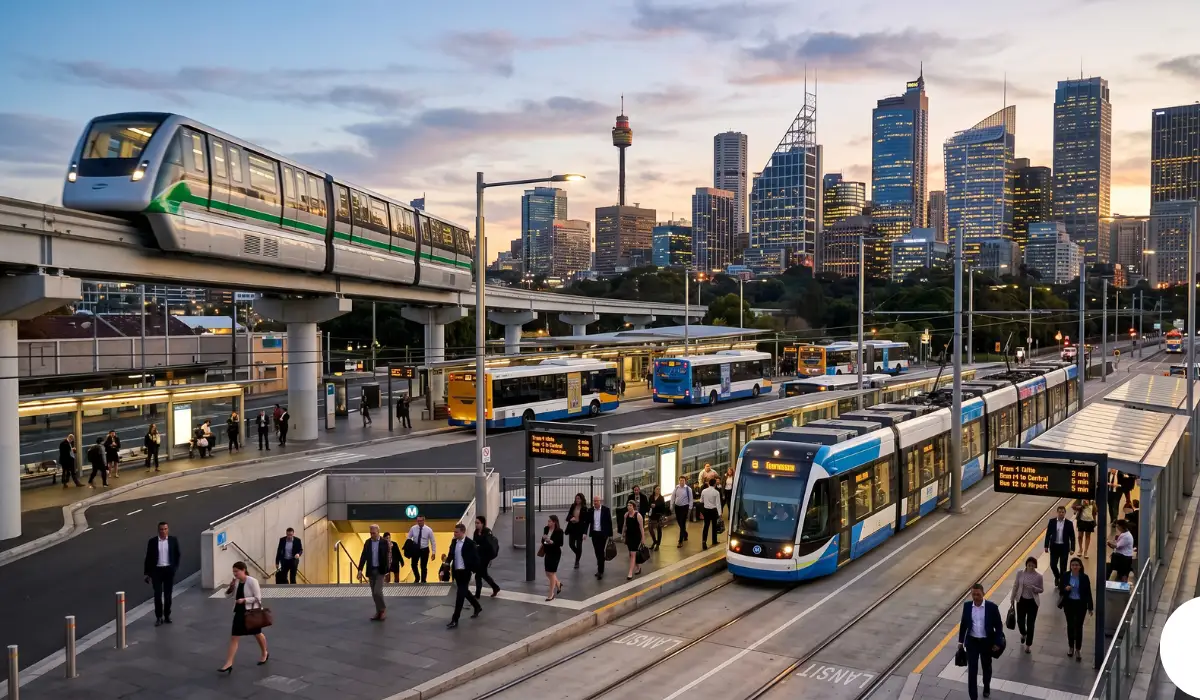
Another quiet budget, killer? Transportation habits. Taxi is everywhere. Right for short distance. Airport transfer booked at premium rate. Smart traveller pause and look at option. Public transport.
You Must Also Like: Best Wildlife and Nature Trips for Family Bonding
Walking road. Day passes. Regional trains instead of short flights. Most cities are designed to be explode without a car. When you use what local use, you spend less and see more. Plus, you stop paying visitor prices for basic moment.
Why Experience Do Not Need to Be Expensive to Be Memorable?
There is a admit that the best experiences are the most expensive ones. They are not. Some of the most memorable travel moments cost and nothing. Walking through neighbourhood. Watching Sunset.
Local market. Free museum. Cultural events, local attend casually. Smart travellers mix One or two per highlight with the simple experiences. They do not book every tour offered. They live space for discovery . That is what makes trips feel cheaper.
Booking Earlier Is Not Always Smarter
People often assume booking early always save money. Sometimes it does. Sometimes it does not. Smart travellers understand the patterns. Flight fluctuates. Hotel urges price is based on demand.
Last-minute deals can exist, especially outside peak season. Instead of panic booking, they monitor prices. They compare. They wait when it makes sense. They book when value feels right – not just because a Calendar tell them to.
The Power of Repeating Destinations
Here is something people do not realise. Travel gets cheaper when you revisit places. You already know Transport Road. You know where to eat. You do not fail into this trap again. You understand neighbourhoods.
Smart travellers return to places they loved and each time – they spend less while enjoying more. Similarity turns into efficiency. New destinations are exciting. Familiar ones are affordable.
Why Travel Rewards Are Helpful, but Not the Real Secret?
Points and miles. Cashback helps. Travel cards help. But they are not the main reason. Smart traveller save money. The real saving comes from the behaviour bounces.
From choices made repeatedly. From habits that avoid unnecessary pending before rewards even matter. Rewards amplify smart decision. They do not replace them.
How Smart Travels Think About Money on the Road?
They do not obsess over every dollar. They just avoid waste. They spend intentionally. They know when escape. The value comfort not access. Experience not high. That mindset is what allows them to travel more without feeling guilty afterwards.
Frequently Asked Questions
Do smart travellers. Avoid expensive cities?
No. They visit them differently.
Is budget travel, uncomfortable?
Not when done intentionally. Comfort and cost are not opposite.
Does flexibility really save that much?
Yes. More than most people expect.
Is eating local food always cheaper?
Always almost and usually better.
Can anyone travel this way?
Yes, it is about habits not income.
Conclusion
Smart travels do not chase cheap destinations. They remove unnecessary costs from the destination. They already love each other. They travel at a better time. They stay flexible. They eat smarter. They move like locals. They repeat what works.
Over a year, these choices add up to 2000 saved – without changing Where they go. Travel does not become cheaper by accident. It becomes cheaper when you stop paying for the things that do not actually make the trip better. And once you travel this way, it is hard to go back.