You might think you know Italian food and wine, but seeing it on TV is nothing like tasting it for yourself. I learned this the first time I rolled fresh pasta dough in a warm kitchen, glass of Chianti beside me, with a chef correcting my every move. If you crave real flavor, packed lunches and pizza slices won't cut it. Wine and cooking tours in Italy are where food dreams come trueminus the stuffy restaurant rules or endless museum trips your feet barely survive.
What Are Wine and Cooking Tours in Italy, Really?
Forget crowded buses and bland hotel meals. Wine and cooking tours in Italy are hands-on adventures. You're blending the best parts of travel: exploring local food markets, sipping wines in ancient cellars, and getting flour in your hair as you cook with chefs who treat you like family. These aren't tourist traps. They're a deep dive (without the buzzwords) into real Italian life, one bite and sip at a time.
- Italian wine tours take you to tiny producers, not just famous names.
- You join Italian cooking classes where grandmas might outcook celebrity chefs, and you're right there, learning their tricks.
- Some culinary tours Italy mix both: taste wine, cook, eat, repeat.
Why Bother With Food and Wine Experiences in Italy?
If you want pictures for Instagram, you have options. But if you want storiesand maybe recipesthese tours are for you. Here's what makes them so special:
- You actually taste the difference between mass-market wine and small-batch bottles poured by the person who made them.
- You pick up skills: how to toss pasta, knead dough, or recognize olive oil that's the good stuff.
- The people. Farmers, chefs, and fellow travelers become your dinner companions, not just faces in a crowd.
I still laugh thinking about the time I tried to fillet a fish in Sicily and the chef kindly took over before I turned it into mush. That's the magic: you mess up, you learn, you eat well anyway.
What Do You Actually Do on a Wine and Cooking Tour?
No two tours are the same, but heres what your days might look like:
- Wake up to strong Italian coffee and views of rolling hills or a busy piazza.
- Head to a local market with your guide, learning about tomatoes that smell like summer.
- Join a cooking class: Forage for truffles, shape ravioli, whip up tiramisu, or master soffritto (the holy trinity for Italian cooks).
- Visit a vineyard, chat with the winemaker, sip straight from the barrel, and snack on fresh cheeses.
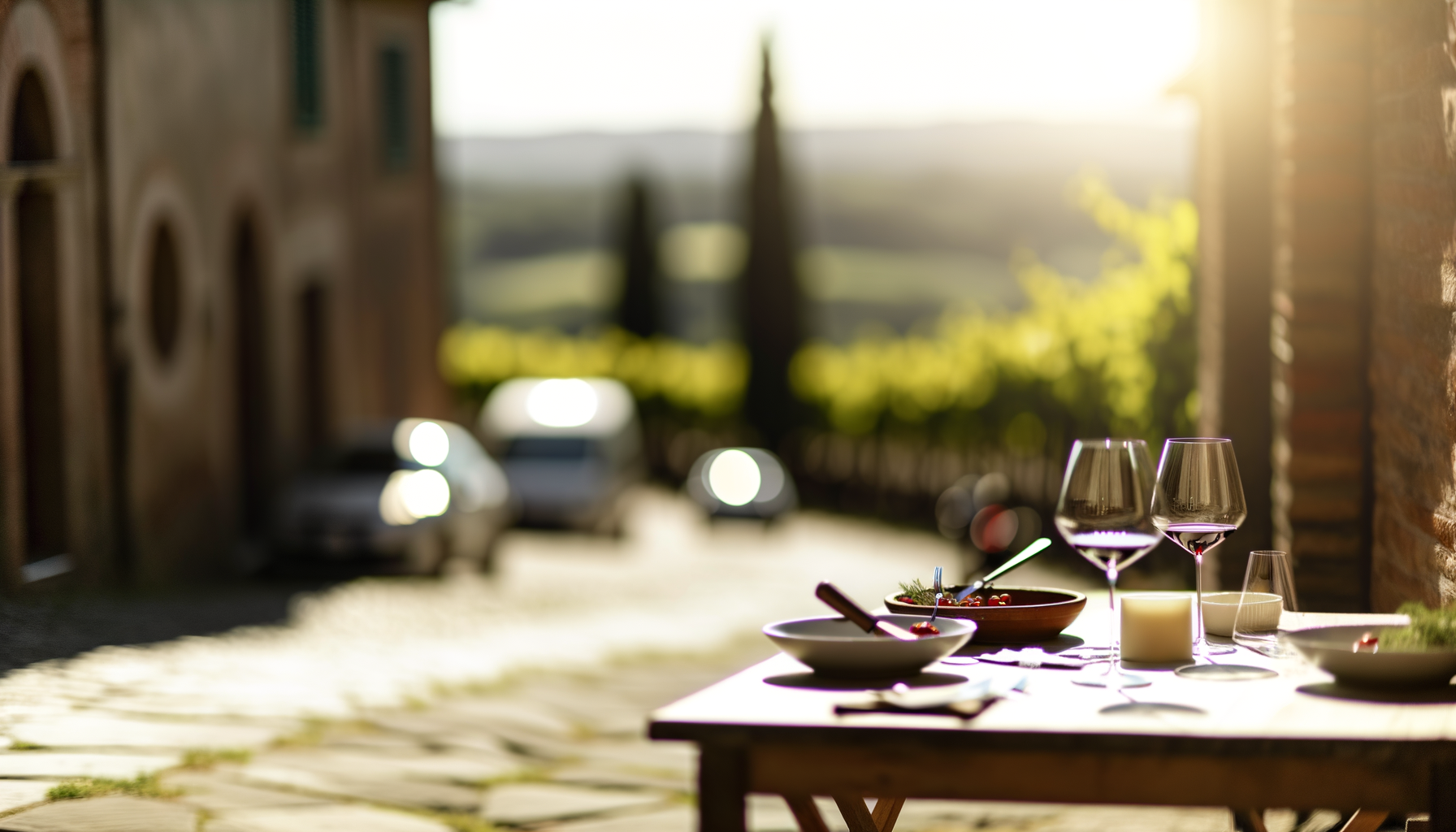
- Share long, chatty lunches with new friendssometimes in candlelit wine cellars, sometimes at a rustic farmhouse table.
Some days might focus more on wine tasting in Italy, while others load up on hands-on cooking. Most tours balance food and wine, blending variety with local tradition.
Does Region Matter? (Spoiler: Yes, a Lot)
Italy isnt one-size-fits-all. Here's what you get in different places:
- Tuscany: Famous for reds like Chianti and bold country food. Expect hills, castles, and family-run estates.
- Piedmont: Home of Barolo and truffles. Food is hearty, and wine tasting is serious business.
- Sicily: Sweet Marsala wines, fresh seafood, and lively street markets. More spice, more sunshine.
- Amalfi Coast: Limoncello, seaside cooking, and pasta so simple but so memorable.
Picking a region means picking the kind of food, wine, and scenery you want in your vacation slideshow. Each spot has its own flavor (literally).
How to Pick the Best Wine and Cooking Tour for You?
It's easy to get overwhelmed by choices. I've done trips that went great and one that tried to squeeze too much in (I left so full I couldn't taste for days). Here's how to choose smart:
- Decide: more wine or more cooking? Some tours are wine-heavy, while others have you cooking every day.
- Check group sizes. Small groups feel more personal. If you want to make friendsor just want the chefs patiencethis matters.
- Look for hands-on classes, not just demos. You want to get messy.
- Ask about whats included: Meals? Transport? Wine with lunch? Surprises can be fun, but not if youre left out of pocket.
Bonus tip: Dont pick the cheapest option. A few extra euros often means better food, nicer stays, and actual winemakers as guidesnot part-time students reading from a brochure.
Common Mistakes: What Can Go Wrong?
- Overpacking the itinerary: If there are four activities a day, youll be too tired to enjoy good wine.
- Not checking dietary needs: Most tours can adjust recipes, but let them know in advance.
- Assuming all wine is the same: Its not. Let yourself try new kinds, even if you think you hate reds or don't understand fancy labels.
Will You Like a Wine and Cooking Tour in Italy?
Ask yourself: Do you love slow meals, stories, cooking (even if you're bad at it), and trying new things? These tours are for people who value experiences over souvenirs. You dont need skillsjust curiosity and an appetite for adventure.
Honestly, the first pasta I shaped looked like a toddler made it. No one cared. We laughed, drank wine, and ate together. That's what you'll remember.
What Should You Bringand What to Leave at Home?
- Comfy shoesmarket streets and vineyards arent gentle on your feet.
- An appetite (starve yourself at breakfast if needed, you'll make up for it at lunch).
- Your sense of humorsome of your dishes wont look like the chef's. Thats okay.
- An open mind for trying new ingredients or food pairings.
Leave behind expectations of perfection. If you show up ready to learn, youll have the best time.
Ready to Book? Final Takeaways
Heres what youll get out of choosing a wine and cooking tour in Italy:
- Real skills you might use at home (even if its just chopping onions with style).
- Unforgettable food and wine experiencesmuch more than any restaurant meal could give you.
- Stories, laughs, and a few recipes to show off when you get back.
So, if Italy is calling your name and you want more than sightseeing, put these tours on your list. Your taster buds (and Instagram feed) will thank you.
FAQs
- What's included on most wine and cooking tours Italy offers?
Most tours include hands-on cooking classes, wine tastings, meals, market visits, and sometimes transport or accommodations. Always check details, but you can expect to eat, drink, and learn plenty each day. - Are Italian wine tours good for beginners?
Absolutely. Italian wine tours are made for anyoneno wine snob knowledge needed. Guides tell you what to look for, and there's no pressure if you can't tell the difference between bottles. You just get to taste and enjoy. - Do I need to speak Italian for cooking classes?
Nope. Many Italian cooking classes are taught in English. You'll pick up a few Italian words, but you won't get stuck. Smiles, gestures, and a little wine help everyone understand. - Are culinary tours Italy expensive?
It depends on the region and the type of tour. Some start at affordable half-day classes, while luxury trips cost more for private chefs and high-end wineries. Set your budget first, then look for tours that fit. - Is it okay to travel solo on these tours?
Yes. Many solo travelers join food and wine experiences in Italy, and it's a great way to make friends. You'll share meals and stories with people who love food as much as you do. - Can I do just wine tasting Italy, without cooking classes?
Definitely. Plenty of tours focus on wine tasting alone, while others mi both cooking and wine. Choose what's right for your interestand appetite.