No one wakes up and says, 'I want to see generic stuff.' Travelers want stories they can taste. This is where culinary tourism marketing comes in. Some call it food tourism, others say gastronomy travel. Either way, it's more than snapping a meal for Instagram. It's how the right plate in the right place makes people come back for more. Missing this angle means missing out, big time. This guide shares practical ways to turn your food into your region's secret marketing sauce.
What is culinary tourism marketing anyway?
It's telling your food story so people want to visit, eat, and brag about it. Think pizza in Naples or tacos in Mexico City. It's about drawing visitors in with dishes they can't get anywhere else.
- Spotlighting unique local flavors
- Mixing food, places, and people into an experience
- Make visitors say, 'I've never tasted that before!'
This isn't about big budgets or celebrity chefs. It's about sharing what makes your local food different, even weird. Brag about grandma's soup. Show off your morning market. That's what visitors remember.
Why does food tourism promotion matter?
Food isn't just fuel. It's a travel memory. When someone loves the food, they share the experience with friends. That means free marketing you can't buy. People are searching for places that offer something special to eat. If you don't show off your food, someone else will.
- Brings new types of travelers
- Boosts slow seasons (people eat year-round!)
- Gets locals talking about their town
I once watched a small town in France go from quiet to packedall because of one festival celebrating local cheese. Word spread fast. Now their cheese is everywhere on social media.
What actually works for culinary travel branding?
Heres whats real: Photos of perfect plates are boring now. People want a story. They want to see farmers, hear about wild recipes, or watch noodles getting pulled in an alley. Branding your areas food scene is about who you are, not who you wish you were.
- Share real faces: Cooks, vendors, farmers
- Use imperfect, honest photos (the messy kitchen, the sizzling grill)
- Focus on your strengths: Maybe your bakery is old-school; flaunt it
Your brand is what people say about your food when you're not in the room. Get them saying, 'You have to try this weird breakfast dish. Trust me.'
How do you start a food tourism promotion from scratch?
Dont overcomplicate it. Talk to your locals: What food are they proud of? Ask visitors: What wowed them? Start with:
- Spotlighting one or two special dishes or drinks
- Running tiny walking tours, even for friends at first
- Sharing behind-the-scenes on your social media
I helped a street taco stand in Texas post short reels of tortilla flipping and spicy salsa making. They went from a quiet lunch spot to a 'must-visit' food stop, thanks to curious travelers sharing the visuals.
What are the common mistakes in food tourism strategies?
- Faking authenticity: People smell a phony story from a mile away
- Copying big cities: Your town's charm is only yoursdont lose it
- Ignoring locals: Theyre your best ambassadors
- Confusing price with value: You dont have to go fancy. Simple is good if its good food
One town spent thousands on fancy branding before actually supporting their little bakeries and market sellers. Tourists noticed the disconnect, and the fancy logo meant nothing. Keep it honest and people show up.
What about restaurant tourism marketingdoes it really work?
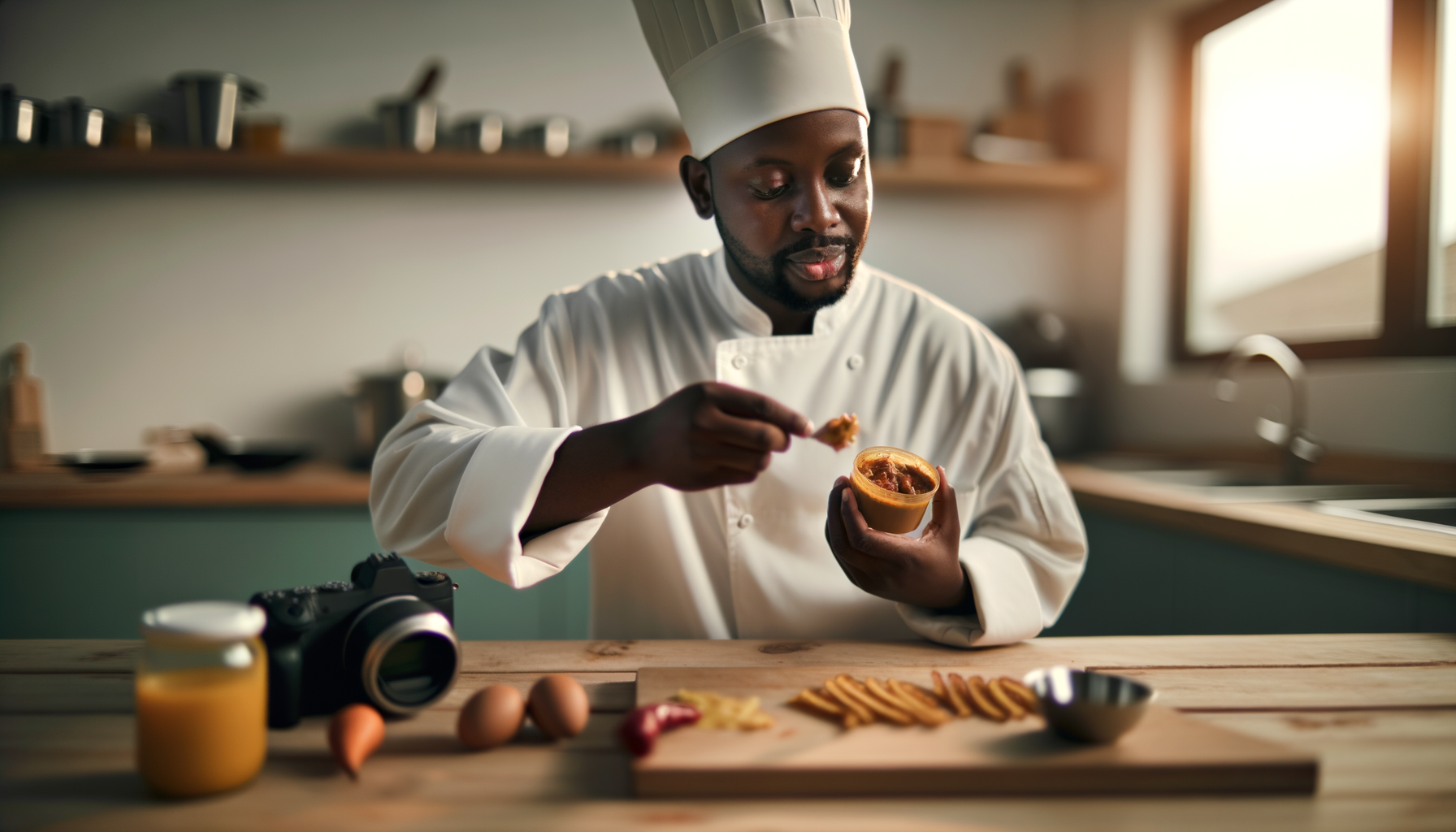
Yes, if you do it right. Restaurants dont sell food, they sell connection. The trick isnt a huge ad campaign. Its letting people peek behind the curtain. Show cooks laughing, tell stories of grandmas recipes, or explain why you use local fish instead of imported stuff.
- Invite local bloggers or regulars for a kitchen tour
- Let staff share their favorite dish and why
- Host themed nights tied to festivals or local stories
One mini-bistro I know started putting personal notes from the chef on every table. People felt at home. Bookings filled up. Word traveled much faster than expected.
Five easy food tourism strategies you can steal
- Ask visitors to snap and tag their best food picsgive the winner a free meal
- Create a simple local food map for walking (print it cheaply, hand it out anywhere tourists go)
- Let cooks or farmers host quick demos during markets or festivals
- Bundle food with other stopslike chocolate tastings during art walks
- Share mistakes and behind-the-scenes fails: People love honesty
Food tourism planning doesn't need to be complicated
Ive seen places get stuck planning for months. Meanwhile, hungrier towns start small and win big. You can try something tiny next weekendsee how people react and tweak from there. Big things grow from small steps.
What if my area isn't famous for food?
Doesnt matter. Every place has something worth sharing. Maybe its craft soda, weird candy, ancient bread, or a spicy sauce. If your local food comes with a story, people will care. And theyll tell their friends.
- Dig into local traditions or forgotten recipes
- Even one quirky snack is enough to start with
- Ask older locals to share food storiesrecord them, post the best parts
Wrapping it up: Why food brings visitors back
The best travel memories are tied to food. If you show whats honest, a little messy, and full of flavor, youll stand out in all the right ways. Start where you are, use what youve got, and invite everyone to the table. Try a small event, share a real story, or let people watch their food being made. Your next loyal visitor could be one bite away.
FAQs: Culinary Tourism Marketing, Answered
- How do I start promoting my restaurant to food tourists?
Start by telling your story honestlywhy your food is different, what makes you proud, and whos behind it. Use photos and short videos from your kitchen. Offer something special for first-time visitors, like a menu tasting. Dont worry about being perfect; real is better than fancy. - What if my town has little food historycan we still do culinary tourism marketing?
Yes! Every town has a food story, even if its new. Highlight local favorites or quirky snacks. Ask people what dish they remember eating as a kid. Build from there. All you need is a good story and something tasty to offer. - Do food festivals help with tourism marketing?
Theyre great when done right. Festivals let visitors taste lots of dishes and meet the people behind the food. Start smalla chili cookoff or bread day can bring lots of buzz and attract attention, especially if locals help spread the word. - How can small towns compete with big cities in food tourism?
Focus on what makes you unique. Big cities have variety, but you have authentic stories, local flavors, and less crowds. Show how your dishes are connected to local life. Travelers want a real experience, not just another burger joint. - What's the best way to use social media for food tourism promotion?
Share behind-the-scenes moments, not just pretty foodie shots. Let cooks and customers talk. Use fun hashtags with your towns name and special dishes. Respond to comments and encourage visitors to tag your spot. Honest, quick videos work well too. - Is it okay to copy another towns food strategy?
Borrow ideas, but put your own local spin on them. What works for a seafood town wont work the same in a mountain village. Be true to what makes your food scene different, and ask locals for fresh ideas.