Ever come back from a trip and realize sure, you saw the sights, but can't remember a single meal? That's a miss. Because travel memories always taste better when theres flavor involved. Thats the secret sauce of culinary travel adventureswhere every day has a menu, not an itinerary.
On these trips, you get to eat like a local, cook with real chefs, and try foods you wont find back home. If youre tired of staring at cathedrals and ready for pasta-making classes, street food nights, and backyard barbecues in someones actual backyard, culinary travel might be your ticket. Heres how to plan an unforgettable food-centered trip (without getting overwhelmed by all the choices).
What Are Culinary Travel Adventures, Really?
Culinary travel adventures arent just about eating in fancy restaurants. Its the whole food scenethe back-alley noodle shop, the bustling morning market, the grandma rolling dough in the kitchen. Its food tourism done right, and the stories you bring home taste better than any souvenir.
- Hands-on cooking classes (think pizza in Naples or spice pastes in Thailand)
- Visiting farms or vineyards to see and taste where food comes from
- Joining food festivals or seasonal harvest events
- Guided food tours by people who grew up in the area
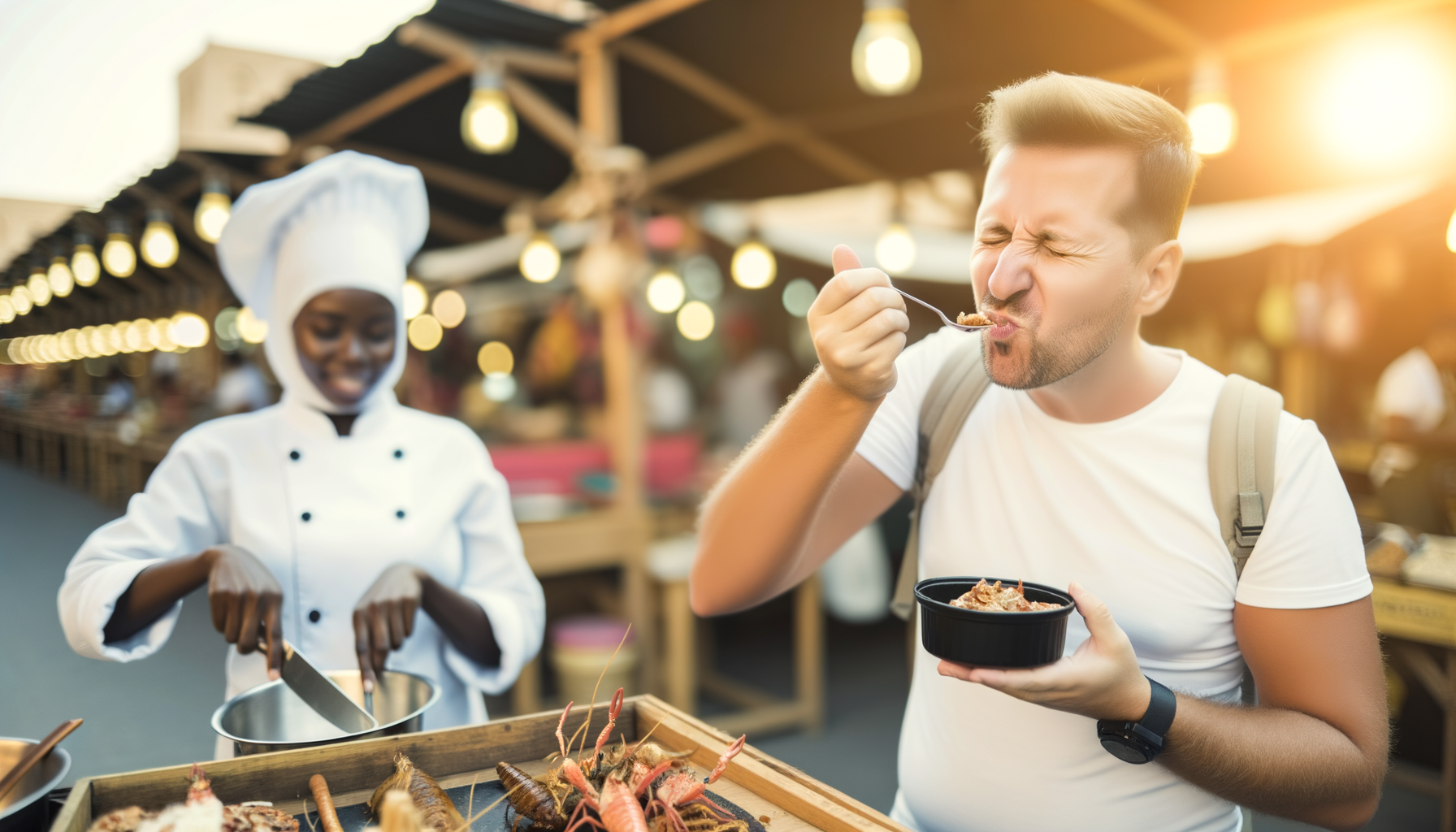
- Trying street food youve only seen on TV
Why does it matter? Because you'll actually get what makes a place uniqueits flavors, smells, and messy kitchen traditions. Trip pics fade, but the memory of that bowl of spicy noodles hits every time you try to recreate it at home.
Why Food Tourism Beats Generic Sightseeing
Lets be honest: Most trips blur together after a while. But food travel experiences sticka perfect croissant in Paris, spicy tacos in Mexico, or fresh-caught sushi in Japan. The right bite can change how you remember a city forever.
- Eating local helps you really connect to a culture
- Food breaks language barriers faster than any app
- You get into places tourists never see
- Trying new flavors adds excitement (and a story to brag about)
Bonus: Great trips dont all look the same. You set your levelstreet eats, home-cooked meals, or Michelin stars.
Not Sure Where to Start? Heres How to Pick Your Culinary Adventure
The worlds kitchen is huge, so start with what you love. Are you obsessed with pasta? Italy beckons. Dreaming of bold spices? Southeast Asia is calling. From hands-on lessons to eating with locals, here are some easy starting lines:
Choose Your Vibe
- Laid-Back Foodie: Book a market tour or wine tasting. Youll taste a bunch but still have chill downtime.
- All-In Cook: Find a vacation with daily classes or a week at a culinary school abroad.
- Explorer: Hop on street food tours and join community dinners that pop up in neighborhoods.
Set Your Budget
- Street food and local markets make gourmet travel affordable
- All-inclusive culinary vacations deliver a premium (but stress-free) foodie experience
- DIY: Mix cooking classes with your own restaurant hopping to control costs
Dont worry about doing it right. Trust your taste buds, and your sense of adventure will follow.
Whats a Typical Day on a Culinary Tour?
Culinary tours are way more than eating out three times a day. Picture this:
- Wake to coffee and a walk through a bustling market
- Try local pastries and ask sellers about their favorite stalls
- Spend the morning with a chef, learning the regions cooking secrets
- Share the meal you just made (with new friends!)
- Afternoon: Sample snacks, visit a food producer, or sip local drinks
- Evening: Eat somewhere locals love, not where the guidebooks send you
The best part? Most tours still leave room for wandering on your own. Because sometimes, the best meal is the one you discover by accident.
Common Mistakes First-Timers Make (And How to Dodge Them)
- Overbooking: You dont need to eat every meal somewhere famous. Pace yourselfor youll need more stretchy pants than souvenirs.
- Skipping local guides: Only a real insider knows where the magic happens (and which street food wont wreck your day).
- Forgetting food allergies or diet needs: Always bring a translated card for your restriction or learn a few key local words. Trust me, it saves stress.
- Not budgeting for surprises: Sometimes that once-in-a-lifetime meal pops up. Leave some wiggle room.
It's easy to think gourmet trips are all luxury, but anyone can plan one that fits their styleand yes, still try something totally new.
How to Make the Most of Your Food Travel Experiences
Every trip teaches you something new, if you let it. Heres how to make every bite and every moment count:
- Ask questionseven if your language isnt perfect
- Say yes to things you cant pronounce (unless youre allergic!)
- Write down your favorite bites and how they made you feel
- Share mealstasting more things is always more fun with friends
- Bring recipes home and invite people over
Remember: The real souvenir is the story youll tell over dinner later. And the skills you learn (like folding dumplings or making sauce from scratch) last way longer than a plane ticket.
FAQ: Your Culinary Travel Questions Answered
- What exactly is a culinary travel adventure?
Culinary travel adventures mean building your trip around tasting, cooking, and learning about local food. Its more than eating outits joining food tours, taking classes, meeting local chefs, and letting food shape each day. You get real-life stories, not just photos. - Can you enjoy a foodie trip on a tight budget?
Absolutely. Some of the best culinary experiences come from street food stalls, local bakeries, and markets. You dont need to spend big on fancy restaurants. Focus on tasting what's unique to the area and talk to locals for budget-friendly tips. - Are culinary vacations family-friendly?
Yes. Many food tours and cooking classes are designed for families or offer versions for kids. You can find pizza-making, chocolate workshops, and farm visits that get everyone involved. Just check age recommendations before you book. - Whats the best way to find authentic food tours?
Look for local guides with great reviews (not big travel companies). Ask friends whove traveled, check travel blogs, or look for tours run by chefs. The best tours are small, personal, and focus on local dishesnot just the tourist spots. - What gear or prep do I need before going on a culinary trip?
Bring a small notebook to jot down recipes and flavors. Pack comfy shoes (theres a lot of walking). It helps to learn a few key food words in the local language, and always check if you need reservations during peak seasons. That way you wont miss the good stuff. - Are there any risks with trying new foods while traveling?
Always trust your gutliterally and figuratively. Try new things, but choose busy places with a good reputation. If you have allergies or medical issues, bring a translation card. With a bit of caution, you can safely explore and still have fun.
Bottom line: Let your travels feed your curiosityand your stomach. Start small, dive in, and youll find that the best part of a trip is often at the end of your fork. Ready to start planning your own culinary adventure? Book that trip and let the flavors do the rest.