Ever looked at a bowl of pasta and thought, 'There's no way I could make that'? You're not alone. Loads of us love Italian food, but the idea of kneading dough or making a sauce from scratch sounds like a big leap from heating up store-bought pizza. Now imagine this: You're standing in an old Italian kitchen, flour on your hands, sizzling tomatoes in the pan, and a friendly nonna showing you every step. That's what cooking holidays in Italy are about. It's not just a trip. It's getting hands-on with flavors, stories, and skills you'll keep long after you leave.
What Are Cooking Holidays in Italy Anyway?
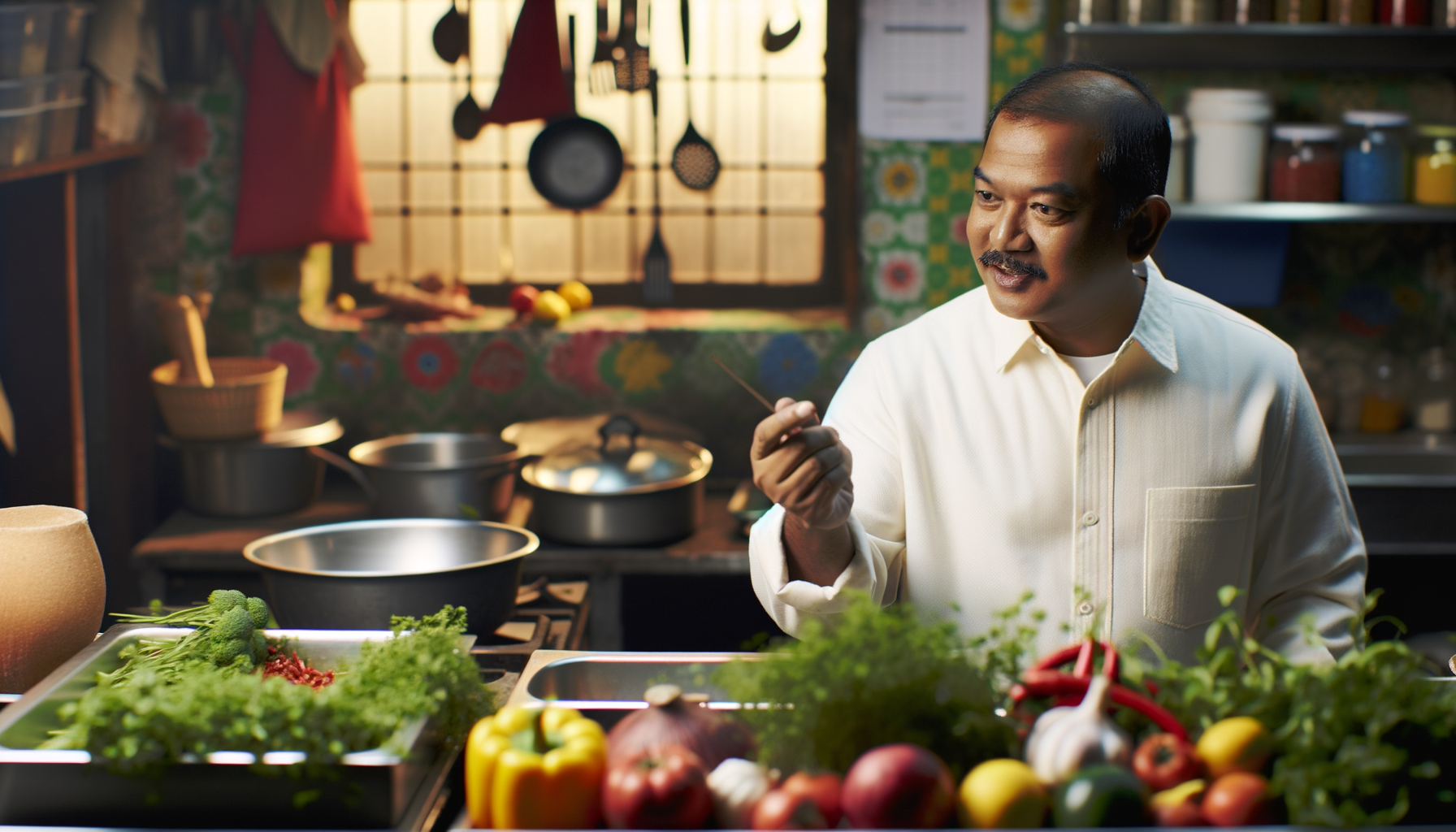
Cooking holidays are pretty much exactly what they sound like. Instead of just eating Italian food in restaurants, you actually learn how to make itfrom the pros. You stay in beautiful places, take daily Italian cooking classes, and sometimes even wander local markets or pick herbs in a garden. It's hands-on, honest, sometimes messy, and nobody cares if your first gnocchi comes out weird-shaped. The point is to try, taste, and take new skills home.
- Stay in villas, farmhouses, or even city apartments
- Small group or private classes for all levels
- Learn classic dishes: risotto, pasta, tiramisu, and more
- Explore markets with local guides
- Pair meals with regional wines
Why Do People Go on Culinary Vacations in Italy?
For a lot of people, food's the center of the whole Italy experience. But there's something extra about learning to cook here. It's:
- About connectionnot just recipes, but people, places, and traditions
- A little tour, a little class, and lots of tasting
- Way more fun (and useful) than just reading a cookbook or watching YouTube
Some sign up for Italian food holidays because they're total beginners and want to learn from scratch. Others already cook and want new tricks. No matter where you start, you'll finish with a serious upgrade in your kitchen confidence.
What Happens on a Typical Italian Cooking Tour?
Cooking tours in Italy come in all shapes and sizes, but the basics go like this:
- Morning: Breakfast and fresh coffee at your place
- Late morning: Head to a market or farm to shop for ingredients
- Cooking class: Chop, stir, laugh, mess up, start againit happens
- Lunch: Eat what you made (and yes, it's better because you cooked it)
- Afternoon: Time to chill, sightsee, maybe another class or a wine tour
- Evening: Relaxed dinner, good wine, and stories with new friends
The best part? Every region has its own flavors and food traditions. Make pesto in Liguria, roll out pasta in Tuscany, taste olive oil in Puglia, or learn sweet cannoli in Sicily.
Picking the Right Cooking Holiday For You
Not all culinary vacations in Italy are the same. Some are super focused on cookingthree classes a day, tons of technique. Others mix in sightseeing, wine tours, or even cycling. Here's how to find your fit:
- Ask yourself: Are you here to cook first, or explore and relax?
- Look at group sizesmaller usually means more hands-on time
- Check the skill level. Beginners and experts need different things
- See what's included: Are meals, tours, and wine part of the deal?
- Read reviews for honest takes (especially on the instructors)
Pro tip: Some places offer family-friendly options or even tailor classes for kids and teens. The best cooking tours Italy offers are up-front about what's hands-on, what's demo, and what's just eating (hey, that's important too).
Will You Actually Learn to Cook in Italy?
Short answer: Yes, if you want it. Italian cooking looks simple, but getting the little details right makes all the difference. The instructorssometimes professional chefs, sometimes passionate localsare used to all skill levels. They show you, then let you jump in. You'll slice, taste, mess up, laugh, then try again. By the end, you won't just watchyou'll know how to season, how much flour actually goes into real pasta dough, how to spot the perfect tomatoes, and how to make a sauce with what youve got.
What Can Go Wrong?
- Embarrassment about not knowing anything (everyone starts somewherereally, nobody cares)
- Burnt bread, lumpy sauce, or weird-shaped pasta (fix it or eat it anywayit still tastes good)
- Language mix-ups (but food is universal and most instructors speak some English)
- Too much foodyes, it's a real problem, but also a good one
Honestly, the only 'fail' is missing out because you were nervous. Most travelers say the hands-on parts are their favorite, even if messy. Messy means tasty.
How Much Do Italian Cooking Classes and Food Holidays Cost?
It depends on a few things: location, length, and whats included. You can find budget half-day cooking classes in big cities, or full-blown week-long farm stays with meals, tours, and more. Heres a quick rundown:
- Half-day class: Usually $70-$150 (single dish or a full meal)
- One-week cooking holiday: $1,600-$3,500 per person (lodging, food, classes, sometimes tours)
- Wine tours and extras: Sometimes included, sometimes add-ons
Remember, youre not just paying for food. Youre getting skills, recipes, and an experience that sticks.
Who Are Italian Food Holidays Best For?
They fit a lot of types. Beginners. Foodies. Solo travelers wanting to meet people. Couples looking for something special or families wanting a break from pizza places. Some come home wanting to host dinner parties, some just want to cook a simple Italian meal once a week. Both win.
- Travelers craving real connection
- Friends/groups marking a celebration
- People bored with regular tours
- Kids or parents who love playing with food
Whats the Real Takeaway?
Cooking holidays in Italy are for anyone who wants more than just photoswho wants to crack open a new skill, meet new people, and taste food they made with their own hands. Youll mess up. Youll laugh. Youll get flour everywhere. But youll leave with stories, recipes, and a whole lot more kitchen swagger.
FAQs: Cooking Holidays in Italy
- What should I pack for a cooking holiday in Italy?
Bring comfy clothes, closed-toe shoes for the kitchen, and maybe a notebook for recipes. Aprons and gear are usually provided. Pack stretchy pantstheres a lot of eating. - Are Italian cooking classes suitable for beginners?
Absolutely. Most classes are designed for all skill levels. Instructors show everything step by step. Dont worry if youve never chopped an onion before. - Can I book a private Italian cooking class or must I join a group?
You can almost always book private classes if you want one-on-one time, or join a group if you want to meet fellow food lovers. It depends on what you prefer and your budget. - Will I get recipes to take home after my culinary vacation?
Yes. Most places give you printed recipes or email them after class. Youll go home with the know-how and the cheat sheets. - Are these trips good for solo travelers?
Yes, especially if you like meeting people. Cooking together breaks the ice fast. Many solo travelers say these holidays are the most fun theyve ever had. - Do I need to speak Italian to join a cooking tour?
No. Most instructors speak English, and cooking is full of gestures and tasting. Youll pick up a few Italian words, but you dont need to be fluent to have a great time.
Try a cooking holiday in Italy for your next trip. Tastes better than any souvenirand youll get to relive it every time you cook back home.