You get home from vacation and people ask, "How was it?" If you answer with, "It was nice. We saw some things," it probably wasn't an experiential vacation. Most trips are a quick break from the grind. But the ones everyone remembers? The stories you tell five years later? Those are the trips where you did somethingnot just saw something.
What Are Experiential Vacations, Really?
Experiential vacations go beyond typical sightseeing. Instead of checking boxes and snapping photos, you get hands-on and dive into real-life moments. This could mean learning to cook local food, joining a traditional ceremony, or hiking to a village that's not even on Google Maps. It's about immersive travel experiences and building true connectionswith people, places, and yourself.
- You pick up new skills (like surfing or pasta-making)
- You end up with actual friends, not just souvenir magnets
- You might come home changedsometimes in small, sometimes in big ways
A regular trip can be fun. But these moments stick because you played a part in the story, not just watched it.
Why Do Experiential Vacations Matter?
Let's be honesta week at the same all-inclusive can blend together after a while. But what if your vacation made you think, grow, or surprise yourself? Research says that people who try adventure travel or other unique vacation ideas get way more satisfaction from their trips. You remember the taste of street food you learned to make. You feel the pride from making it up that tough trail. These memories don't fade.
- You break out of routines and see what you're capable of
- You connect with locals and fellow travelers
- You bring stories home you can't get from a brochure
Ever come home feeling you need a "vacation from your vacation"? With experiential travel, you might feel tired, but you won't feel empty.
How to Pick the Right Experiential Vacation for You
No two people want the same thing out of a trip. Some want transformative travelto figure something out about themselves. Others just want to shake up their routine. Here are some tips for finding what fits you:
- Write down what you wish a vacation would solve or change
- Decide if you want to travel alone, with friends, or with strangers
- Do a gut-check: Does an activity excite you or stress you out?
- Start smalltry one immersive experience and build from there
If you're someone who hates crowds, don't sign up for big group events. Love food? Choose cooking classes or farm stays. If you want a tough challenge, look for treks or volunteering trips. There are unique vacation ideas for every kind of traveler.
Examples: What Counts as Experiential Tourism?
You don't have to trek across the Sahara or meditate in a mountain monastery (unless you want to). Experiential tourism covers a huge range:
- Staying with a family and helping at their olive farm in Italy
- Joining wildlife researchers tracking turtles at night
- Learning salsa from a local dance teacher, not YouTube
- Cooking paella in someone's backyard in Spain
- Building houses or fixing trails in a small community
- Taking a painting class in a city you just met that morning
The key: You're not just a spectator. You're involved. You have stories that aren't in any guidebook.
How to Get Started: Planning Your Experiential Trip
This kind of travel can feel intimidating to book. Here are a few easy ways to get started so you don't get overwhelmed:
- Pick a place youre curious about, not just the top destination
- Read reviews with a focus on experience, not just amenities
- Start a conversationreach out to locals or hosts ahead of time
- Pack light and keep your plans flexible
- Sign up for one activity that scares (just a little) or excites you
The first time I tried this, I signed up for a weaving class in Oaxaca. Couldnt even sew a button before. Messed up my first scarf, but ended up laughing and trading recipes with the woman who taught me. Didnt make me a great weaver, but it made my tripand I still remember her name two years later.
Common Mistakes People Make
Lots of folks want an immersive travel experienceand some mess it up on the first try. Here are things to avoid:
- Overbooking: Packing your schedule with too many activities
- Sticking only to must-see attractions
- Trying to force every moment to be life-changing (it wont be)
- Skipping the research: Not learning basic local customs can backfire
- Keeping too much distance: If you dont talk to people, you miss the point
You dont have to get everything right. Staying open and flexible is more important than having a "perfect" trip.
Who Are Experiential Vacations For?
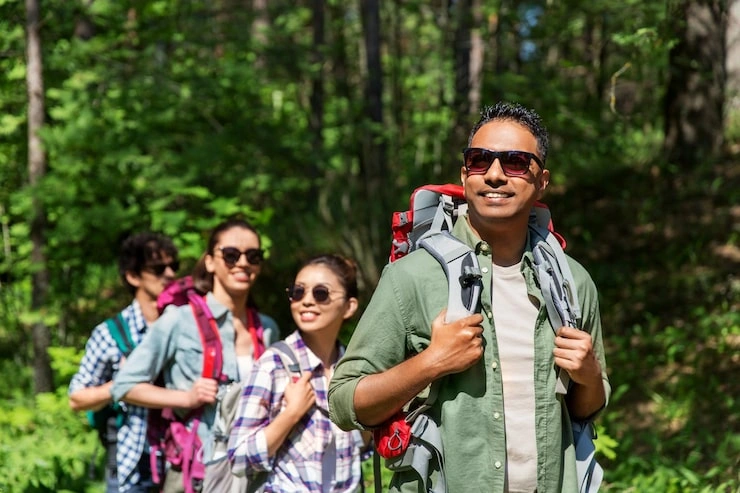
Short answer: Anyone. Even if youre a cautious planner or first-time traveler, experiential vacations can work for you. These trips suit different styles and ages. Want to keep active? There are group hikes and adventure trails. Need something quiet? Try an art or food workshop. Traveling with kids? Farmstays or local craft classes can be more fun than a typical theme park.
- Solo travelers looking for connection
- Families who want something to talk about back home
- Couples tired of the same dinner-and-a-show
- Friends needing a true story, not another selfie spot
There's no one-size-fits-all. The best trips are the ones that feel real, not rehearsed.
What If Things Don't Go As Planned?
Things will go sideways. You might miss a train. Food may be weird. You could sign up for a fishing class and never catch a fish. Thats fine. Some of the best stories come from the messy parts. Being flexible is part of the experience. Bring snacks, laugh off mix-ups, and don't stress about being perfect. That's where the adventureand the best memoriesbegin.
Real Talk: What Do You Get Out of Experiential Travel?
You gain more than a tan or some new Instagram posts. You come home with:
- New skills (that you might actually keep using)
- More confidence to try things at home
- Perspective from stepping into someone elses shoes
- Stories that go beyond "the view was nice"
Next time someone asks how your trip went, youll have stories that make people want to try something new, too.
Ready to Try An Experiential Vacation?
No need to wait for the "right time" or the perfect group of friends. Start small. Sign up for one local class even if youre traveling close to home. Or go big, book that bucket-list workshop, or hiking trip filled with strangers who could be new friends. What matters most is that this time, you do somethingnot just see something.
Take a step. Pick one activity that makes you a little nervous (thats usually where the good stuff is). Youll come home with memories that last way longerand maybe even a new part of yourself you didnt know was there.
FAQ: People Also Ask
- Whats the difference between experiential vacations and regular travel?
Experiential vacations get you hands-on. You join in, learn, and connect, not just watch from the sidelines. Instead of seeing a landmark, you bake bread with locals or help with a festival. You come home with a story, not just a selfie. - Are experiential vacations expensive?
They dont have to be! Some are pricey, but lots are affordable. Community activities, cooking classes, or farmstays can cost less than big tours. You can ick what fits your budget by searching out local and small group experiences. - Do you have to travel far for a unique vacation experience?
Not at all. You can plan an immersive travel experience close to home. Try a new city nearby, a cultural festival, or a cooking class in your own town. Its about what you do, not how far you go. - What if Im shy or not adventurous?
No problem. There are lots of beginner-friendly options. Try a group art lesson, food tour, or museum sleepover. You dont have to go bungee jumpingstart with what feels interesting but not scary, and build from there. - Can families do experiential vacations with kids?
Absolutely! Many activities are great for kidsthink farm visits, cooking classes, or wildlife trips. Kids often love getting messy or learning by doing, so theyll be just as into it as the adults. - How do I find trustworthy immersive travel experiences?
Read reviews from other travelers. Reach out to hosts or guides directly with questions. Start with one or two activities to see how you like them before booking a whole trip. If in doubt, look for small groups and local-run options for a more personal touch.