If you love the smell of fresh bread or the first bite of a sweet croissant, you're not alone. Plenty of people want baking to be more than an at-home hobby. European baking vacations take it up a notchyou get a real-life, hands-on taste of the best breads and pastries, often right where they were born. Whether you dream of mixing your own French baguette dough or finally nailing the perfect flaky strudel, these vacations blend travel, food, and learning in all the best ways.
What Actually Happens on European Baking Vacations?
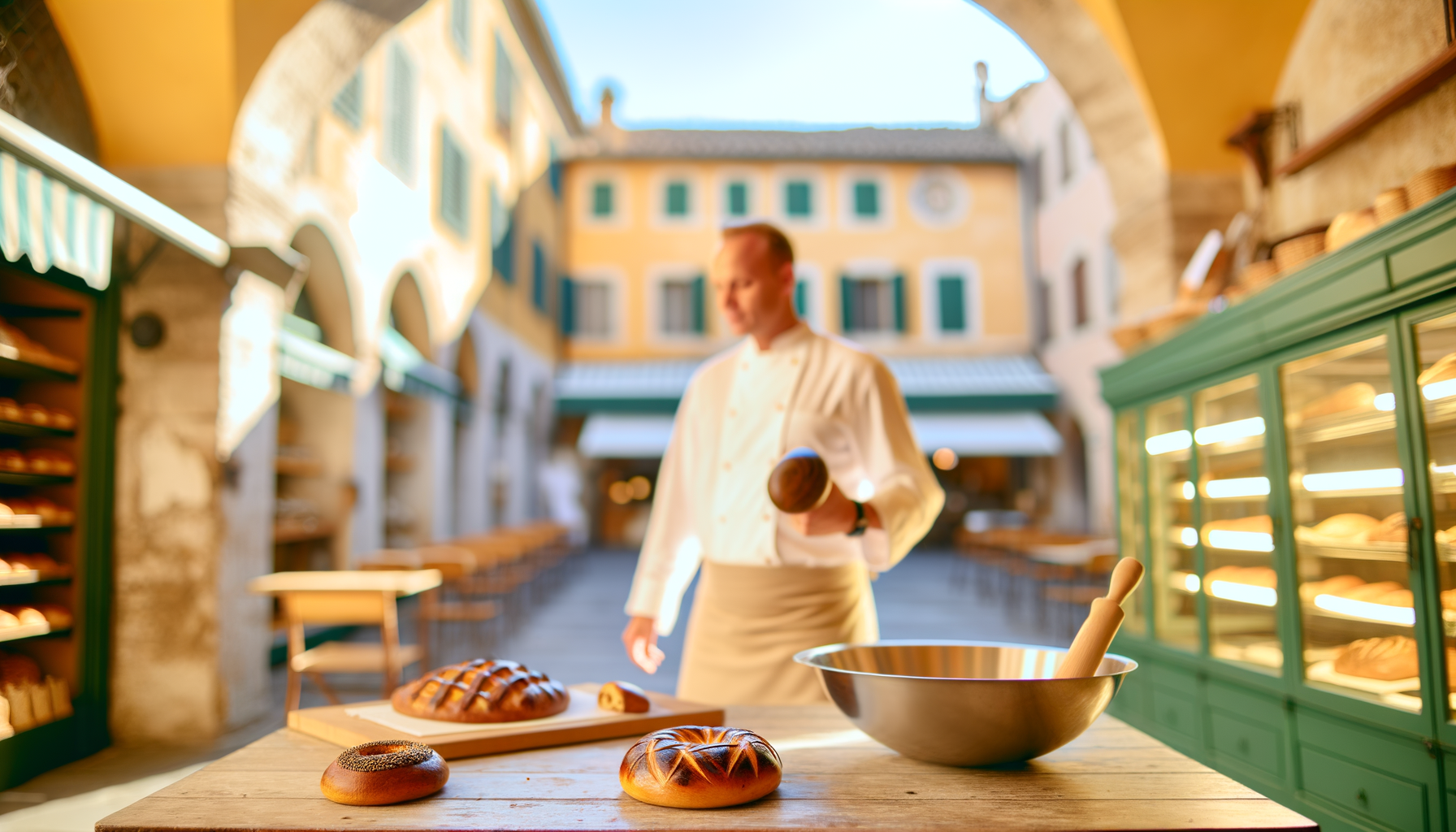
Think of these as culinary adventures mixed with sightseeing. Instead of just eating your way through Europe, you roll up your sleeves and join pastry classes. Most baking holidays in Europe include:
- Guided baking classes led by local experts
- Tours of classic markets, bakeries, and sometimes farms
- Free time for exploring, eating, and relaxing
- Plenty of tasting sessions (nobody leaves hungry)
It isnt just about copying recipes. You learn why bread tastes better in Paris or why Italian focaccia feels different than what you buy at home. The result? Your baking gets more authentic, your kitchen confidence goes way up, and your Instagram gets a major upgrade.
Where Are the Best Baking Tours in Europe?
No two baking tours in Europe are the same. What you choose depends on what you want to make and where you want to wander. Some favorites include:
- France: Paris is pastry heaven. Expect everything from crisp baguettes to towering gateaux. Rural regions teach old-school sourdough or fougasse.
- Italy: Tuscany isnt just about wine. Baking classes here focus on focaccia, ciabatta, and rustic cakes. If youre near Naples, try hands-on pizza workshops.
- Austria and Germany: If flaky apple strudel or hearty rye bread is your thing, these regions deliver. Vienna and Munich both offer small-group baking experiences.
- Portugal and Spain: Make pastéis de nata in Lisbon or learn Spanish tarta de Santiago. Often, classes are in cozy homes or tiny bakeries.
Most baking retreats in Europe are built for solo travelers, couples, or even families. Read reviews to find the right vibesome are serious about technique, while others feel more like a laid-back food holiday.
What Makes These Pastry Classes in Europe Special?
Some holidays are just cooking demos. Not these. You get hands-on help from prosoften bakers with generations of experience. Here's what stands out:
- You use local ingredientsoften picked up fresh that day
- Class sizes are small, so you get real feedback
- Language isnt usually a barrierchefs are used to guests from everywhere
Some retreat hosts add extras, like local wine pairings or farm tours. If you mess up your dough, nobody laughsthe point is learning, not perfection. Messy hands are part of the package.
How Much Experience Do You Need?
Zero. Most baking vacations in Europe are for absolute beginners and home bakers. Sure, there are advanced workshops too, but most people are there to have fun and do something different. If you can crack an egg and follow directions, youll be fine. Pros get the chance to dive deeper and swap baking war stories with local chefs.
Dont worry about keeping up. Everyone learns at their own pace. Youll finish every day with a treat you made yourselfwhich tastes better than anything you can buy. Nearly every baking holiday in Europe is about discovering something new, not showing off.
How Much Do European Baking Retreats Cost?
Theres a range, just like any vacation. Most group trips last 3-7 days. Expect to pay more for tours that include fancy stays or Michelin-starred guides. Average costs often cover:
- Baking classes and supplies
- Local accommodation
- Some or all meals (breakfast is almost always included!)
- Guided tours and tastings
Travel to the country isnt usually included, so budget for flights and extras like souvenirs or that one amazing bakery you stumble into on your own.
Tips for Picking the Right Baking Holiday in Europe
- Read reviewsnot just the 5-star ones. Look for feedback about the vibe, the teacher, and the class size.
- Decide what you want to learn. Is it all about croissants? Sourdough? Cakes? Some focus on one thing, others mix it up.
- Consider location. Do you want big city energy or a chilled-out village?
- Ask about whats included. Some charge extra for ingredients or excursions. A clear list saves surprise costs.
- If you have food allergies, check menus or ask if youll be able to join tastings.
Doing some research now saves headaches later. Most people end up loving their pick, but the extra planning means fewer letdowns.
Common Mistakes People Make (So You Dont Have To)
- Doing too much: Trying to pack in classes every single day leaves no energy to explore or just enjoy being there.
- Not checking the language: Most programs use English, but a few might not. Double-check before you go.
- Forgetting about seasonality: Some tours run only in spring or fall, when bakeries are less busy. Book early and confirm dates.
- Packing wrong: Bring comfy shoes and leave fancy clothes at homeyoull be around flour and chocolate all day.
- Skipping travel insurance: One fall on a wet bakery floor, and youll wish you had it.
It sounds simple, but these little details matter. A good trip feels relaxed, not rushed or stressful.
Is a Baking Vacation Right for You?
If you like bakingor wish you were better at ita European baking vacation is honestly worth it. You dont have to be obsessed with pastry or even super social. These trips are for anyone curious, open to learning, and happiest when eating what they made with their own hands.
Lifes short. Why not swap your next regular holiday for a trip where you join a baking class in a place thats famous for what you love to eat? Youll bring home way more than recipesyoull get stories, new friends, and memories that last longer than any loaf of bread.
FAQs
- What should I pack for a European baking vacation?
Pack comfy clothes you don't mind getting flour on, supportive shoes because you'll be standing a lot, and a notebook for jotting baking tips. Leave room in your bag if you want to bring home local baking tools or ingredients. - Is it okay to go solo on a baking holiday in Europe?
Definitely. Many people join these trips alone. You'll meet others with the same interests, and classes are usually small, so making friends is easy. It can feel less awkward than typical group tours since you have baking to bond over. - How long are most baking retreats in Europe?
Most last three to seven days. Some offer shorter weekend classes, but week-long trips let you really learn and explore. You can pick a length that fits your schedule and your baking curiosity. - Can I join a baking class if I have allergies or food restrictions?
Yes, but always tell your hosts before you book. Most are happy to adjust recipes or offer alternatives. Just be clear about what you can't eat, so there are no surprises. - Do I need to know the language in countries like France or Italy?
No, most baking classes for travelers are in English or have translators. Chefs know guests are from around the world. If you want, practicing a few words helps, but it's not required to join or enjoy the class. - Are European baking vacations family-friendly?
Some are! Double-check before you book, though. A few trips have age limits, while others welcome kids and teens. Ask what's included for families if bringing younger bakers along.
Ready to roll up your sleeves and turn flour into something special? Book a baking tour in Europe and make your next trip delicious.