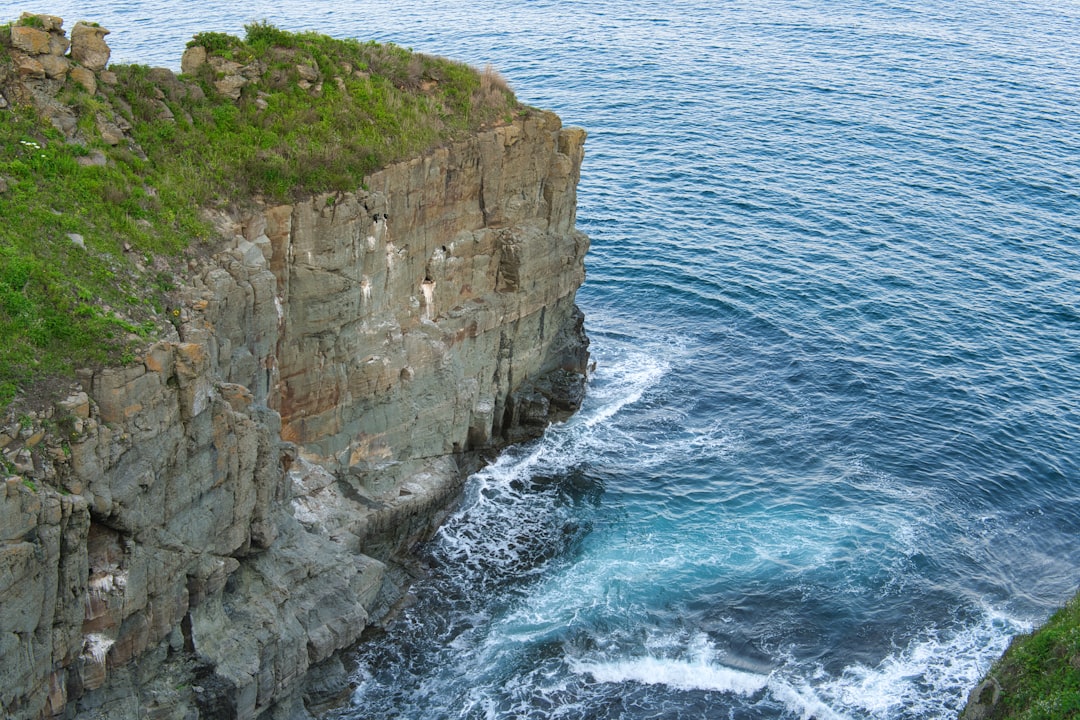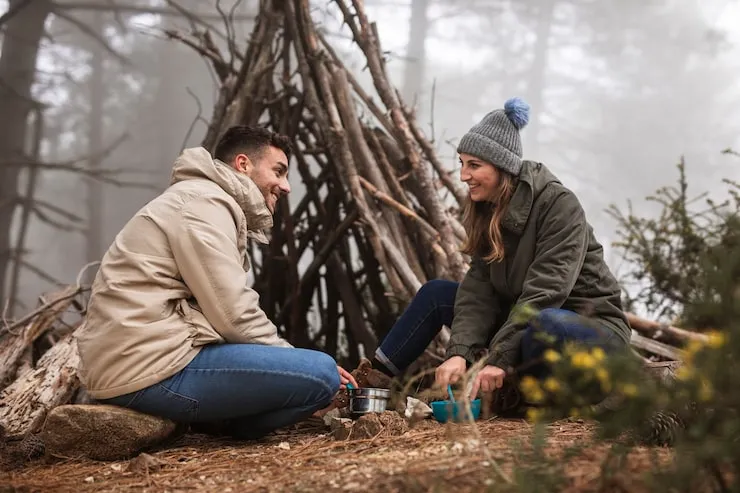
You see the picture-perfect camping photo: someone smiling by a pristine lake, mountains in the background. What you don't see are the five hours of planning, the practiced skills, and the carefully chosen gear in their pack that made that moment of peace possible—and safe. Without that foundation, the same scene can turn into a cold, hungry, and potentially dangerous ordeal.
Wilderness skills aren't about becoming a survivalist. They're about gaining confidence and competence, so you can swap anxiety for awe. Let's build your foundation in the four critical pillars.
Pillar 1: The Plan (Your Most Important Piece of Gear)
A good plan is what turns a potential crisis into a minor inconvenience. Never skip this.
The Rule of Threes: Tell Three People.
- WHERE you are going (specific trailhead, route, campground).
- WHO is in your group.
- WHEN you will return (and when they should call for help if they haven't heard from you).
The Itinerary & Research:
- Check the Weather Religiously: Not just for your town, but for the elevation and exposure of your destination. Mountain weather changes fast.
- Understand Regulations & Permits: Do you need a parking pass? A backcountry permit? A campfire permit? Check the managing agency's website (US Forest Service, State Parks, etc.).
- Know Your Limits: A 10-mile flat hike is different from a 5-mile mountain climb with 2,000 feet of elevation gain. Be brutally honest about the group's weakest link.
Pillar 2: Navigation (How Not to Get Lost)
Your phone will die. Your GPS will fail. You must know the old ways.
The Essential Trio: Map, Compass, & The Knowledge to Use Them
- The Map: Always carry a detailed topographic map of the area. Learn to read it before you go.
- Contour Lines: These show the shape of the land. Close together = steep slope. Far apart = flat.
- Identify Key Landmarks: Peaks, rivers, valleys, prominent trails.
- The Compass (and how to use it with the map):
-
- Orient Your Map: Lay the map flat. Place your compass on it. Turn the map until the compass needle aligns with the map's north-south lines (meridians). Now the map matches the real world.
- Find Your Location ("Triangulation"): Identify two clear landmarks you can see (a peak, a radio tower). Use your compass to take a bearing from you to the landmark. Draw that line on your map. Do it for the second landmark. Where the lines cross is (roughly) where you are.
- The Backup: Natural Navigation.
-
- The Sun: Rises roughly in the east, sets roughly in the west. At solar noon (not always 12 PM), it's due south (in the Northern Hemisphere).
- Watch Method (Analog): Point the hour hand at the sun. The midpoint between the hour hand and 12 o'clock indicates south.
Practice this in a familiar park before you need it
Pillar 3: Safety & Survival Priorities (The "What If" Mindset)
If something goes wrong, you need a clear mental checklist. Remember the "Rule of 3s":
- 3 minutes without air.
- 3 hours without shelter (in harsh conditions).
- 3 days without water.
- 3 weeks without food.
Your priorities in a true survival situation are in that order.
- Shelter & Staying Dry:Hypothermia (low body temp) is the #1 killer in the backcountry, even in summer.
Always carry a physical emergency shelter:A SOL Emergency Bivvy (a metallic sleeping bag) or a heavy-duty trash bag. It weighs nothing and can save your life.
The 10 Essentials (see below) include insulation layers for this reason. - Water:You can only carry so much. Knowing how to source and purify is critical.
Source:Flowing water is better than stagnant. Clear is better than cloudy, but all must be treated.
Purify: Have two methods. A filter (like a Sawyer Squeeze) and chemical treatment (iodine/chlorine dioxide tablets) as a backup. Boiling for 1 minute (3 min at high altitude) works but uses fuel. - Signaling for Help:If you're lost/injured and need rescue, make it easy for them.
Auditory:A whistle (part of the 10 Essentials) carries much farther than your voice and uses less energy. Three sharp blasts is the universal distress signal.
Visual: A signal mirror. A bright piece of clothing or gear in an open area. Three fires in a triangle at night.
Pillar 4: The Essential Gear (The "10+ Essentials" System)
This isn't a random checklist. It's a system for handling common problems. Don't go into the wilderness without these, even on a "short day hike."
- Navigation: Topographic map, compass (and the skill to use them), GPS optional.
- Headlamp: Plus extra batteries. Darkness comes fast.
- Sun Protection: Sunglasses, sunscreen, hat, sun-protective clothing.
- First Aid Kit: Don't buy a pre-made "adventure" kit. Build your own with: blister care (moleskin/leukotape), gauze, tape, antiseptic wipes, pain relievers, any personal meds.
- Knife/Multi-Tool: For gear repair, food prep, first aid.
- Fire: Two reliable methods: A butane lighter (in a plastic bag) and a backup (stormproof matches, ferro rod). Include tinder (cotton balls soaked in petroleum jelly).
- Emergency Shelter: The bivvy or heavy-duty trash bag mentioned above.
- Extra Food: 24 hours worth of calorie-dense, no-cook food (nuts, bars, jerky).
- Extra Water: Plus a way to purify more (filter/tablets).
- Extra Clothes: An insulating layer (fleece/puffy) and a rain layer (hard shell), even if the forecast is perfect.
The "+": Insulation for your brain: A fully charged power bank, a physical printed itinerary, and knowledge.
Your First Skill to Practice This Week: The "Turnaround Time"
The most important safety decision is the one to turn back.
- Before you go, decide on a hard "turnaround time"—the absolute latest you will be at your halfway point to head back, no matter what. Do not move this goalpost. Most emergencies happen when people push past their limits to reach a summit or viewpoint.
- On the trail, if you're moving slower than planned, the weather is turning, or someone is feeling off, enforce the turnaround time. The wilderness will always be there. Your safety is the priority.
Mastering the wilderness skills isn't about conquering it. It's about learning its language—the contour lines on a map, the signs of weather change, the priorities of safety—so you can become a respectful, capable guest. Start with the plan, pack the essentials, and practice one navigation skill. Confidence in the backcountry is earned, one prepared step at a time.