Your daily life might feel like a cycle of chores, work, and errands. At some point, you probably wish things felt fresher. Heres the thing: the secret isnt some expensive hobby or a vacation miles away. Its much simplerwildlife trips. The kind that fit into a weekend, shake up your routine, and show you nature in a way you probably havent seen since you were a kid. These trips do way more than provide photos for social media. They change how you see your world long after you get home. Let's talk about why wildlife travel mattersand how it sneaks into your regular days and makes them feel pretty epic.
What Counts As a Wildlife Tripand Why Bother?
A wildlife trip doesnt have to mean going on safari in Africa (though, wow, that would be cool). Think closer to home: a nature tour at your local wetlands, a day hike to watch birds, or a night walk looking for fireflies in summer. These outdoor trips get you out of your head and into the moment.
- They remind you the world is bigger than your to-do list.
- Nature tours show you animals doing their thingunfiltered and unscripted.
- You learn how to pay attention to tiny details. (Ever watched a squirrel outsmart a bird feeder? Its wild.)
Whats the catch? Sometimes you get wet, dirty, or sunburned. Nature doesnt care if you're fresh out of dry socks. Thats the fun of itit strips away the usual and gives you stories youll talk about way longer than Netflix shows.
How Wildlife Experiences Shake Up Your Routine
Ever notice how your brain feels stuck after the same old routine? Wildlife experiences snap you out of autopilot. Suddenly, youre peeking at a raccoons den or hearing frogs call at dusk. You forget about tomorrows meeting. Even a quick hike can shift your mood for days.
- You start noticing wild things in your own neighborhoodhawks circling above, fox tracks in the mud.
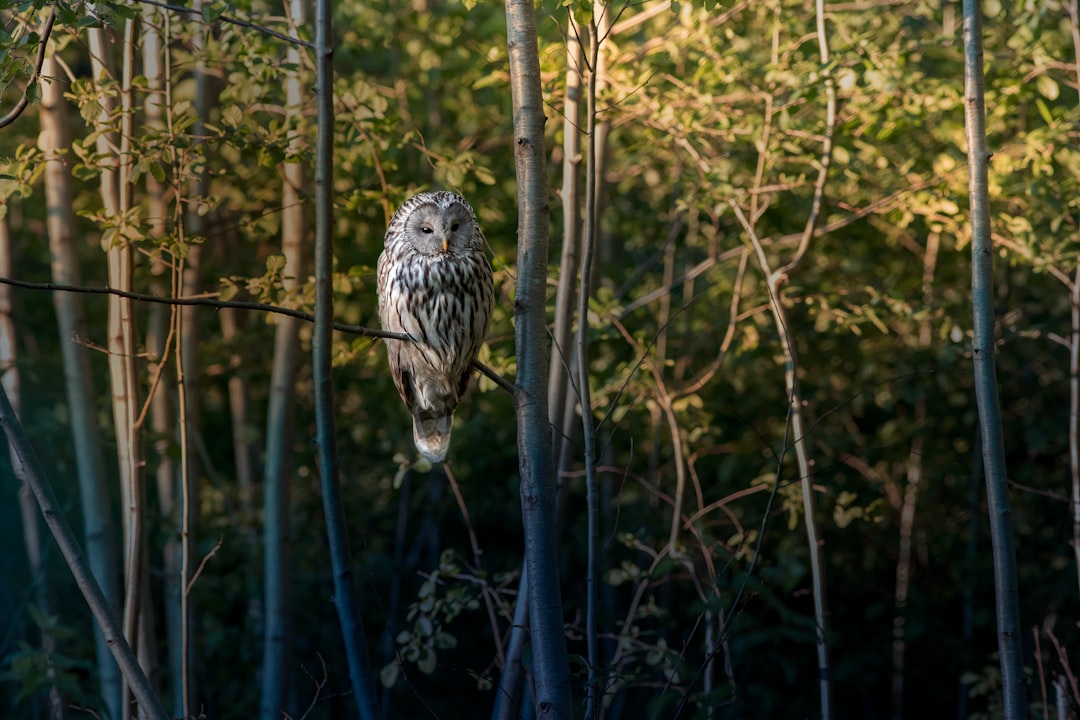
- Kids (and adults) ask better questions. Why do owls hoot at night? How do turtles survive winter?
- Your phone stays in your pocket because youre busy looking aroundreally looking.
I messed this up once by bringing my work laptop on an overnight camping trip. I didn't open it, but I worried the whole time. Safe to say, wont repeat that. Wildlife adventure means unplugging for real. You come back clear-headed and weirdly proudlike youve joined a secret club of people who know the names of mushrooms or local birds.
Which Wildlife Trip Fits Your Life Best?
Not everyone wants to kayak with alligators or hike up wild cliffs. Wildlife trips come in all shapes:
- Guided nature toursGreat for beginners, you learn from local experts, and dont need fancy gear.
- Solo wildlife walksPerfect for thinking (or not thinking at all), with no set schedule but your own curiosity.
- Family outdoor tripsTurn every age into a detective hunt. Even little kids get in on the search for tracks and tiny critters.
- Wildlife photography adventuresTest your patience and luck. Sometimes you get the shot of a lifetime, sometimes a fuzzy squirrel butt. Either way, you remember the chase.
Theres no right answertry different things. Hate mosquitoes? Aim for winter hikes. Not a morning person? Go owling at night. The point is to make wildlife travel fit you, not the other way around.
How to Plan an Easy Wildlife Adventure (and Not Regret It)
Your best wildlife trips wont always be perfect. Heres how to set yourself up for a good time without big headaches:
- Check the weather and go anyway, unless its actually dangerous. Rain makes animal tracks easier to spot.
- Keep your plans simple. Overcomplicate it, and youll find excuses not to go.
- Pack water, snacks, and a dry change of sockstrust me on this one.
- Bring binoculars if you have them, but don't stress if you dont.
- Dont worry about seeing everything. Sometimes, the one thing you didnt expect ends up being the highlight.
Biggest mistake? Expecting nature to perform on cue. Animals dont work for tips. Some days youll see five deer in a row, other days, just squirrels chasing each other. If you treat each wildlife experience as a mystery, you wont be disappointed.
How Outdoor Trips Change You After You Get Home
You think youll go back to normal, but something sticks. The next time youre on a boring drive, youll spot new thingsheron in the creek, a big hawk on a pole. You start remembering the names of trees. You may annoy your friends with random facts about river otters. Maybe you even feel braver about getting lost (or dirty), knowing you can figure it out.
- Your patience grows. Waiting for a shy fox teaches you not everything is fast.
- Your stress level drops. Nature makes your problems feel smaller, not in a bad way.
- You become the person who actually notices the worldtakes the back path home, pulls over for a sunset, wonders what left those paw prints in the mud.
It doesnt make you perfect. Youll still get bored in traffic and order takeout because cooking sounds impossible. But you become more awake, and theres real value in that.
Common Pitfalls (and How to Dodge Them)
Some people quit after their first wildlife trip because it didnt meet their big expectations. Heres what trips people up:
- Getting upset if the animals dont show. Animals have their schedule, not yours.
- Thinking gear is everything. You dont need fancy stuffstart with what you have.
- Comparing your trip to someone elses online highlight reel. Yours is real life, not a movie trailer.
- Forgetting bug spray, sunscreen, or close-toed shoes. Pay a little attention, save yourself a lot of pain.
Mistakes happen. Part of the story is laughing about the time you slipped in the mud or lost your snack to a crafty bird. Every nature trip goes a little sideways, and thats what people remember most.
Wrap Up: Take the Next Step Outdoors
Your next wildlife adventure doesn't have to be far, expensive, or planned months ahead. Look up a local park. Grab a friend or go solo. If all you do is watch squirrels argue over a peanut, youve stepped out of your usual headspace. Thats where the transformation sneaks inthe tiny wild moments that change how you see everything else. You dont need to be an expert. You just have to show up.
FAQ: Wildlife Trips and Everyday Life
- Q: Whats the best time of year for wildlife trips near me?
A: Theres always something to see, no matter the season. Spring and fall are busiest for most animals, but winter tracks are fun too. Check whats common in your arealocal parks or nature groups can help. Even in the city, birds and insects are out year-round. - Q: Are wildlife tours safe for kids?
A: Yes, most are totally safe and made for families. Guide-led nature tours make sure everyone knows what to watch out for and how to stay together. Bring snacks and sun hats, watch for poison ivy, and youll have a blast. - Q: Do I need fancy gear for a wildlife adventure?
A: Nope! Start with comfortable clothes, sturdy shoes, and water. Binoculars and a notebook are nice but not required. Most ways to enjoy wildlife experiences use what you already own. Dont let equipment stop you from going out. - Q: What if I dont see any animals?
A: That happens sometimes. Look for tracks, nests, or chewed branchesthese tell stories too. Enjoy the fresh air and sounds. Not every trip gives you Instagram glory, but you always come back with something new. - Q: How can I make my outdoor trip more interesting for teens?
A: Let them choose the destination or bring a camera for wildlife photography. A challengelike spotting the most kinds of birdsmakes it a game. Let them lead the way sometimes. Treat it like anadventure, not a science lesson. - Q: How often should I go on a wildlife trip?
A: Theres no rule. Once a month is great, but even a few times a year helps. The main thing is to go when you caneach trip adds up to a bigger shift in how you see your everyday world.