"Mind-blowing." To a teenager, that's a high bar. It's not about a fancy hotel or a famous landmark they'll scroll past on their phone. It's about an Teen Travel Experiences that makes them put the phone down. Something that makes them feel independent, capable, and connected to something bigger than their usual social sphere.
Last summer, my nephew, a 16-year-old who communicated mostly in grunts, was dragged on a family beach week. He was miserable. Then, on a whim, his dad signed them up for a half-day spearfishing lesson with a local captain. It was hard. It was salty. It was real. That night, he talked more than he had in months—not about the fish, but about the focus it took, the weird sea life he saw, the feeling of being in the open ocean. His summer transformed in one afternoon.
The goal isn't to entertain your teen. It's to engage them. To give them a story they'll tell their friends, not just post. Here’s how.
The Philosophy: Agency Over Itinerary
The fastest way to a teen’s eye-roll is a minute-by-minute schedule made by you. The key is to give them real choices and real responsibility.
Instead of: "We're going to see these three museums on Tuesday."
Try: "We have one day in this city. Here are three options: a street art bike tour, a food market scavenger hunt, or a behind-the-scenes tech company visit. You pick, you lead the way using the map."
They need to feel like a participant, not a prisoner of your vacation.
The Experience Categories That Actually Work
Forget generic "tours." Think in terms of challenges, skills, and social currency.
1. The "Learn a Badass Skill" Trip
Teens crave competence. Give them a chance to learn something tangible and cool.
- Winter: A snowboard/ski camp (like Windells or High Cascade) where they progress with peers, not parents.
- Summer: A surf camp in Costa Rica (Nosara) or California. Or a sailing certification week in the British Virgin Islands on a flotilla with other families.
- Anywhere: A multi-day rock climbing course in Moab or Squamish. It’s physical, mental, and the sense of achievement at the top of a climb is undeniable.
Parent's Role: Cheerleader from a distance. You do your own thing. Meet for dinner to hear the stories.
2. The "Voluntourism That Doesn't Suck" Trip
Teens have a powerful sense of justice. But they can smell a photo-op "orphanage visit" from a mile away. The work must be genuine, short-term, and hands-on.
- Habitat for Humanity Global Village Trip: A week-long build in another country. They swing hammers, mix concrete, and work alongside the family who will live there. It’s physically hard, profoundly rewarding.
- Marine Conservation: Programs like GVI or Operation Wallacea where they can get PADI scuba certified while assisting with coral reef surveys or sea turtle monitoring in places like Fiji or Mexico. It’s science with a purpose.
- Local & Specific: A week helping on a ** regenerative farm** through WWOOF (Willing Workers on Organic Farms). Meals are earned, the work is real, and the connection to food and land is direct.
The Rule: The primary goal must be the work, not the tourism. The perspective shift is the mind-blowing part.
3. The "Digital Detox Adventure" Trip
The ultimate counter-cultural move: going where the ‘gram can’t.
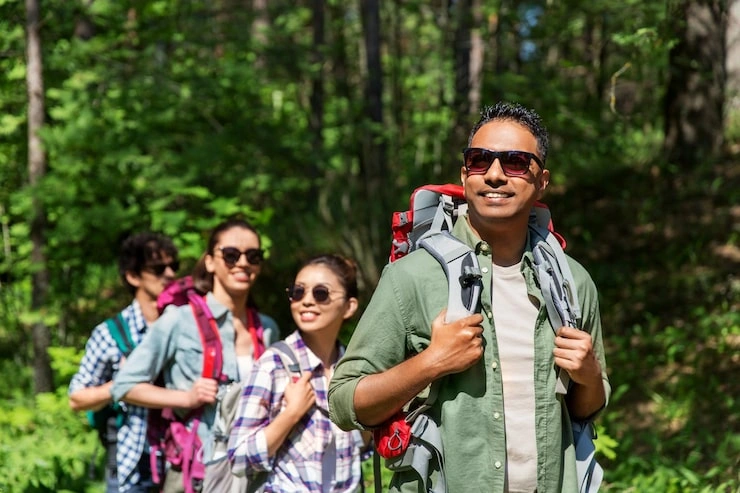
- Backpacking in a National Park: A 3-4 day guided trek in the Grand Canyon, on the Inca Trail to Machu Picchu, or in Iceland’s Highlands. No signal. Just stunning landscapes, physical challenge, and uninterrupted conversation (or comfortable silence).
- River Trip: A multi-day rafting trip on the Middle Fork of the Salmon River or the Colorado. Days are spent paddling through rapids, nights are spent under stars. The guides are often incredible storytellers and become cool older sibling figures.
- Wilderness Canoe Trip: In the Boundary Waters of Minnesota or Algonquin Park in Canada. They’ll learn to portage, read a map, and cook over a fire. The simplicity is the revelation.
4. The "City as a Playground" Trip
Not museum-hopping. Treating the city as a series of challenges and discoveries.
- The Photojournalism Challenge: Give them a decent camera or just use their phone. Their task: create a photo essay on a theme. "Street Food of Tokyo," "Gothic Architecture of Prague," "Graffiti & Gentrification in Lisbon." They have to interact, observe, and curate.
- The Underground Music/Art Scene: Research together beforehand. Find a small indie show in Berlin, a punk venue in L.A., an opening at a cutting-edge gallery in Mexico City. It feels exclusive and authentic.
- The Foodie Deep Dive: Take a rebellious taco tour of L.A. (not the famous ones, the strip mall gems), a pasta-making class in the home of a Roman nonna, or a market tour and cooking class in Bangkok. Engaging the senses bypasses teenage cynicism.
The Logistics: Making It Happen Without the Fight
- Involve Them in the Planning (But With Guardrails):
Give them a budget and a responsibility. "You’re in charge of finding and booking all the dinners. Here’s the per-diem. Make a list of options for us to choose from each day." Or, "You’re the navigation lead. Get us from Point A to Point B using public transit." - Accommodation That Gives Space:
Rent a house or apartment, not adjoining hotel rooms. Look for places with a separate casita, a finished basement, or a loft area.They need physical space to retreat. A hostel (with private family rooms) can also be great—the communal energy is infectious. - The Phone Contract:
Have a frank talk beforeyou go. "We’re not going to police your phone. But we’re also not going to wait while you scroll. If you’re glued to it during an experience, you’re choosing to miss it. We’ll have specific ‘check-in/doomscroll’ times built into the day." Often, just naming the expectation reduces the friction. - Bring a Friend (The Game-Changer):
If finances allow, let them bring a peer. It changes the dynamic entirely. They have a built-in ally, the social pressure is off you, and they’ll push each other to engage. Share the cost with the other family. Two teens together are more likely to say "yes" to a weird new experience.
The One-Week "Sample" Transformative Summer
Destination: Tucson, Arizona & Southern Utah
- Days 1-2: Tucson. Stay at a funky downtown hotel. Morning: Hands-on Sonoran Desert ecology hike at Saguaro National Park (looking for animal tracks, learning survival uses of plants). Afternoon: Visit the Pima Air & Space Museum’s "boneyard." It’s incredibly cool. Evening: Dinner on the patio at a classic Mexican restaurant.
- Days 3-5: Road trip to Page, AZ. Not just to see Antelope Canyon (book the photography tour for better light and fewer crowds), but to rent stand-up paddleboards and paddle into the vast, serene beauty of Lake Powell, navigating to a hidden swim spot.
- Days 5-7: Zion National Park. Don’t just hike Angels Landing (if they’re up for it). Book a canyoneering trip with a guide. It involves rappelling down into a narrow, watery slot canyon. It’s thrilling, skills-based, and unlike anything they’ve ever done. It’s the mind-blower.
This trip mixes desert beauty, active adventure, and a touch of weird Americana. It’s not about relaxing. It’s about doing.
The transformation happens when they surprise themselves. When they realize they can navigate a foreign subway, identify a constellation, make pasta from scratch, or summit a peak. You’re not just giving them a summer vacation. You’re giving them evidence of their own capability. That’s the mind-blowing part.
FAQs
My teen just wants to sit by the pool. How do I get buy-in?
Frame it as a collaboration, not a dictate. "I know you want downtime, and we will build that in. I want us to have one or two really memorable Teen Travel Experiences together. Here are three ideas I have. Which one sounds least terrible?" Giving them the power of veto and choice is 90% of the battle. Start small—one half-day adventure in a week of chill.
Are these ideas safe?
The companies running reputable skill-based trips (climbing, surfing, canyoneering) have impeccable safety records, certified guides, and top-notch equipment. They are often safer than a teen wandering a foreign city alone. Do your due diligence: check reviews, ask about guide-to-participant ratios, and verify certifications. The risk of a skinned knee is worth the reward in confidence.
We can't afford an expensive adventure trip. Any alternatives?
Absolutely. The principle is the same: create a challenge. It can be hyper-local.
- The "Tourist in Your Own State" Challenge: Give them a small budget to plan a 3-day weekend within a 2-hour drive. They research, book, and navigate.
- The "Skill Swap": Find a local organization that needs volunteers for a physically demanding project (trail building with a parks group, helping rebuild with Habitat in a nearby town).
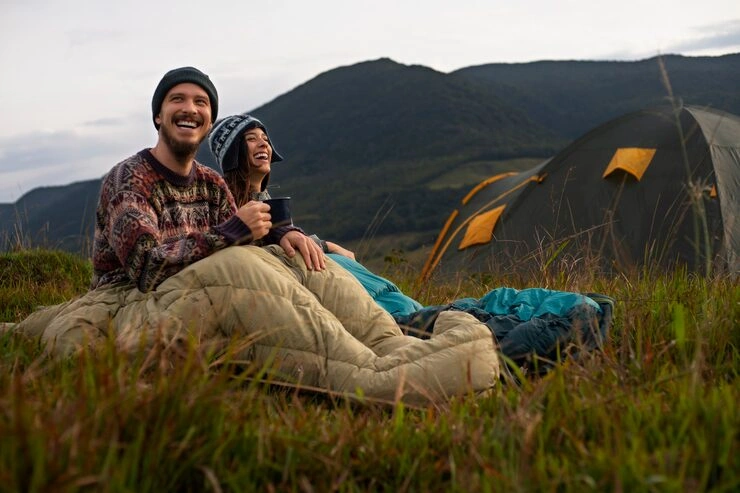
- The "Micro-Adventure": Go camping in the nearest state park—but put them in charge of all the gear, food, and fire. The novelty of sleeping outside and being responsible is often adventure enough.
What if my teen is an introvert or not athletic?
Match the Teen Travel Experiences to their temperament. For an introvert, a silent meditation retreat weekend, a bird-watching expedition with an expert, or a writing workshop in a beautiful setting can be transformative. For the non-athletic, focus on cultural or creative immersion: a film-making camp, a historical archaeology dig, or a culinary tour. "Mind-blowing" doesn't have to mean adrenaline; it can mean deep focus or creative expression.
How do I handle the inevitable complaining?
Acknowledge it, then move on. "Yeah, this hike is hard. It's okay to not love every minute. Let's just get to the next turn and see what's there." Don't engage in an argument. Often, the thing they complain about in the moment becomes the core of the story later. Your job is to be the calm, steady presence that trusts they can get through the discomfort. The pride they feel afterward is what matters.