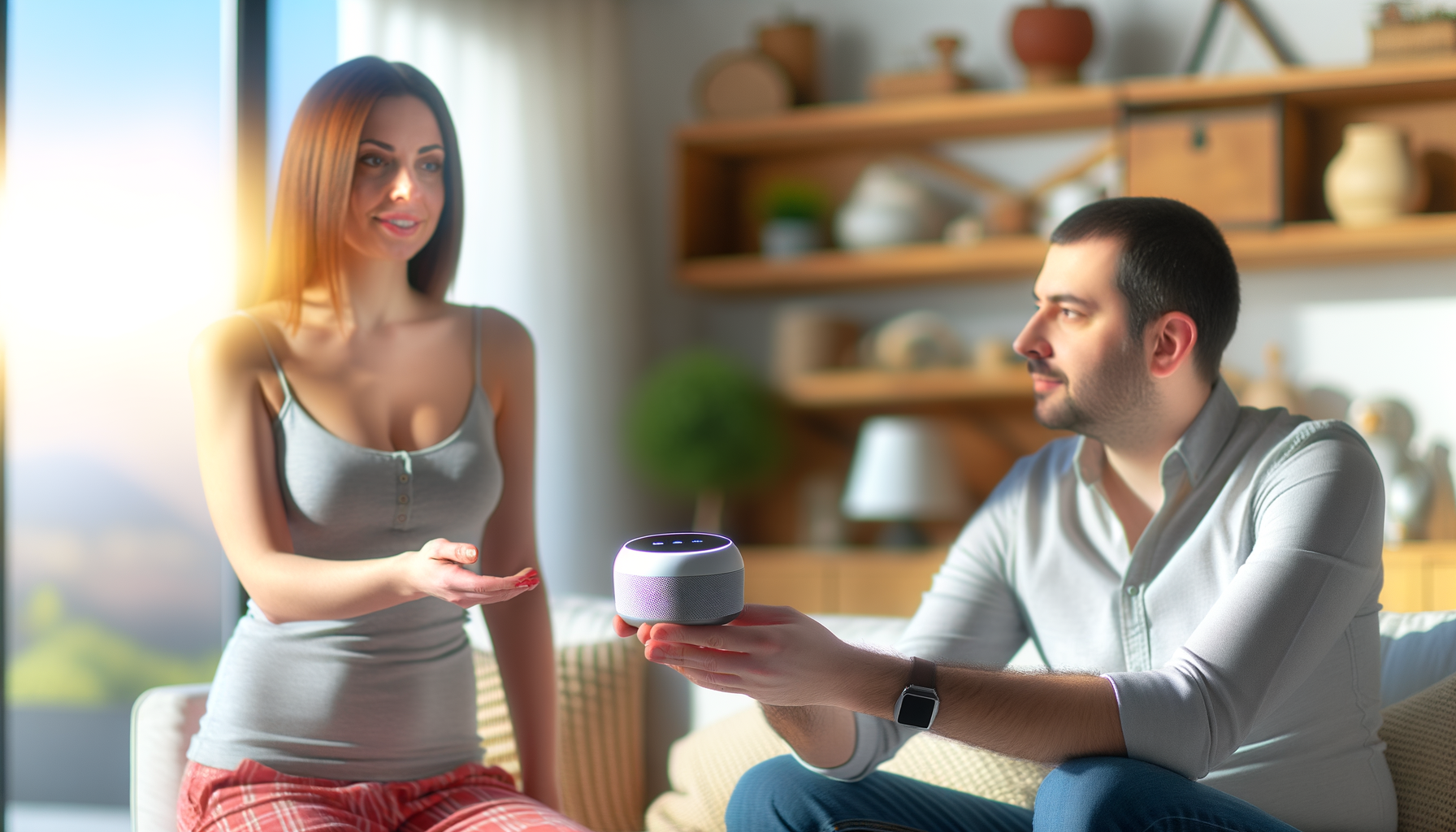
Ever lost your keys, forgotten to turn off the lights, or wondered what's in your fridge right now? You're not alone. These little hiccups are part of daily life. But with AI products in daily life, those annoyances are starting to fade. Day by day, we're letting artificial intelligence make things easier, even when we don't notice it. Let's pull back the curtain and see how these tools are sneaking into our routines and actually helping.
What Counts as an AI Product in Daily Life?
It's way more than smart speakers barking out weather updates. AI products cover gadgets and apps that learn, predict, or adjust to you. These include things like:
- Smart thermostats that figure out when you like the house warmer or cooler
- Phones that know which photos are of your pet, your friends, or that weird cloud you snapped
- Voice assistants that set timers, answer questions, or tell you a joke whenever you ask
- Robot vacuums that map your floor and dodge socks
If a tool can learn from how you use it, guess what you'll need next, or adapt over time, there's probably AI running in the background.
How Are Smart Devices Changing Our Homes?
The biggest shift is how our homes start to 'think' along with us. You don't have to program everything. With AI in home gadgets, lots of things just happen lights dim when the movie starts, music plays in the kitchen when you begin breakfast, security cameras send an alert if they see something strange outside. These things used to feel like science fiction. Now, they're pretty normal if you've plugged in a few smart devices.
- AI-powered lights suggest schedules to save energy
- Smart fridges flag a near-empty milk carton
- Sprinkler systems track the weather and water only when needed
That's not just convenient. It's peace of mind, a little saved money, and less daily hassle.
Everyday AI Tools: What Really Works (and What Doesn't)
Some AI tools are brilliant. Some are...well, not so much. Let's keep it honest. A smart speaker that confuses every song you ask for? Annoying. But a doorbell cam that shows you who's at the door while you're stuck in traffic? Super useful. Here's what people like most about the current crop of AI tech:
- Voice controls for hands-free help (cooking, cleaning, or just asking questions)
- Smart suggestions (calendars that remind you about birthdays, apps that suggest the fastest route home)
- Learning habits (your coffee maker knows you want a cup at 7:15, not 7:00)
But here's the catch: AI isn't perfect. Sometimes it gets things wrong, needs to be re-trained, or just plain annoys you by interrupting at the wrong time. That happens, but the more you use it, the more it usually gets right.
How Does AI Technology Actually Learn About You?
At first, a device starts out kind of cluelesslike a new puppy. It watches (or listens) to what you do: when you wake up, which lights you turn off at night, how loud you like your music. Over time, it finds patterns. That's artificial intelligence applications in action. The magic? It starts to predict what you'll need and offers to do it automatically.
- Robot vacuums avoid your bedroom after realizing you work late there
- Voice assistants know not to remind you of your grocery list when you're at work
- Some smart TVs suggest shows based on what your family watches the most
Sounds handy, right? But it also means these devices need access to some personal info. The trade-off: you get convenience, but you have to be okay with tech knowing a bit about your habits.
Common Mistakes People Make with AI Home Tech
No one's born a smart home expert. If you try a bunch of new AI tech at once, you might hit some bumps:
- Connecting too many devices before learning the basics
- Not reading privacy settings (yep, you should check those)
- Ignoring software updates, which can fix bugs or make things work smoother
- Getting frustrated when AI tools make mistakesremember, they're learning too
The key is starting small. Pick one or two AI products in daily life you really need. Get comfy, then add more if you want.
Can AI Really Save You Time and Stress?
For most people, yes. Set it up right, and it does the annoying stuff so you don't have to. AI in home security means you don't always worry about leaving the door unlocked. Smart devices can remind you to take out trash dayor water your plantsbefore you forget. Even better, some AI tools just fade into the background and make your day go smoother without much fuss.
- Automated cleaning (robot vacuums and window washers)
- Meal recommendations based on what you already have in the fridge
- Helping parents keep up with school meetings, forms, and family events (all in one calendar)
No, it won't solve every problem. But it frees up mind space for things that matter a lot more than light bulbs and grocery lists.
Are There Downsides to Relying on Everyday AI Tools?
Short answer: sure. If your Wi-Fi goes out, suddenly you have to flip light switches the old school way. Some apps need updates, repairs, or tweaking. Andlet's be realprivacy matters. Nobody wants a device listening in more than it's supposed to. Look at privacy settings, use passwords, and pick brands you trust.
- Tech glitches can cause frustration
- Not all AI devices work well together (some need a special hub or app)
- You might have to do a little troubleshooting now and then
The good news? Most AI products are getting better about security and updates. And for most people, the upsides still far outweigh the hassle.
What Will AI in Daily Life Look Like Next Year (and Beyond)?
AI tools are growing fastbut it's not about robots doing your chores (yet). It's about letting smart devices handle the small stuff, so your mind's free for what matters. Expect better voice controls, smarter reminders, even more helpful phone apps, and wearable tech that spots problems early (like a watch pinging you about your heart rate, not just your texts).
- AI will keep learning faster from fewer mistakes
- New smart home devices will handle even more (laundry folding, maybe?)
- More apps will connect to each other for smoother daily routines
Don't stress about keeping up with every new thing. Pick what fits your life, and let the rest go. When one tool actually makes things better, you'll know it.
FAQs About AI Products in Daily Life
- Q: What's the easiest way to start using AI at home?
A: Try a smart speaker or a robot vacuum. They're simple to set up, and you'll see real benefits fast. With a speaker, you can listen to music, set timers, or ask questions by voice. A robot vacuum saves you time by keeping the floors tidy, no effort needed from you. - Q: Are AI-powered smart devices safe to use?
A: Most are safe if you use passwords and keep things updated. Make sure you buy from trusted brands and check privacy settings. If you're worried, start with basic features before sharing more personal info. Safety is important, but most people use these tools with no trouble. - Q: Do AI gadgets work if my internet goes down?
A: Some tools won't work without Wi-Fi, especially if they send info to your phone. But many can still do basic things, like keep your thermostat set or run a cleaning cycle. It's a good idea to check before you buy, so you're not caught off guard if the internet drops. - Q: How does artificial intelligence make life easier every day?
A: AI handles boring or repetitive tasks, like reminders or cleaning, so you don't have to remember everything. It also learns what you like over time, making suggestions to save money, time, and energy. The more you use it, the smarter and more helpful it gets in your daily routine. - <>Q: What if AI makes a mistake or guesses wrong?
A: It happens. The best AI tools let you correct their mistakes or change the settings. Usually, the more feedback you give, the better they get. If something's annoying, check the app or device menu and adjust the options. A little patience goes a long way. - Q: Will AI replace jobs in my home?
A: AI takes over simple or repetitive chores, but it doesn't replace people. Instead, it helps you spend less time on things like cleaning or organizing and more time on stuff you care about. Think of it as an extra helper, not a replacement for you or your family.
Bottom line: pick one AI tech that sounds helpful and give it a real try. Start small, get used to it, and add more if you want. The goal isn't to turn your home into a spaceshipit's to make your day a little easier, bit by bit.