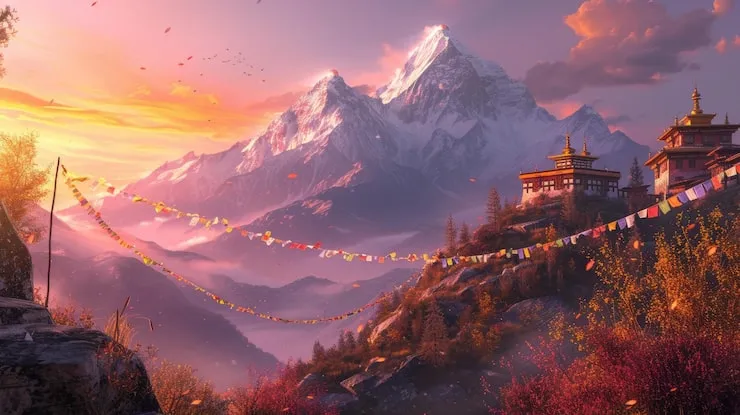
Uttarakhand has always been a place people visit to feel calm. The mountains look very peaceful. The rivers feel pure. The temples give a sense of faith and hope. For many years, tourists have come here to escape noise and stress. Some come for religion. Some come for nature. Some just want silence. During peak seasons, roads become crowded.
Hotels get booked fast. Small towns struggle to handle the pressure. Weather changes suddenly in the mountains. Landslides and traffic jams create problems. Many times, tourists feel confused or unsafe. Managing all this only through manual systems has become difficult.
How AI Is Slowly Changing Tourism in Uttarakhand
Artificial Intelligence is not replacing people here. It is helping systems work better. AI studies travel data from past years. It looks at seasons, crowd movement, and tourist behavior. Based on this, it helps authorities prepare in advance.
When officials know how many people may arrive, they can plan transport better. They can arrange police and medical support early. They can guide tourists in a better way. This reduces last-minute stress for everyone. Tourists feel more relaxed. Local systems work smoothly. Problems do not suddenly grow out of control.
Virtual Guides Make Travel Feel Less Confusing
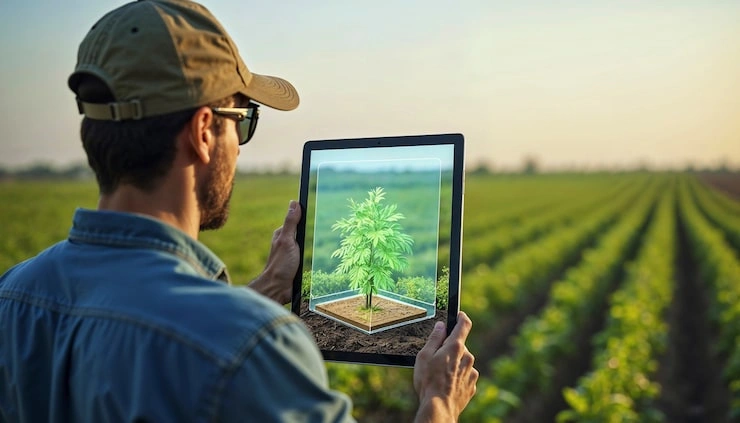
One of the biggest changes tourists notice is virtual guides. These are digital guides that work through mobile phones. Tourists do not need to search many websites or ask many people. Information comes to them directly. Virtual guides tell people about temples, places, and local culture. They share simple stories and facts.
They suggest nearby spots that tourists may like. They help with routes and timing. They feel guided without feeling lost. These guides also help when plans change. If the weather turns bad, tourists get updates. If a road closes, they get new route suggestions. This makes travel feel controlled and safe instead of stressful.
Predictive Planning Helps Avoid Big Problems
One major use of AI in Uttarakhand tourism is prediction. AI looks at old records. It checks when crowds are high. It checks when traffic becomes a problem. It checks which routes faced trouble.
Using this information, the system predicts busy days in advance. It tells authorities when pressure may increase. This gives enough time to prepare. Extra buses can be arranged. Traffic routes can be managed. Emergency teams can stay alert. This planning reduces chaos during festivals, holidays, and pilgrimages.
For tourists, this means fewer surprises. They know what to expect. They can plan travel better. This improves the overall experience.
Crowd Control Becomes Safer and Calmer
Crowd control is very important in hill areas. Too many people in one place can cause danger. Narrow roads and limited space make things worse.
AI-based systems help track crowd movement in real time. Cameras and data systems show where crowds are increasing. Alerts are sent quickly. Authorities can redirect people before situations become risky. This keeps movement smooth and reduces panic. This is especially helpful during Char Dham Yatra. Small steps like this can prevent big accidents. Tourists feel safer when movement feels organized.
Travel Safety Gets Strong Support
In Uttarakhand, safety depends a lot on the weather. Rain, snowfall, and landslides can happen without warning. AI helps here by sending early alerts. Tourists get updates before they reach dangerous zones.
If roads become unsafe, information is shared quickly. Emergency services also respond faster because they already know the situation. Even a short warning can save lives in mountain areas.
Local People Benefit from Smart Tourism
Smart tourism does not help tourists alone. Local people also gain from it. Small hotel owners, homestay operators, shopkeepers, and guides get better visibility through digital platforms.
Tourists can find local services easily. This increases income for locals. Jobs grow naturally. Young people get new opportunities without leaving their hometowns. Tourism becomes a source of stable support, not pressure. When locals benefit, tourism grows in a healthy way.
Nature Gets the Respect It Needs
Uttarakhand’s beauty is fragile. Too many visitors can harm forests, rivers, and mountains. AI helps control this damage. By tracking visitor numbers, authorities can limit overcrowding. Tourists are guided towards less crowded places. This reduces pressure on popular spots. Nature gets time to recover. Tourism continues without destroying the environment. This balance is very important for the future.
Simple Digital Tools for Everyone
Tourism apps and platforms are designed to be simple. People do not need technical knowledge. Everything is shown clearly. Routes, bookings, alerts, and suggestions are easy to understand.
Elderly travelers feel supported. Families feel safe. Children enjoy learning small facts through digital guides. Foreign tourists feel comfortable because language support is available. Everyone benefits in their own way.
Looking Ahead
Uttarakhand is not trying to become a high-tech city. It is trying to become a better travel experience. AI is just a tool. Travel plans will adjust automatically. Emergency reactions will get faster. Uttarakhand can end up a case for other states to follow.
Conclusion
Uttarakhand embracing AI for tourism is a smart and necessary step. It helps manage crowds. It improves safety. It supports local people. It protects nature. Most critically, it helps visitors enjoy the real excellence of Uttarakhand without push. Tradition and innovation are working together. This is how tourism should move forward.