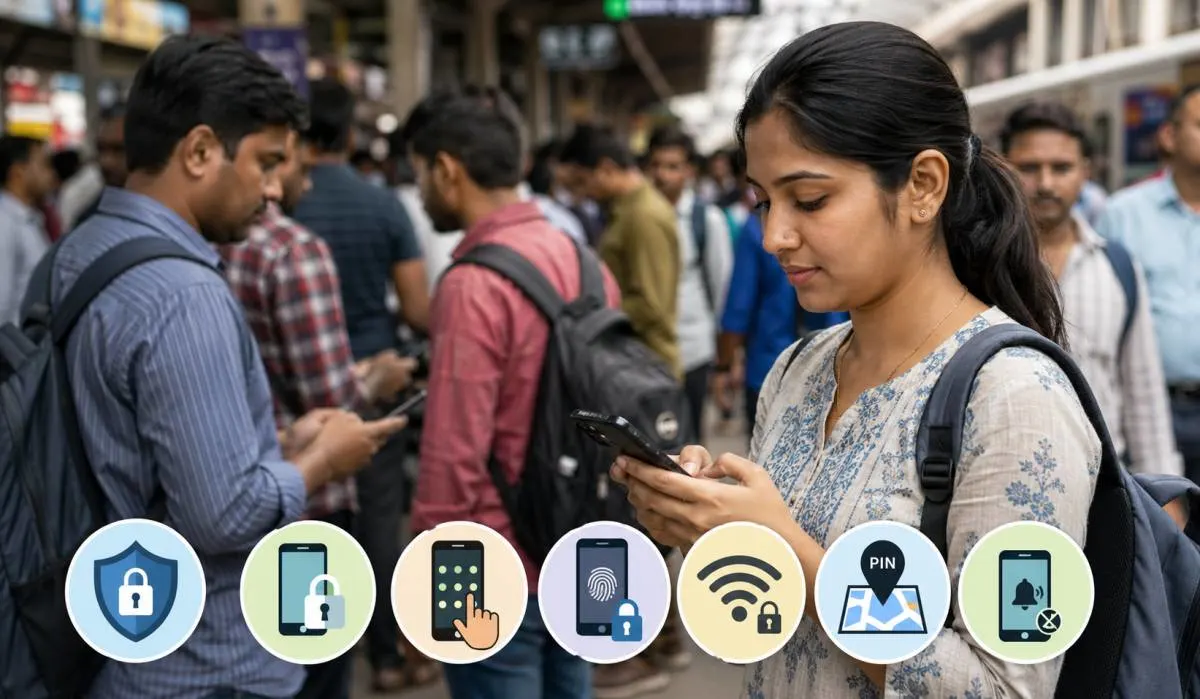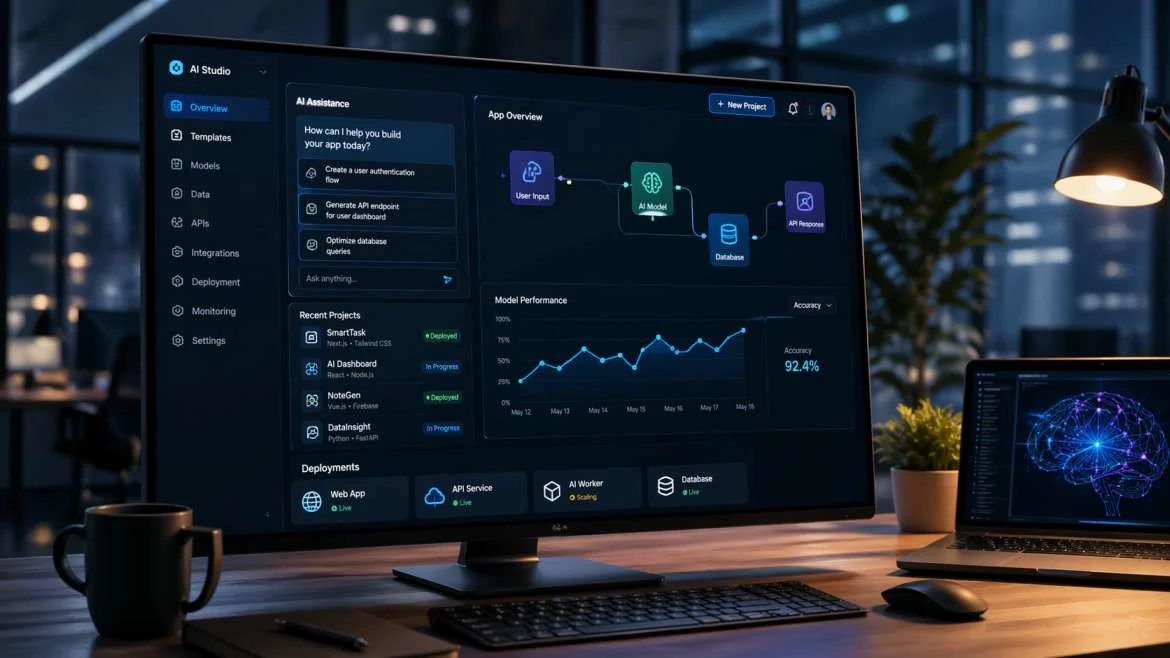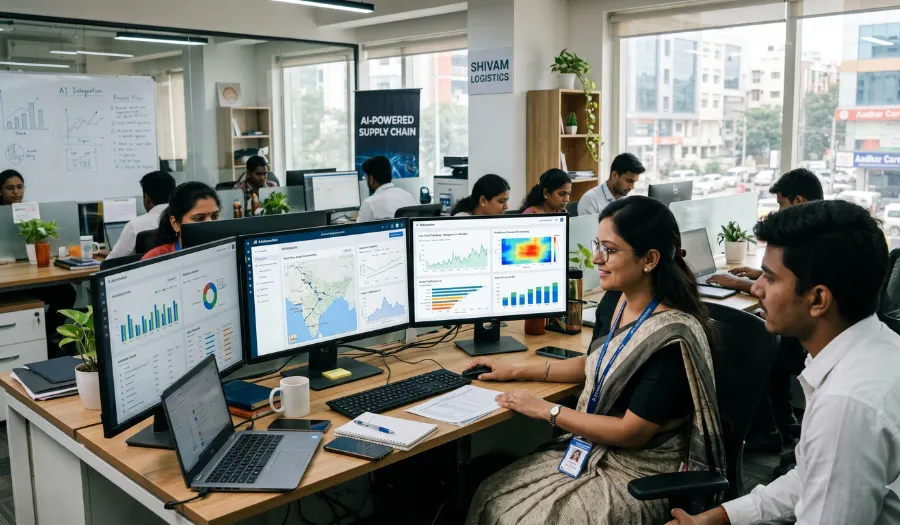
A few years ago, most people thought of AI as that smart speaker that can't get their favorite song right or a chatbot that doesn't answer questions. Fast forward to 2026, and it's everywhereand it's not just about convenience or feeling fancy. It's helping people get healthy, keeping cities running, even picking which tomatoes get shipped to your grocery store. In this article, you'll see artificial intelligence examples 2026 that are part of everyday life, sometimes in ways you wouldn't expect. If you want to know how AI is changing your job, your neighborhood, or your next trip to the doctor, keep going.
What Does AI Really Look Like in 2026?
AI in 2026 isn't talking robots or creepy computers taking over. It's software that helps humans do things better, faster, or more safely. Think of it as a really, really smart helper built into the things you use every day.
- Self-driving trucks that make fewer mistakes than tired drivers.
- Medical tools spotting rare illnesses before a doctor does.
- AI apps that listen to your voice for signs of stress or illness.
- Retail stores stocking shelves based on what AI predicts will sell out next week.
It's even in stuff as boring as waste managementAI routes trucks to save fuel or predicts when bins will overflow.
Healthcare: The Surprising Ways AI Helps You Stay Well
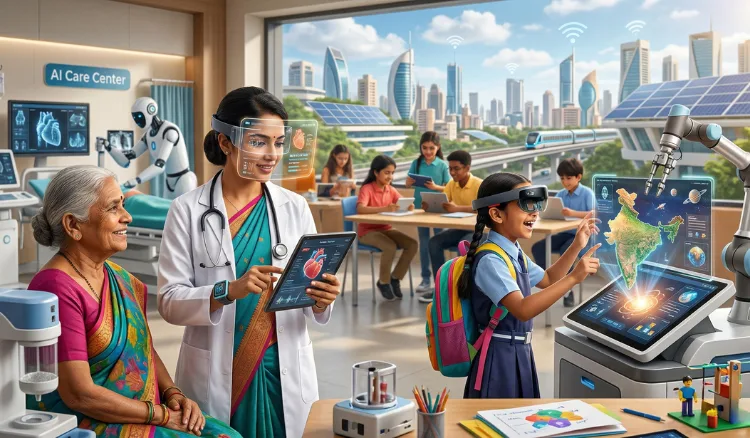
First up, medicine. The best artificial intelligence examples 2026 in healthcare don't replace human doctors; they make them better at their jobs.
How's AI Being Used in Healthcare?
- Image analysis: AI scans X-rays and MRIs to find things humans can miss.
- Drug discovery: Computers test millions of chemical combos way faster than scientists can.
- Wearables: Smartwatches use AI to warn about abnormal heart rates and more.
Doctors get help making better decisions faster, while patients spot warning signs early.
But, it's not perfect. Sometimes AI tools make mistakes (false alarms or missed signs), so humans still need to double check.
Retail: Shopping Gets Smarter, Faster, Less Annoying
AI in retail is like having someone who knows what you'll need before you do. In 2026, stores are using ai applications 2026 to:
- Personalize recommendations based on what you've looked ator even what mood your voice sounds like.
- Forecast what food or clothing will be in high demand, so shelves don't run empty.
- Use checkout-free or fast-checkout systems powered by computer vision and sensors, so you just grab and go.
Everyone likes the time savings. But here comes the annoying part: sometimes you get suggestions that feel...off. Or AI can over-personalize and make stuff feel a bit creepy. Shoppers have to balance convenience with privacy.
Manufacturing and Industry: Smarter Machines, Less Waste
If you think AI is just for tech companies, think again. Future ai examples in factories and plants are easy to spot:
- AI-powered robots assemble products faster and with fewer mistakes.
- Maintenance systems predict when a machine's about to break, so it gets fixed before it stops the whole line.
- Energy use gets optimized in real-time, saving money and reducing pollution.
It helps industries using ai avoid costly shutdowns and reduce waste. The catch? Factories need smart people to keep these systems runningand that means new training and sometimes tough job changes.
Finance: AI Scans for Scams (and Finds Deals Too)
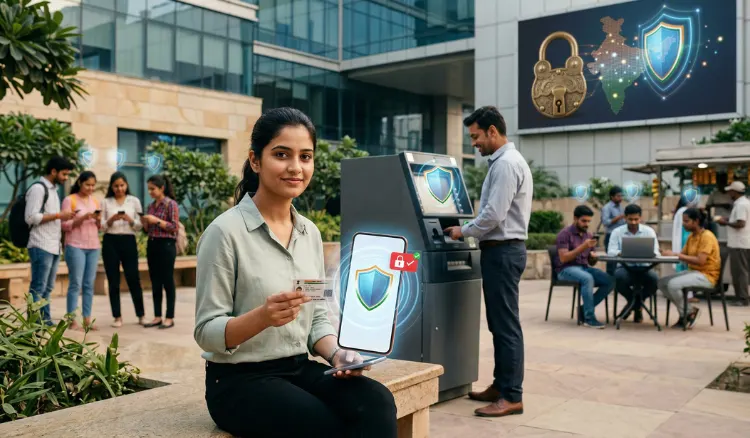
Banks and fintech were early adopters. By 2026, ai technology 2026 in finance is everywhere you look:
- Fraud detection systems spot weird transactions instantly.
- Robo-advisors automatically adjust investments based on goals and trends.
- Loan applications get processed in seconds, not days.
Banking is safer and quicker for most people. But when AI gets it wrong, it can block legit transactions or approve risky loans. Human oversight still matters a lot.
Transportation: Getting from A to B Without Headaches
AI-powered transportation isnt science fiction. It's changing daily commutes and global shipping:
- Driverless taxis in busy cities that map the fastestand safestroutes.
- Shipping companies use AI to avoid weather delays and cut costs.
- City planners use AI to monitor traffic jams and fix bottlenecks in real-time.
This means less waiting, lower costs, and often safer rides. But not every city or country is ready for all this tech, so progress is uneven.
Farming and Food: AI Grows Your Lunch (Seriously!)
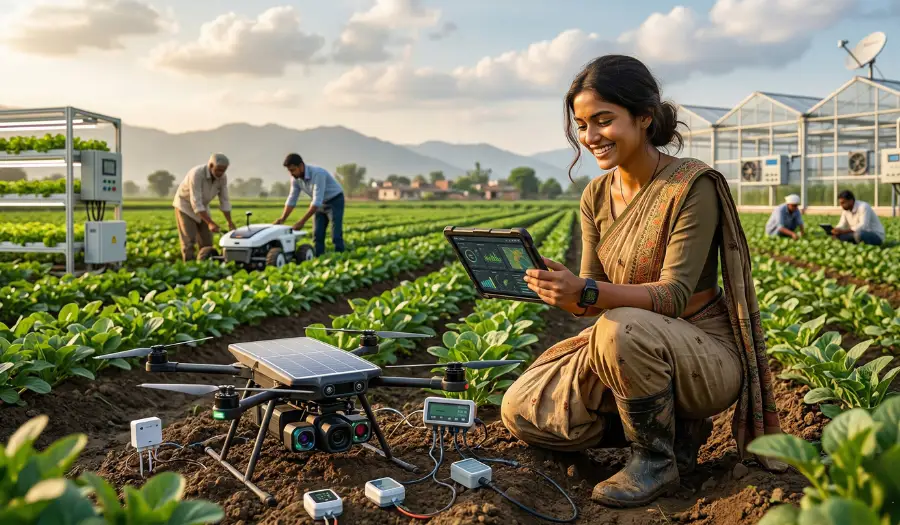
You might picture farmers staring at fields, but now they're staring at apps. AI in agriculture is one of the fastest-growing ai applications 2026:
- Drones scan crops and use AI to spot pests or dry patches fast.
- Harvest robots pick only ripe vegetables, wasting less food.
- Logistics AI plans the best time to ship so food stays fresh longer.
Food gets cheaper and less is wasted. The tough part? Tech is expensive to start with, so small farmers may feel left out if costs dont come down.
Education: Custom Help for Every Student
AI in classrooms isnt about replacing teachers. It's extra helpon demand:
- Virtual tutors adapt lessons on math or history to each student's level and speed.
- Software spots students struggling quietly and signals a teacher to help sooner.
- Homework graders give instant feedback (yep, no more waiting a week!).
The biggest problem? Technology can never replace human connection, and not every classroom has the same access to fast internet or new devices.
What Could Go Wrong With All This AI?
- Biases: AI learns from data, and if the data's not fair, neither is the result.
- Privacy: More personal info used, more risk if things get hacked.
- Job changes: Some jobs disappear, others show uppeople need help with the switch.
- Overtrust: If humans stop thinking for themselves, mistakes can spiral fast.
Every cool tool comes with a warning label. You get more info, save time, and sometimes save money. But you have to stay alert for bumps in the road.
How Can You Get Ready for More AI?
- Learn the basics: No need to code, but know what AI can and cant do so youre not fooled by hype.
- Try tools at home or work: Many apps are free or have demos. Play around and see what sticks.
- Protect your privacy: Set strong passwords, check what data youre sharing.
- Help others: If you learn something new, share it. Not everyone is comfortable with this stuff yet.
By treating AI as another tool (not magic), youll spot the real winsand spot the junk.
Final Thoughts
AI in 2026 isn't about robots running the world. It's smarter tools everywhere, quietly making things just a bit betterif you use them right. Try something small this week, like an AI planner or health tracker. Talk about it with someone whos curious. The more you mess with it, the more youll see what it can really do, for your job or your family. You might be surprised which part of life gets easier first.
FAQ: Real Questions About Artificial Intelligence Examples 2026
- What are some real-life artificial intelligence examples 2026 I might see?
You'll see AI in things like self-checkout grocery stores, smart health watches spotting illnesses, spam filters that block junk messages, and cars that help you drive or even park themselves. It's in everyday stuffnot just fancy gadgets. - How do industries use ai technology 2026 to help workers?
AI takes over boring or repetitive tasks, like checking inventory or scanning financial logs for mistakes. This frees people to focus on trickier problems and makes work less tiring. It's not just about replacing jobsit's about making them suck less. - Is using AI safe for personal info?br>AI can be safe if companies protect your data and you use privacy settings. But no system is perfect. You should always check what info is being collected, use strong passwords, and avoid giving out details that aren't needed.
- Will AI take over every job by 2026?
No, but some jobs might change or disappear, especially if they repeat the same steps daily. New jobs pop up to build, watch, or fix these AI tools. It helps to learn basic tech skills, so you're ready for changes. - Can AI make mistakes in important places like hospitals or banks?
Yes, AI can mess upespecially if it learns from bad or incomplete data. That's why humans still check what AI suggests, especially in places where mistakes are a big deal. It's a helper, not a replacement for experts. - How do I learn about ai applications 2026 or try them myself?
You don't need to become a coder. Lots of apps have free trials or demostry AI tools for writing, organizing, or even learning new skills. Ask people at work or school what tools they like, and start small. You'll pick it up as you go.