Why Everyone's Talking About Artificial Intelligence in High Tech
Remember when cell phones were only for calling? Now, they're tiny computers in our pockets. That's how fast artificial intelligence in high tech industry is changing things. Companies big and small are rushing to use AI because it promises more speed, smarter choices, and new ways to beat the competition. If you work in tech (or care about what powers your devices), this stuff matters. You'll find out what's really happening, what works, and what trips people up.
What's Artificial Intelligence Actually Doing in High Tech?
AI isn't some magic brain. At its core, it's software that learns from tons of data and helps machines do smart things. In high tech, that means:
- Finding patterns way faster than any human
- Spotting problems in hardware before it breaks
- Making supply chains run smoother than ever
- Powering voice assistants, chatbots, and smarter gadgets
- Helping design chips and products faster and with fewer mistakes
Why does this matter? Because it means fewer errors, quicker launches, and major cost savings. But here's the thing: AI isn't perfect. It needs a lot of good data, and it sometimes gets things wrong (ask anyone who's had their photo library label a dog as a cat).
Real-World AI Industry Impact: What Changes First?
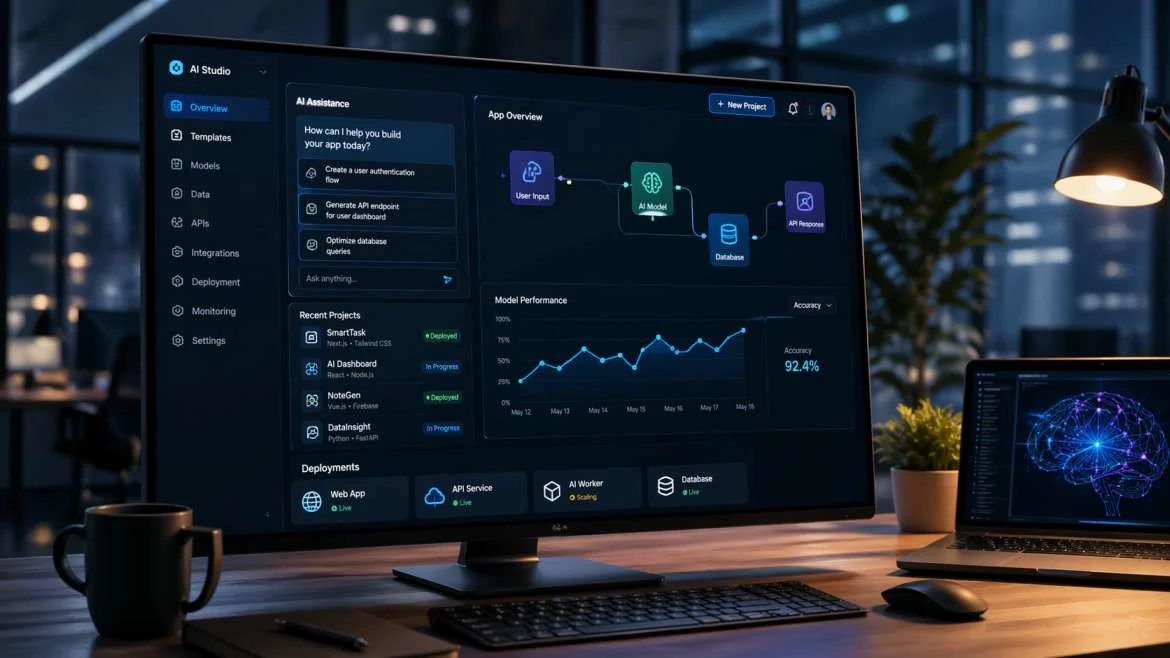
The most obvious shift is how high tech companies use AI to crunch data. For example, a chip maker can predict when a production machine needs fixing, so they don't have to shut down assembly lines suddenly. Or a smartphone company uses AI to guess what features users want most, skipping products nobody cares about.
- Faster testing: AI can run thousands of test scenarios in seconds
- Better forecasts: Guessing the next trend is less of a gamble
- Personalized products: From custom cases to tailored software
But fair warningnone of this works without strong data. If the data is messy, the predictions fall apart.
How High Tech Firms Start Using AI (And Where They Crash)
How to Start With Artificial Intelligence Applications
Most companies don't build their own AI from scratch. They use ready-made tools or sign up with tech partners. Steps usually look like this:
- Pick a small projectthink automating inventory, not rewriting all company software
- Clean up your data firstyeah, it's boring, but crucial
- Test with real users and gather feedback
- Adjust and repeat only if it helps, not just because it's trendy
The biggest mess-ups? Trying to automate everything right away, or not listening to the people actually using the tools.
AI-Driven Innovation: What Does It Look Like Day to Day?
This isn't really about robots taking jobs. Mostly, it's about helping humans do their work faster and better. Think:
- Engineers testing new microchips using AI simulations instead of real ones
- Support teams using chatbots for basic questions, freeing humans for tricky stuff
- Designers getting instant feedback on how a tweak will affect battery life or speed
The win here? People spend less time on mindless tasks and more on solving problems.
Common Problems With AI in the Tech World
- Overhyped promisessome leaders think AI fixes everything (it doesn't)
- Confusing modelsif even the creators can't explain it, that's a red flag
- Privacy worriesyour data might help the company, but it could put personal info at risk
- Job fearsAI does replace some repetitive work, but it also creates new jobs (like AI trainers and testers)
If you're starting out, set real expectations and talk to the people who'll use the new tools.
Future Trends: Where Is Artificial Intelligence in High Tech Headed?
If you follow high tech sector trends, you know things move lightning fast. Some trends worth watching:
- More edge computingAI running on devices instead of in the cloud
- Energy-friendly AImaking sure models don't eat up tons of power
- Customized chips for AIhardware made especially for learning faster
- Tools for explaining how AI made a decision
It pays to keep up with news in this space. The stuff that's wild or weird today could be standard in a year.
Takeaways for Anyone in Tech
- AI changes the game, but you still need smart people making smart choices
- Start small, fix your data, and watch results closely
- Don't get dragged into hypeask what problem this actually solves
- Safe, fair, and clear AI wins in the end
No tech is magic. The best results come when people and AI team up, not compete.
FAQs: Artificial Intelligence in High Tech Industry
- How is artificial intelligence used in the high tech industry?
AI helps with everything from smoothing out production lines to figuring out what users want next. It runs tests, predicts problems, and powers smart features in gadgets. Most companies use off-the-shelf AI tools to start because it's faster and cheaper. - What are some common AI applications in the high tech sector?
Popular uses include chatbots for customer support, product testing with AI simulations, predictive maintenance for machines, and personalizing user experiences. Some firms use AI to design chips or spot network problems before they become big headaches. - What are the risks of using AI in technology companies?
There are a few. Bad data means bad results. Sometimes, nobody understands exactly why the AI made a choice. Privacy is a concern if too much personal info is used. And, sure, some jobs might change or disappear, but new ones pop up too. - How can a company get started with AI-driven innovation?
Pick one problem to tacklelike speeding up software testing. Clean your data first; messy info causes more harm than good. Use standard AI tools first. Always ask for feedback from the people using it and adjust as you go. - How will AI shape future technology industry changes?
Youll see more features that seem almost smart, like gadgets that update themselves or predict what youll click next. Expect more AI computing done right on devices, not just in big data centers. And as AI speeds up, so does the pace of new products and updates. - Will AI take away lots of jobs in high tech?
Some routine or boring tasks might disappear, but history shows tech usually creates new kinds of jobs too. Think of it as a shiftfolks who know how to work with AI will always find work. Learning basic AI skills is a smart move.
Try one AI tool in your own work this month. Even if it feels weird or confusing, it's the best way to learn what these changes can do for you. Staying curious is your edge, no matter how clever the machines get.