You know those sci-fi movies where robots help kids with homework, doctors use smart machines for complicated surgeries, and traffic jams just don't exist? That world isn't as far off as it sounds. Global AI development is making all kinds of things possibleand it's not just happening in Silicon Valley. It's showing up in busy cities, tiny villages, and everywhere in between.
If you think artificial intelligence is only for tech geniuses, think again. You might already use itlike when your phone suggests faster driving routes or when you chat with support online and a bot answers first. This article breaks down what's going on with global AI development, real-life wins and fails, and ways you can get in on the action (even if you don't code).
What's Driving Global AI Development Right Now?
Global AI development means countries all over the planet are working on smarter software and machines. Instead of one place calling the shots, you've got international AI growth that mixes ideas from everywhere. This is good news: when more brains and cultures come together, the tech usually gets betterand less biased.
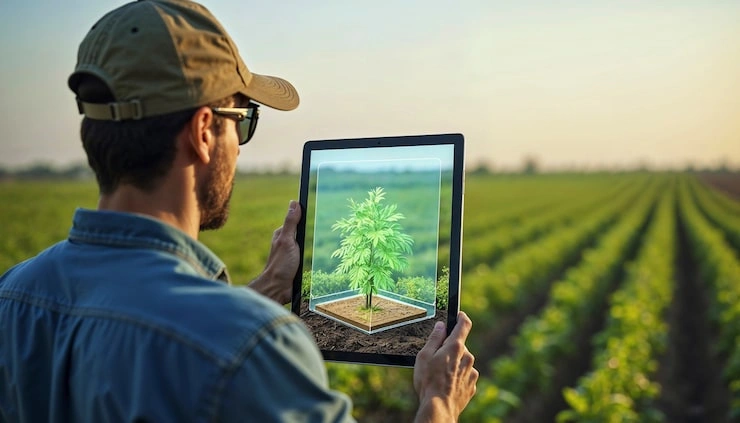
Why does everyone care so much? It's simple: jobs, money, and solving problems regular folks face every day. Think farmers using AI to track weather, or doctors in rural areas diagnosing rare diseases faster. The push for worldwide AI projects is about giving more people the tools to fix what's bugging them.
- Countries like India are making AI health apps for villages with few doctors
- Norway tracks fish populations with AI so the ocean doesn't get overfished
- Kenya uses AI-powered tools to fight fraud in mobile banking
Bottom line: AI isn't just for big businesses. It's helping all kinds of folks get creative about challenges they face.
What Are the Newest AI Technology Trends?
It's tough to keep up with all the changes, but here are a few AI technology trends you should know about:
- Real-time translation: Language apps use global artificial intelligence to connect people who don't share a language.
- Personalized learning: Kids get custom lessons based on how they learnAI figures out what works best for each student.
- Healthcare at home: Wearable devices track your heart rate or sleep, flagging early warning signs using worldwide AI projects.
The coolest part? Most of these tools don't need a fancy setup. If you've got a phone and internet, you're in.
Can AI Really Grow Worldwide? (And What's Getting in the Way?)
AI is spreading fast, but it's not all smooth sailing. Internet access is still spotty in some places. Some governments worry about jobs vanishing or data falling into the wrong hands. And while global AI development is zipping ahead, there's one big headache: bias. If the people building AI only have one point of view, the end product can be unfair to others.
- Some countries invest more in AI than others, so there's a race to stay ahead
- Lack of rules can lead to misuselike facial recognition without permission
- Not enough diverse voices means AI misses real-life needs
So yes, AI is growing fast everywhere. But it won't reach full power until more people get a shot at building and using it.
How Can You Get Involved in Global AI Development?
You don't need to be a programmer to make an impact. Here are a few ways anyone, anywhere can join the wave of AI industry expansion:
- Start small: Play with free AI tools, whether it's photo editors or smart reminders.
- Speak up: If you notice AI doing something weird (like suggesting the wrong translation or showing unfair results), report it or give feedback.
- Learn a little: Tons of short online courses explain AI basics using plain language.
Bonus tip for studentstry entering an AI contest. Many offer cash prizes and don't require crazy tech skills, just good ideas.
What Are The Risks and Downsides of Global AI?
Let's be honest: it's not all sunshine. As global artificial intelligence spreads, some worries pop up too. Common ones:
- Privacy: Devices that watch or listen might collect too much info
- Job changes: Robots can take over boring or dangerous work, but some people need new skills when this happens
- Bias: AI that's only trained with certain data might treat groups unfairly
- Overconfidence: Believing the AI is always right can get you in trouble
The first time I tried a language app, it thought I wanted to talk about bananas in every conversation. Lesson learned: double-check what AI suggests, and don't be afraid to call out mistakes.
How Different Countries Are Shaping the Future
Every place uses AI differently, depending on what matters to them. While one country is building smart cities with self-driving buses, another might focus on using AI to boost crop yields. Here are some ways international AI growth looks in real life:
- China's rolling out AI traffic management, so commutes get smoother
- Brazil uses AI to spot wildfires before they spread out of control
- Nigeria is teaching basic coding and AI skills to high schoolers, opening new career doors
Does it all work perfectly? Nope. Sometimes, tech breaks or people can't afford it yet. But the drive to experiment and improve keeps things moving.
What Does the Future Hold for Global AI Development?
A few years from now, you'll see AI do things people once thought impossiblelike translating jokes so they're actually funny, not awkward. Expect more teamwork between countries, especially as everyone tackles big problems like climate change or pandemic response.
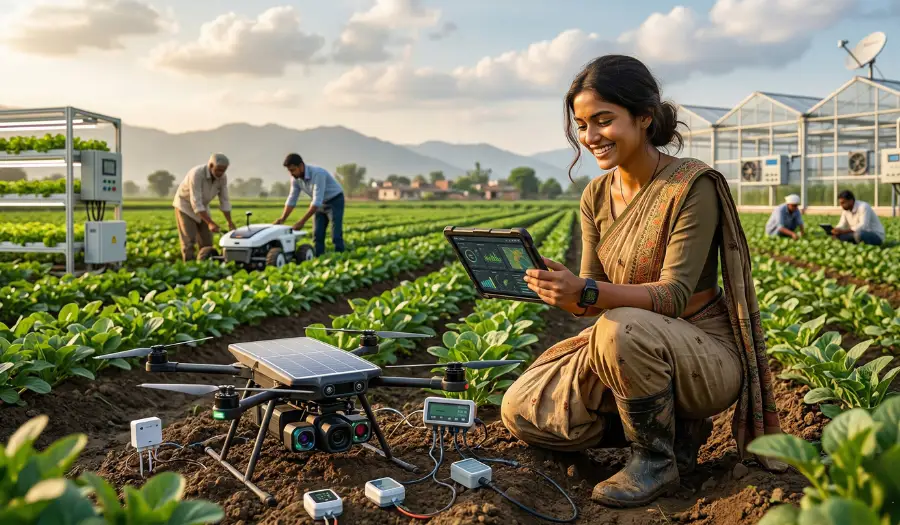
- Smarter farming tools that waste less water
- Easier access to banking in places without traditional banks
- Faster, more accurate disaster warnings
The trick is making sure everyone gets a seat at the table. That way, AI doesn't just help the rich or people living in big citiesit helps everyone.
FAQ About Global AI Development
- Q: What is global AI development anyway?
A: It's when people all over the world create and use artificial intelligence for all sorts of thingslike smarter maps, personalized learning, or better health care. It means more cultures and ideas shape the tech, so it's less one-sided. - Q: Is AI technology only useful in big countries?
A: Not at all. Small countries use AI for farming, disaster warning, and online banking. Wherever there's a problem to solve, AI can probably help. - Q: Will AI take away jobs everywhere?
A: Some jobs might change or disappear, but new ones will open up. People may need to learn new skills, but history shows tech often brings more opportunity in the long run. - Q: Can I learn about AI if I have no tech background?
A: Definitely. There are lots of free, easy courses online. You can start by watching short videos or trying out simple apps that use AI. - Q: What are the biggest risks of global artificial intelligence?
A: Main worries are about privacy, unfair treatment, and tech being used for bad stuff. But with more people involved, there's a better chance of catching problems before they spread. - Q: How do different countries work together on AI?
A: They often share their research, set up international projects, and hold big meetings to talk about rules and safety. The more they team up, the smarter and safer AI gets for all.
You're closer to being part of the AI world than you think. Try a new tool. Ask questions. Tell friends what you learn. That's how progress happensfrom the ground up, one curious person at a time.