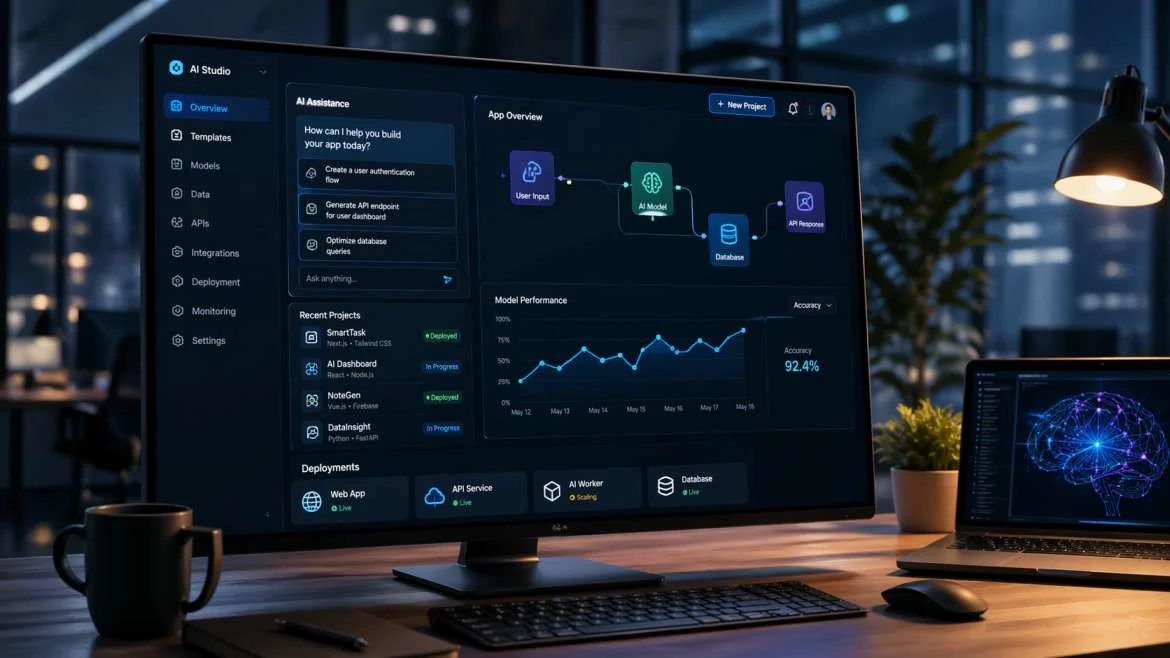
You ever feel like your to-do list is mocking you? You open your laptop, stare at 17 tabs, and somehow end up scrolling TikTok instead of getting anything done. Yeah, I’ve been there. Enter Productivity Tools 2025—the apps and software that don’t just help you “organize” but actually make your day run smoother. In this article, I’ll break down the latest tools, how to use them, and the little tricks that make them actually stick.
What Are Productivity Tools 2025?
Simply put, these are the latest apps, software, and gadgets designed to help you get more done with less stress. Forget old-school planners; think AI-assisted scheduling, smart reminders, and dashboards that tell you exactly where your time goes.
Why it matters: Time is your most limited resource. These tools can help you find hidden hours in your day and actually use them wisely.
Which Tools Actually Save Time?
1. AI-Powered Task Managers
Apps like Motion and Sunsama plan your day based on your priorities.
-
What it does: Automatically schedules tasks around meetings.
-
Why it matters: No more moving tasks around manually.
-
How to use it: Input your to-dos in the morning, check the plan at lunch, adjust if needed.
-
Pitfall: Overloading it with tasks that aren’t a priority. It’s not magic, it’s guidance.
2. Smart Note-Taking Apps
Think Notion, Obsidian, or Roam Research.
-
What it does: Links notes, tasks, and ideas in one place.
-
Why it matters: Prevents mental clutter and lost ideas.
-
Tip: Use templates to standardize notes—saves time on formatting.
-
Mini takeaway: Organized notes = faster project execution.
3. Focus & Distraction Blockers
Forest, Freedom, or StayFocusd.
-
What it does: Stops you from wandering the internet.
-
Why it matters: Focus is currency. Losing it costs way more than time.
-
Personal touch: I used to check emails 37 times a day. With a blocker, I get twice the work done in half the time.
How to Choose the Right Productivity Tool
-
Identify the bottleneck: Are you distracted? Overwhelmed? Forgetful?
-
Test 1-2 tools at a time: Don’t drown in apps.
-
Check integrations: Does it sync with your calendar, email, or team software?
Pro tip: If a tool doesn’t make you save at least 30 minutes a day, ditch it.
Mistakes People Make With Productivity Tools
-
Overcomplicating setup: You don’t need 12 features. Just the ones you’ll use.
-
Not tracking results: If you don’t measure, you won’t know if it works.
-
Ignoring personal habits: No tool replaces self-discipline.
Making Productivity Tools Stick
-
Start small: Pick one major pain point, then choose a tool for it.
-
Routine check-ins: Spend 10 minutes weekly reviewing what worked.
-
Automate what you can: Templates, recurring tasks, auto-responses—they’re your friends.
FAQs
Q1: Are Productivity Tools 2025 worth paying for?
Yes, but only if you actually use the features. Free versions work for most people; paid plans make sense when you need automation or team collaboration.
Q2: Can I use multiple productivity tools together?
Absolutely. Just avoid overlap. Use one for tasks, one for notes, and one for focus.
Q3: Will these tools reduce stress?
Yes, if used properly. They help you see your day clearly and reduce mental clutter—but they won’t solve procrastination alone.
Q4: How long before I see results?
You’ll notice small wins in a week. Big efficiency gains take 3-4 weeks as habits form.
Q5: Are these tools only for work?
Nope. Many also help with personal projects, health routines, and even family scheduling.