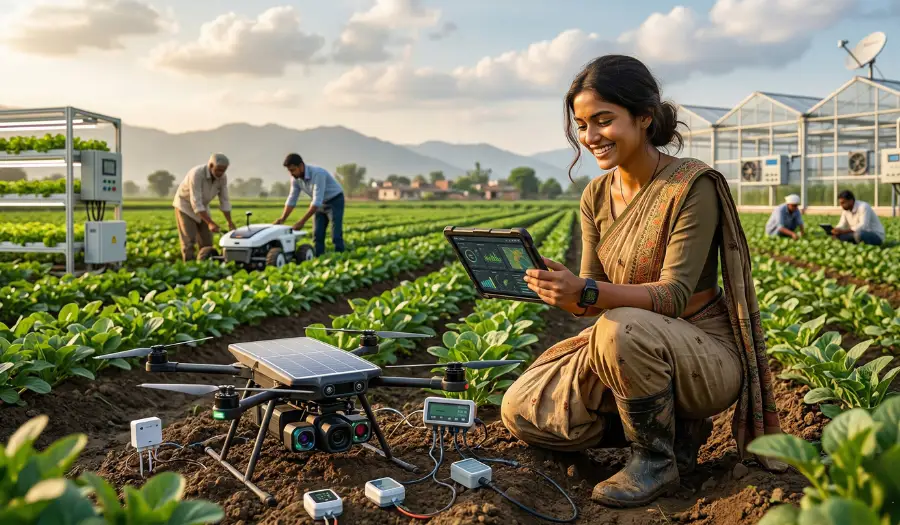
Your job might look totally different in five years. Maybe you're working alongside AI, or maybe your job has morphed into something you can't even dream up right now. It sounds wild, but artificial intelligence in future jobs is already changing how we work, what jobs even exist, and what skills pay the bills. Wondering if this is going to be awesome or a nightmare? Let's get into what's really happening, how it affects you, and what you can do about it.
What's Artificial Intelligence in Future Jobs All About?
At its core, AI means computer systems or machines that do things that usually need human smartslike chatting, spotting patterns, or making decisions. Plug that into jobs and suddenly a lot of what people do every day can be done by algorithms or robots. That doesn't mean "robots steal all the jobs." It means jobs change, some disappear, and new ones pop up. The trick is spotting where you fit in.
- AI job automation: Machines doing repeat tasks
- Future workplace technology: Smart tools that adapt to what you need
- Careers appear that didn't existlike AI trainers or ethical tech guides
- You spend less time bored, more time solving real stuff
Good news? Most jobs won't just go awaythey'll evolve. Tough news? You'll probably need to pick up some new skills. But if you like learning, that's not as scary as it sounds.
What Kinds of Jobs Will AI Changeor Create?
Some jobs are directly in the AI lanethink data scientists, machine learning engineers, people who "teach" the algorithms. But almost every kind of work will use AI tech in some way. Here's what this looks like:
- Retail workers use smart inventory systems that restock themselves
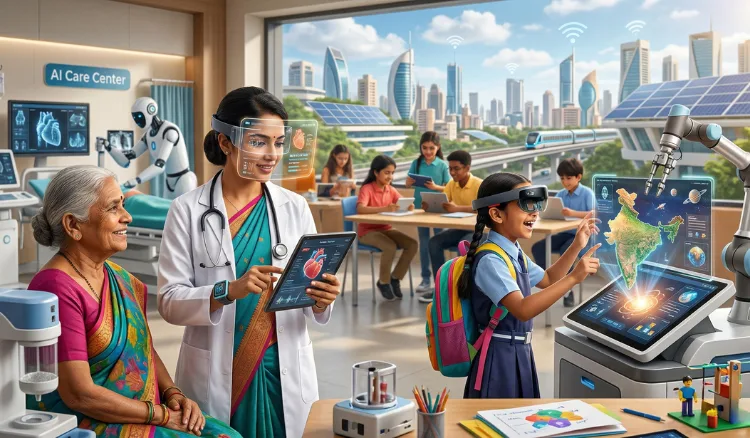
- Healthcare pros use AI to spot diseases or create custom treatments
- Teachers have tools that build lessons based on each student's needs
- Writers (like me) use AI as a sidekick to draft, edit, or brainstorm
- Whole new jobs pop up: digital wellness coaches, data ethicists, even VR "tour guides"
The point? Jobs that blend human creativity with AI power are everywhere. If you try to avoid AI, you'll feel left behind. If you team up with it, you'll stand out.
Why Does AI Matter for the Workforce?
You want more time for interesting work and fewer boring files? AI can help. You want to stay hirable even as tech speeds up? Learning AI basics gives you an edge. But there's worry too: Will AI take over everything? Will companies care less about people?
Here's the real impact of artificial intelligence careers:
- Work is less about repeating the same tasks and more about solving problems
- Businesses need people who can work alongside AI (not just code it)
- You'll need "human" skillsthink creativity, empathy, smart judgmenteven more
Look at it like this: If a robot can do it faster and better, let it. You get to focus on what only humans can do. Jobs won't vanish everywhere, but they'll keep changing. Stay flexible and you'll always find a place.
Common Roadblocks (and How to Dodge Them)
Nobody likes hearing "change or get replaced." But knowing the usual traps helps you avoid them. Here are some of the biggest issues people run into with AI workforce impact:
- Assuming your skill set will last foreverit won't, so keep learning
- Feeling too overwhelmed and refusing to try new tech
- Trusting AI to always be right (it's not, mistakes happen)
- Ignoring the "people side"communication and teamwork matter more than ever
Every job, even the new fancy ones, will have some annoying bits. The trick is to get comfortable being a little uncomfortablebecause that's where real growth happens. I remember when I gave AI writing tools a shot. My first attempt? Total disaster. Gave all sorts of weird facts. But over time, I figured out how to use it to make my job easier, not harder.
How Do You Get Ready for Artificial Intelligence in Future Jobs?
The best shortcut: Stay curious, not scared. Here are some simple, real steps you can take, even if you're not "techy."
- Try out free AI tools for stuff you already do (writing, data sorting, planning)
- Google "AI basics" and give yourself a weekend crash coursedon't overthink it
- Talk to people using AI in your fieldask what worked and what flopped
- Sign up for workshops or online courses if you want to go deeper
- Write down what bugs you at work, then search if AI can help fix it
You don't have to become a coder. You just need to understand what AI can and can't do, and how it fits into your job. Then, you'll spot chances to use it before anyone else.
Which Skills Matter Most in the Age of AI?
You hear "learn to code" everywhere, but that's only part of it. There are two buckets: tech skills, and "people power." Here's what counts for both:
- Basic AI know-how: What is it, what does it do, and how can you use it?
- Problem-solving: Can you spot issues and use tech to fix them?
- Empathy and people skills: Can you work with a team, understand needs, and explain things simply?
- Flexibility: Are you willing to learn on the go and adapt fast?
- Skepticism: Can you tell when tech goes off the rails and needs a human check?
Most "hot" jobs in emerging technology need a mix of these. If you can work with both people and AI, your job options open wide. If you focus on what only humans do best, robots can't replace you.
Making AI Work for EveryoneNot Just the Techies
It shouldn't matter if you're a nurse, a plumber, or a graphic designer. AI is a tool, not a replacement for your brain. What's exciting is that future workplace technology is working its way into jobs across the board. That means you get more controlif you're willing to try new things.
Here's how to make AI a win, whatever your field:
- Look for nagging tasks you hate, and test if there's an AI tool to help
- If your boss isn't bringing up AI, start the convo yourself (you'll look forward-thinking)
- Don't be afraid to failmost people mess up at first
- Share what you learn so others can grow too (teaching is job security in any field)
Every shift in tech creates winners and losers. The winners ask questions, mess up, learn, and share. You don't want to be the one who ignored all the changes until it was too late.
Want a Piece of the Future? Start Small, Start Now
Don't wait for "someday." Play around with AI-powered tools. Watch how your job might shift. Get curious about emerging technology jobseven if they're nothing like what you do now. The more you know, the less freaked out you'll be if big changes come to your work. Plus, you could end up snagging a job that didn't even exist five years ago. Your future self will be glad you did.
FAQ
- What types of jobs will AI replace first?
Jobs with lots of repeat tasks, like data entry, basic customer support, or sorting things, are first in line. Machines do these jobs faster and don't get bored. Some creative parts and people-facing roles will stick around because robots can't replace those yet. - How can I make sure my job isn't taken over by AI?
Learn the basics of AI and focus on people skills. Try new tools before they're required at work. Keep asking how you can use tech to make your job easier instead of waiting for changes to hit you. - What are "emerging technology jobs" in the age of AI?
New jobs pop up as tech changes. Think AI chatbot writers, tech support for smart machines, or people who help companies use data safely. If you like solving puzzles and learning, look for these rolesthey're growing fast. - Do I have to learn coding to work with AI?
Nope. It helps for some jobs but not all. Most jobs just need you to know how AI fits into your field. Later, you can pick up tech skills if you really want to dig deeper. - What's the biggest risk of using AI at work?
The biggest risk is thinking AI is always right. Sometimes it makes mistakes or misses people needs. Always double-check its work and remember there's no substitute for human smarts and common sense. - How can students prepare for future workplace technology?
Try AI tools in your schoolwork or hobbies. Get comfortable playing with new tech. Ask teachers or parents to show you new apps. Experiment while you're youngcomfort with new tech means more job options later.
Start by picking one area of your work or life and letting AI help. The future of work isn't about fighting robotsit's about learning to play on the same team.