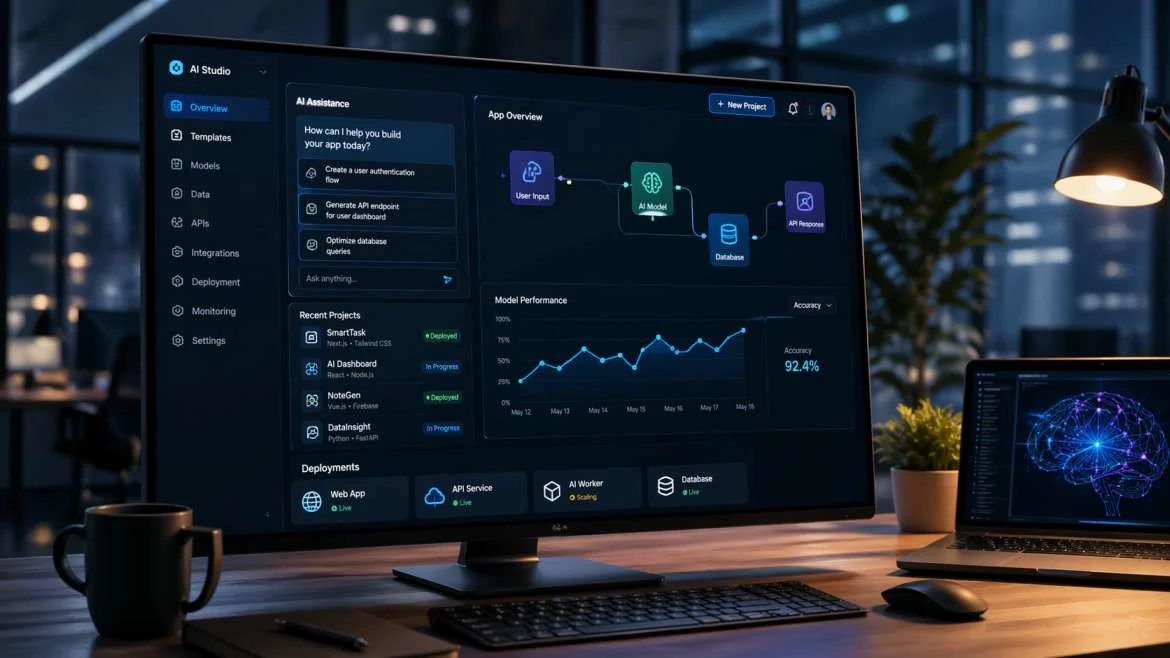
Everyone wants their workday to run smoother. Less hair-pulling, more 'Wow, we got a ton done.' That's where AI for business efficiency comes in. You've probably seen headlines about robots taking over or smart offices, but let's dial down the hype. We're talking about simple toolsstuff you might already use, or could start with tomorrowthat kick up productivity and cut out a lot of boring manual work.
What is AI for business efficiency, really?
It's not magic. Think of AI like a super-reliable coworker who never gets tired of repetitive tasks. AI for business efficiency means using smart software to make boring stuff go away and help people focus on things humans are good atlike problem-solving and creative work. This could be answering routine emails, sorting invoices, or reminding you to call that client back.
- Automated customer service chats
- Software that checks your calendar and finds the best meeting time
- Tools that sort and tag emails so you don't have to
Why should you care? Because nobody likes wasting time or money. When AI takes care of the grunt work, people get to work on actual problems, make customers happier, and avoid burnout.
How does business automation actually look at work?
Business automation is just a fancy way of saying: Let the machines handle the routine work. If you've ever used an app that sends you reminders or sorts your receipts, that's the seed of business automation. Imagine:
- Your invoices go straight from email to accounting software, no manual entry
- Customer questions get answered instantly by chatbots
- Monthly reports build themselves, using the latest numbers
Everyone saves hours. Apps like these show up in HR, sales, supportpretty much every job. The trick is to start small. Automate the worst, most boring task first, then see what else you can set on autopilot.
How does AI process optimization help you work smarter?
AI isn't just about saving time. AI process optimization means finding faster, smarter ways to get the same job done. Let's say your team spends ages figuring out delivery routes. AI looks at the map, checks traffic and weather, and picks the fastest routeno debates, just done. Or maybe you analyze sales numbers. AI spots the trend faster than a human ever could.
- Route planning for delivery vans
- Sorting resumes to find good candidates quicker
- Analyzing customer feedback to spot new product ideas
The end game? More done with less stressand fewer mistakes since AI does the tedious number-crunching.
Is using artificial intelligence solutions hard?
Short answer: It's easier than you think. Sure, building your own AI from scratch is tough. But you don't need to. Most tools already use AI under the hood. You just sign up and go. The hardest part is picking the right toolsbecause there are tons out there.
- Pick a problem (wasted time, missed emails, boring data entry)
- Find a tool that solves it (ask around, read reviews)
- Try the free version before you buy
- Train your team for a week or two
It won't be perfect at firsttech never is. Some folks might grumble at the changes. Stick with it. The payoff kicks in fast once everyone gets used to it. Don't try to fix everything at once or you'll drive everyone crazy. Change one thing, get it working, then move to the next.
What usually goes wrong when companies try AI for business efficiency?
Let's keep it realthis stuff can get messy. Some common mistakes:
- Trying to automate everything at onceleads to chaos
- Picking software that's too complicatednobody uses it
- Not training peopleleaves them annoyed and confused
- Forgetting to check if the tool actually saves time
- Ignoring how employees feel about new tech
Here's what helps: Test one thing, ask people what works, and change course if you need to. Remember, AI is supposed to help humans, not hand out pink slips. If something's not saving time or sanity, it's not the right solution.
What does real workplace productivity look like with AI?
Think about those days when everything clicks. Projects zip along, tasks get checked off, and nobody's drowning in emails. That's the end goal of AI-powered workplace productivitymaking more days run like that. It doesn't mean everyone naps while robots handle the work. It means people stop wasting hours on small stuff and use their brains for the things that matter.
- Fewer mistakes thanks to software double-checking the numbers
- Less time on boring tasksmore time for creativity
- Less burnout, more job satisfaction
The results might sneak up on you. One month it's just easier to find files. Next month, sales teams are closing deals faster because they aren't tied up in paperwork. Over time, it adds up to a big win for everyone at the companyno hype needed.
How do you pick the right AI tools to improve company operations?
Don't stress out trying to pick the "perfect" tool. What works for one company might not for another. Here's a simple checklist:
- Is your main pain point boring tasks, slow decision-making, or too much data?
- Does the new tool play nice with your old software?
- Is it easy for your team to use without calling IT every day?
- Will it actually make work faster or easier?
Talk to your team about what annoys them most at work. That's probably the place to start. Once a solution saves you time, spread it to other parts of the business. The key is making sure people are on boarddon't just dump new tech and hope for the best.
FAQs about AI for business efficiency
- How can small businesses use AI for business efficiency?
Small businesses can use AI to save time on things like scheduling, answering basic customer questions, or sorting emails. Many tools are cheap or even free to start. The best way is to focus on one problem and try a tool that fixes it, before spending big money. - What are some easy ways to start with business automation?
Start with things you waste time on every weeklike reports or sorting files. Lots of simple apps help with these small jobs. Try automating just one task, then see if it actually helps before you add more tools. - Will AI replace human workers?
No, AI helps with boring and repetitive work so people can focus on harder problems. It won't replace humans, but it will change what jobs look like. People will spend less time on data entry and more on planning or talking to customers. - How do I know if an AI tool is working for my company?
If you notice you're spending less time on certain tasks or mistakes happen less, it's working. Check with your team every month to see what's getting better and what's not. If a tool isnt saving time or making things easier, it might not be the right one. - What is AI process optimization in simple words?
It's using smart software to spot ways to do your work faster and with fewer mistakes. AI looks at how you do things now, then suggests or automates better ways to get the job done. You get more done, with less hassle. - Are there hidden risks with artificial intelligence solutions?
Sometimes, yes. If you rely too much on any tool, you might miss mistakes it can't catch. Also, some tools may not protect your data well. Always check reviews, test the tool on real work, and watch for new problems as they pop up.
Making your company run smoother doesn't take a massive tech overhaul. Start with one annoying task. Find a simple AI or business automation tool to fix it. Over time, you'll build up a workplace that feels less stressful and more productiveone step at a time.