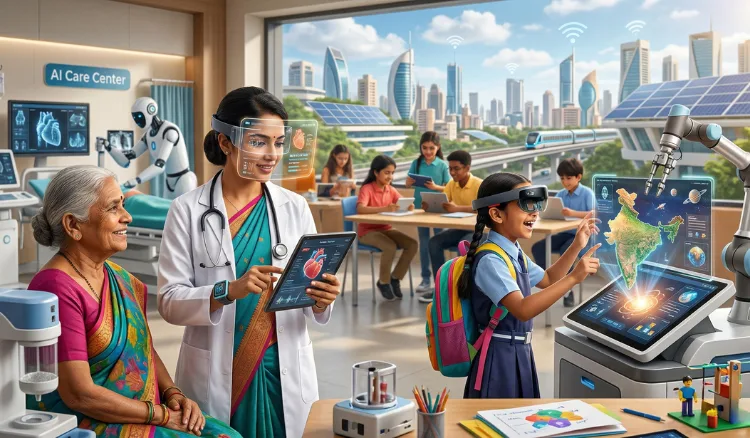
Healthcare is no longer just about visiting a doctor when you’re sick or waiting weeks for lab results. Today, the landscape is changing rapidly, driven by innovation, technology, and visionary leaders determined to make healthcare more accessible, efficient, and patient-centric. At the heart of this transformation are the future leaders—professionals and pioneers who are reshaping the healthcare experience for patients, providers, and communities alike. From the integration of cutting-edge technologies to redefining patient care models, these leaders are setting a new standard in healthcare.
In this blog, we explore who these future leaders are, the innovations they are driving, and how they are transforming healthcare into a more personalized, connected, and proactive experience.
The New Wave of Healthcare Leaders
Traditionally, healthcare leadership was defined by experience in hospital administration, clinical practice, or public health management. While these foundations remain critical, today’s healthcare leaders are increasingly multidimensional. They are tech-savvy, entrepreneurial, and often cross-disciplinary, combining expertise in medicine, data analytics, business, and even behavioral science.
These future leaders are breaking down silos between medical specialties, healthcare administration, and technology. They understand that patient care is not just about treating illness—it’s about anticipating health needs, improving patient engagement, and creating sustainable systems that benefit everyone.
Technology as a Driving Force
One of the most visible ways these leaders are revolutionizing healthcare is through technology. Innovations like artificial intelligence (AI), telemedicine, wearable health devices, and digital health platforms are redefining how patients interact with healthcare systems.
Telemedicine and Virtual Care
The COVID-19 pandemic accelerated the adoption of telemedicine, but future leaders are ensuring its presence is permanent and meaningful. By providing care remotely, patients save time, reduce travel costs, and gain access to specialists that may be hundreds of miles away. Telemedicine leaders are now focusing on making virtual care more personalized. This includes integrating AI-driven symptom checkers, electronic health records, and remote monitoring devices to provide care that feels both immediate and tailored to individual needs.
AI and Predictive Analytics
Artificial intelligence is no longer just a buzzword—it’s a tool transforming decision-making in healthcare. Future leaders leverage AI for predictive analytics, which can forecast patient risks, optimize hospital resources, and even detect diseases in early stages. Imagine a system that predicts heart attacks before symptoms appear or flags potential complications in high-risk pregnancies. These advancements aren’t just futuristic concepts; they are actively improving patient outcomes today.
Wearable Technology and Personal Health Data
Wearables like smartwatches and health trackers have moved beyond step counting. Future healthcare leaders are using data from these devices to create highly personalized health plans. Continuous monitoring allows for early intervention, chronic disease management, and lifestyle optimization. Leaders in this field emphasize the importance of data privacy, ensuring that patients retain control over their information while benefiting from actionable insights.
Redefining Patient-Centric Care
While technology is a key driver, the most significant impact of future leaders lies in their patient-first approach. Healthcare has historically been provider-centric, focusing on procedures, schedules, and institutional priorities. Today’s leaders are flipping that model to prioritize the patient experience.
Personalized Healthcare
Personalization in healthcare goes far beyond tailoring treatment plans based on age or medical history. Future leaders are creating ecosystems where care adapts to each individual’s lifestyle, preferences, and genetic profile. Genetic testing, personalized medication, and even AI-driven wellness recommendations are making healthcare more precise than ever before.
Improving Access and Equity
Access to healthcare remains uneven, particularly for underserved populations. Emerging leaders in healthcare are tackling this challenge head-on, using mobile clinics, telehealth services, and community-based programs to reach those who have historically been left behind. By leveraging technology and innovative outreach strategies, they are ensuring that quality healthcare is not a privilege but a right.
Mental Health and Holistic Care
Another hallmark of the new generation of healthcare leaders is their emphasis on mental and holistic health. They understand that physical wellness is closely tied to mental and emotional well-being. As a result, mental health services are increasingly integrated into primary care settings, supported by digital platforms that allow for confidential therapy sessions, self-care guidance, and community support.
Entrepreneurship and Innovation in Healthcare
Many of the future leaders transforming healthcare are not traditional hospital administrators or government officials—they are entrepreneurs. They see opportunities to address inefficiencies, improve patient outcomes, and create scalable solutions that can be applied globally.
Healthtech Startups
Healthtech startups are leading the charge in innovation. From AI-powered diagnostic tools to digital therapeutics, these companies are challenging traditional models and creating entirely new ways for patients to manage their health. Future leaders in this space combine medical expertise with a strong understanding of technology and business, allowing them to disrupt conventional practices responsibly and effectively.
Collaboration and Interdisciplinary Leadership
Revolutionizing healthcare requires collaboration across disciplines. Leaders today are forming partnerships between tech companies, healthcare providers, research institutions, and patient advocacy groups. These collaborations enable the sharing of data, research insights, and best practices, ultimately leading to faster innovation and better patient outcomes.
Education and Training for the Future
Preparing future healthcare leaders is as important as their work in the field. Education programs are evolving to include training in digital health, leadership, ethics, and patient engagement. Interdisciplinary learning ensures that tomorrow’s leaders are not just skilled clinicians but also visionaries who can navigate complex healthcare systems.
Mentorship and hands-on experience are also critical. Emerging leaders benefit from opportunities to work on real-world projects that test their ability to innovate, collaborate, and make data-driven decisions. By investing in education and leadership development, the healthcare sector ensures a pipeline of professionals capable of driving meaningful change.
Success Stories That Inspire
Across the globe, future leaders are already making waves. Some are creating AI-powered diagnostic tools that reduce errors in radiology, while others are establishing telehealth networks that serve rural populations. There are leaders using mobile apps to manage chronic conditions like diabetes, ensuring patients have real-time support and guidance. Each success story underscores a common theme: healthcare is becoming more patient-focused, technology-driven, and outcome-oriented.
These stories also highlight resilience and creativity. Many leaders face resistance from traditional systems, budget constraints, and regulatory hurdles. Yet, their commitment to improving patient care ensures that obstacles become opportunities for innovation rather than barriers.
The Patient Experience of Tomorrow
So, what does the future healthcare experience look like for patients?
-
Seamless Access: Scheduling appointments, accessing medical records, and receiving care will be more streamlined and digital-first.
-
Proactive Care: Preventive medicine will take center stage, with AI and predictive analytics identifying health risks before they become critical.
-
Personalized Treatment: Treatments will be customized not just to medical history, but also to genetics, lifestyle, and personal preferences.
-
Integrated Care: Mental, emotional, and physical health will be treated holistically, with easy coordination across specialists and services.
-
Empowered Patients: Patients will have greater control over their health data and decisions, supported by transparent communication and shared decision-making.
In essence, the future of healthcare is not just about curing diseases—it’s about enhancing lives.
Challenges Ahead
While the progress is exciting, the journey is not without challenges.
-
Data Privacy and Security: As more health data becomes digital, protecting patient information is paramount.
-
Equity and Accessibility: Technology must not widen the gap between those who have access to healthcare and those who don’t.
-
Regulatory Hurdles: New healthcare innovations often face complex approval processes that can slow down implementation.
-
Sustainability: Cost-effective solutions are needed to ensure innovations are scalable and long-lasting.
Future leaders are addressing these challenges head-on, finding creative solutions that balance innovation with responsibility.
Conclusion
The healthcare landscape is evolving at an unprecedented pace, thanks to a new generation of leaders who are combining technology, empathy, and entrepreneurial thinking to transform patient care. These innovators are not just improving the way we treat illness—they are redefining the entire healthcare experience, making it more personalized, accessible, and proactive.
As patients, we are already seeing the benefits: faster diagnoses, more convenient care, personalized treatments, and a healthcare system that listens and responds to our needs. The future of healthcare is bright, and it is being shaped by leaders who refuse to accept the status quo.
The revolution is not coming—it is already here. And it is being led by visionaries committed to creating a healthcare system that works for everyone, every day.