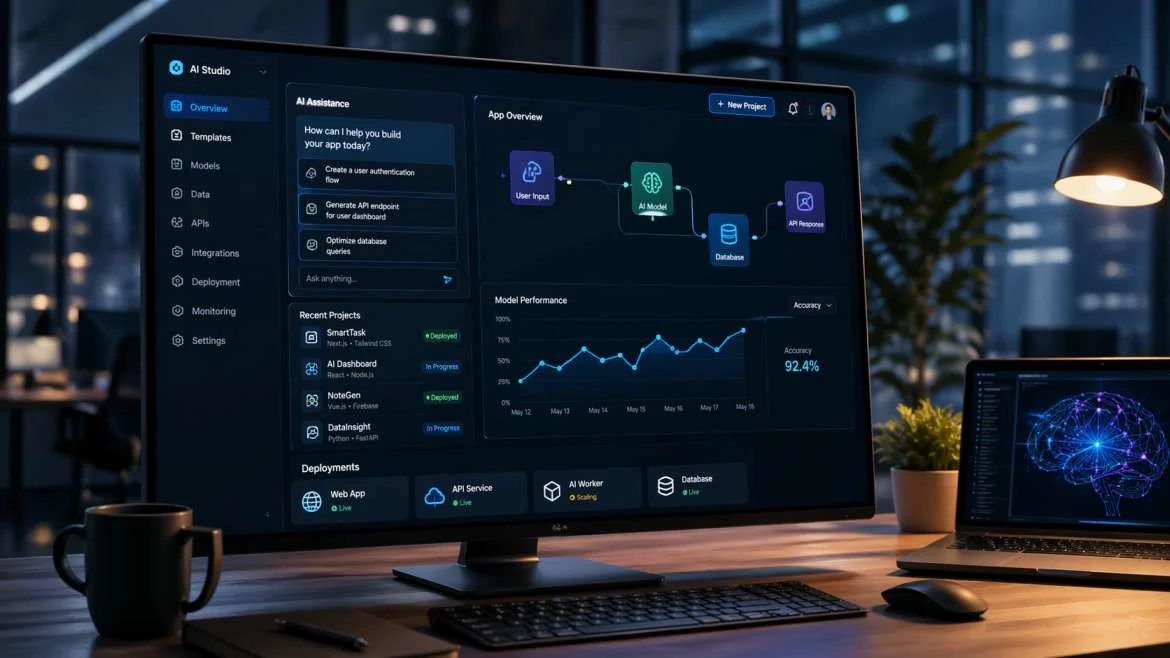
You know those days when you spend more time fixing little mistakes or searching for files than actually doing your work? Everyone hits that wall. That's where a workflow designer comes in. It doesn't matter if you're running a solo side hustle or managing a teamstreamlining how things get done makes life smoother. By the end of this, you'll see how to build a workflow that helps you work smarter, dodge headaches, and maybe even log off a little earlier.
What's a Workflow Designer, Anyway?
Think of a workflow designer like a tool for mapping out how your work gets donestep by step, automatically or with just a few taps. You'll see the whole process, catch all the tiny tasks that stack up, and cut through the clutter. It brings structure (but not the boring kind) to anything that repeats or takes up too much brainpower.
- Workflow designer: Software or tool that sets up, visualizes, and manages your work tasks.
- Lets you create rulesif X happens, do Y automatically.
- Works for repetitive daily to-dos or more complex projects.
This matters because sloppy processes cost you time and energy. If your routine has gotten messy, or things keep falling through the cracks, a workflow designer helps you put everything in order, fast.
Why Should You Care About Workflow Management?
Every day, small distractions and minor mistakes chip away at your time. Good workflow management stops that. You're not reinventing the wheel each time you start something new. Instead, your work follows a smooth path. Plus, you avoid missed emails, skipped approvals, or forgotten steps.
- Less mental load: You don't have to remember everything.
- Consistency: Your results stay predictable. Fewer surprises.
- Less stress: No more last-minute scrambles.
When I set up my first proper workflow, I realized I was repeating the same copy-paste steps a dozen times a day. Automating those with a simple workflow designer freed up an hourdaily. It feels like getting found time.
How Does Workflow Automation Work?
Workflow automation takes your mapped-out processes and lets the software run with them. If your process is: receive an email, save an attachment, send it to your teamautomation does the clicking for you. You just watch it happen or get a heads-up only if something needs your attention.
- Set up triggers (like a new email or form submission)
- Define actions (move files, add tasks, send alerts)
- Let it run. Review results as needed.
Things can go wrong if your setup is too tangled or you skip steps. Start simple. Automate one job at a time. If something breaks, youll find out fastand can fix it before its chaos.
Where Do Workflow Tools Fit In?
Maybe youre thinking: Do I really need more software in my life? Good newsmost workflow tools are either dead simple or have just the features you need without bloat.
- Drag-and-drop designers (no coding stress)
- Templates for common processes (so youre not starting from zero)
- Alerts when something needs your decision
I tried out five workflow tools before sticking to one. Why? The main thing is finding something that fits your brain. If you hate extra clicks, pick software thats fast and friendly. Some people need lots of settings; others want barebones simplicity. Test a few free trials to see what sticks.
How To Build Your First Workflow (Without Getting Lost)
This doesnt have to be fancy. Heres a dead-simple process you can follow:
- Think of one thing you do all the time (sending invoices, onboarding a client, publishing social posts).
- List every stepdown to tiny details.
- Mark what you can automate (drag files, send emails, reminders).
- Use a workflow designer to lay it out visually.
- Test it live, once or twice, to catch snags.
- Tweak as you go. Itll never be perfect from day one.
When I first mapped my freelance writing process, I realized half my panic attacks were from misplacing drafts or losing track of client edits. Tossing that in a workflow tool saved my sanity (and a lot of apology emails).
Common Workflow Designer Mistakes (And What To Do Instead)
Nobody gets this right the first try. Heres what trips up most beginners:
- Making it too complicated. Start with one workflownot your whole business.
- Ignoring feedback. If teammates say a step is confusing, listen and fix it.
- Automating broken processes. Bad steps stay bad, even if theyre automatic.
- Forgetting to update. Check your workflow software every month. Make tweaks as your work changes.
Your process builds over time. Start basic, get feedback, and level up step by step. Workflow designers are super flexibleyou just need to give yourself space to learn.
Signs Your Workflow Needs a Tune-Up
- You keep asking, 'Did I send that file?'
- Clients or coworkers nudge you for updates
- Your inbox has too many unread emails
- You skip steps (and have to double back)
- Work feels messy, even if youre getting things done
If that sounds familiar, a workflow designer blueprint is calling your name. Fixing one process can ripple outless stress, fewer mistakes, and more time for stuff that matters.
Blueprint: A Beginners Secret To Process Optimization
Heres a no-nonsense blueprint to get your workflow set up, even if you hate tech:
- Pick a workflow designer tool with a simple dashboard
- Draw out your usual steps (dont get fancyboxes and arrows work)
- Set checkpoints (what has to happen before moving forward?)
- Decide which steps you could automate with workflow software
- Add reminders and alerts for critical tasks
- Share with anyone whos involved, ask for feedback, and adjust
This isnt about making you a robot. Its to make your work predictable and easy to tweak when life (or business) goes sideways.
FAQ: Workflow Designer Basics
- What is the easiest way to start with workflow management?
The easiest way is to pick one part of your job that frustrates you most. List every step, then use any simple workflow designer to lay it out. Dont worry about automating everything at once. Small wins matter more and are easier to stick with. - Which workflow automation tasks save the most time?
Common ones include sending out the same emails, moving files after a form is filled out, and setting repeat reminders. Anything boring or that makes you think 'not again' is a good pick for automation. - How do I pick the right workflow tools for my needs?
Try free versions of 2 or 3 popular workflow software tools. Pick the one that feels easiest to use. If you get stuck during setup, thats a red flag. The best workflow tool for you is one you wont dread using every day. - What should I avoid when optimizing a process?
Avoid automating things you havent tested manually first. Fix broken steps and get feedback before locking anything in. Over-automating can make things harder to change later. - Is workflow software worth it if I work alone?
Yes, it can be a life-saver. Even solo workers drown in repeated tasks. Setting up a tiny workflow saves brainpower, keeps things consistent, and makes scaling up feel less scary if you grow later. - How often should I update my workflows?
Review your main workflows every month or so. If you change how you work or take on new projects, take five minutes to tweak your workflow designer setup. It keeps things fresh and avoids problems down the road.
The bottom line? Map one task this week. Automate what makes sense. Keep updates simple. Youll feel the differenceand your future self will thank you.