


Why do classic cars make your heart skip a beat even if they charm with their imperfections? In some cases, you must ignore a litany of shortcomings. For heavily appreciating models, even if the car hasn't gained a single horsepower, shed a pound, or improved its build quality, comfort, or driving experience, collectors may still value it hundreds of thousands of dollars more because they love it more now. If your head and heart are both in the right place, justifying these 20 classics may prove tough.
Volkswagen Type 2 Bus
Is there anything more nostalgic than an early Volkswagen Bus? You better believe that the sellers are counting on that nostalgia. You may be taken aback to discover that well-maintained split-window buses can actually command insane prices—despite their slow speed and sparse interiors. Are you simply paying for the aesthetic and the historical nostalgia associated with them? Well, actually, yes.
Porsche 356
It might not have the specs, but collectors have seen the Porsche 356 shoot up dramatically in value. Could you believe that some of the early versions had less than 100 horsepower? Even the quicker models seem pretty mild compared to what came later. Honestly, if you're really after that authentic Porsche feeling, isn't there a better value to be had?
DeLorean DMC-12
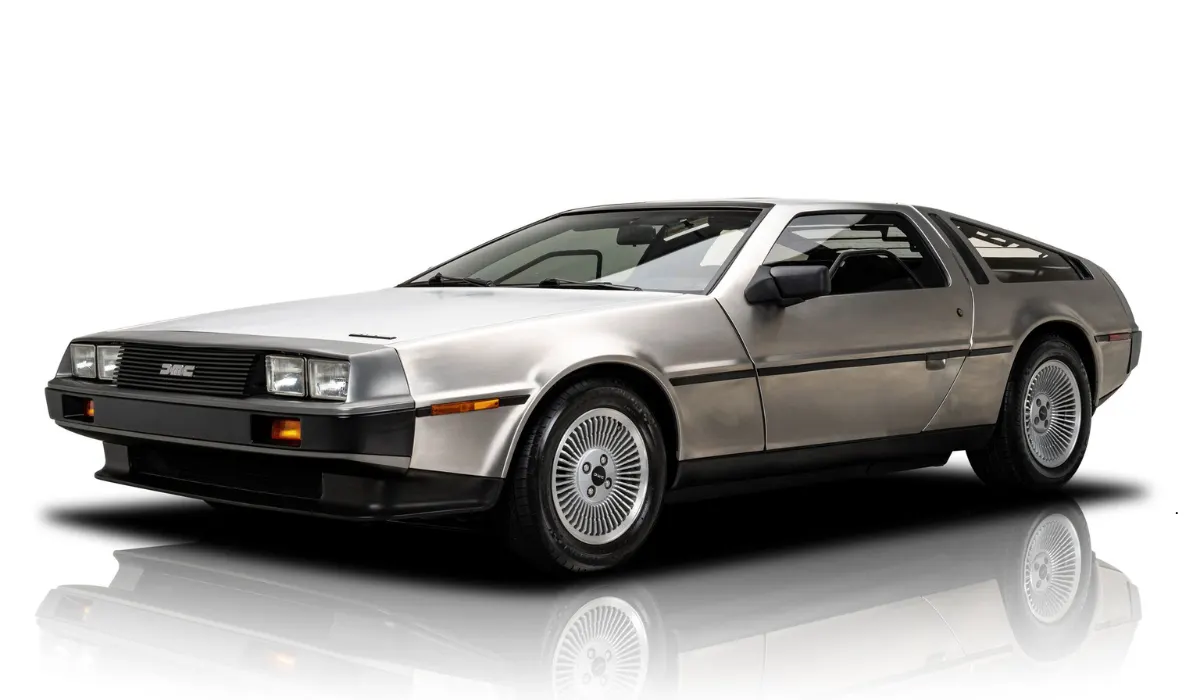
Always wanted to arrive in style? The flashy '80s styling, chrome body and iconic gull wing doors on the DMC-12 scream "designer car." But the V6 engine under the hood offers only a little more muscle than your average lawn mower - about 130 horsepower. Does it live up to its star power? Well, you'll turn some heads at the pump!
Toyota 2000GT
Ever wondered why auto enthusiasts regard the Toyota 2000GT as such a sought-after vehicle? It's beautiful, limited in production, and an important piece of Japanese automotive history. That's probably what you would imagine is its main attraction. The fact of the matter is, many collectors pay a price tag for it that you would expect of much more exotic vehicles. An inline-six engine produced around 150 horsepower, which was a respectable performance figure back in the '60s but isn't much to write home about in this day and age.
Ford Bronco
Have you ever observed how the first-generation Broncos have transformed from well-used, unattractive workhorses into expensive 'collector' models? They definitely have a cool factor, if somewhat naively basic, but that bare-bones design also results in a rough ride and outdated technology. So, while the Bronco remains a great-looking, lovable vehicle, doesn't everyone sometimes prioritize that sense of modesty?
Chevrolet Corvette C1
Have you ever wondered why the first-generation Corvette holds such a prestigious status as an American automotive styling icon? After all, it is the striking looks that we remember most vividly about the Corvette, especially that handsome aesthetics found in its classic dual-headlight design. The one catch is that early Corvettes didn't focus solely on speed, as their primitive suspension, drum brakes, and a slight wiggle in the body structure all clearly attested to.
Jaguar E-Type Series 1
Well, did you know that Enzo Ferrari himself thought the E-Type was beautiful? You would think that it was pretty special today, and you'd definitely be right about that. The only thing is that Series 1 cars tend to be a bit expensive to maintain even with their pesky electrical issues, costly maintenance, and slightly uncomfortable driving position. They are great to drive on the perfect road when they're in a good mood, but is it really worth the high price tag?
BMW 507
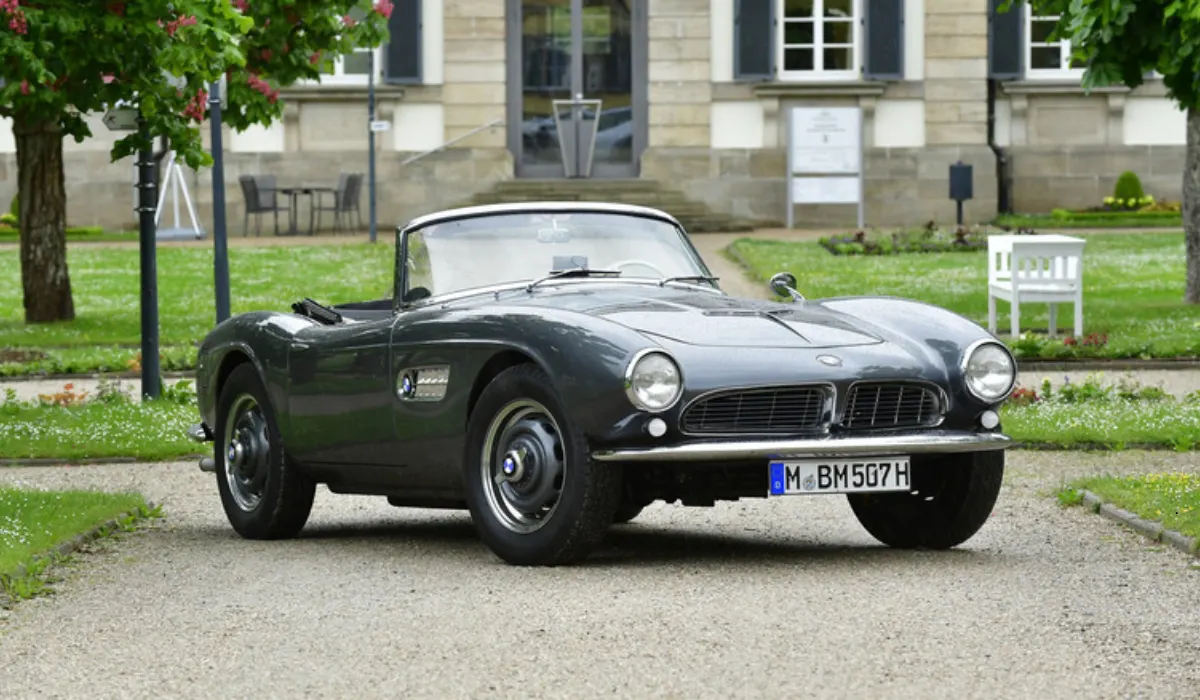
Have you ever wanted to find out why many consider this an extremely limited car? Its extreme value has made it one of the most valuable exotic cars in the world. You're not buying a 150-mph car, as the 3.2-liter V8 engine only produces about 150 horsepower. However, enthusiasts regard this as a collector's car with extraordinary body, rarity, and significance! Can you make sense of that from a purely mechanical perspective?
Land Rover Series IIA
Ever seen those cool old-school Land Rovers that have a battered appearance which is considered way cooler than some flashy modern monstrosity? If you are into the idea of buying something with agricultural blood, be prepared to exert yourself with driving, sluggish performance and mind-boggling amounts of noise. Comfort? Just put it out of your mind back then. Would thousands be paid by you for these tractors?
Ferrari Dino 246 GT
Have you ever been curious as to how the Dino once held the title of underdog in the prestigious Ferrari family? For decades, the car faced embarrassment in comparison to the company's flashy V12s, which positioned it as one of the more affordable and charming old-school Italian exotics. While collectors continue to envy the Dino, it is due to its remarkable design and agile handling that captivates the heart. You might be wondering, how does it perform on the road? Back in Europe, the V6 delivered roughly 195 horsepower, which seems modest compared to today's standards—hence, today's price tags are fueled more by the exquisite beauty and rich Italian heritage that surges through this iconic vehicle.
FAQ's
What makes a classic car "overpriced"?
Prices are usually driven up by nostalgia, pop-culture fame, and pure speculation rather than actual engineering performance, comfort, or rarity.
Are these cars actually bad to drive?
Not necessarily, but many feature crude 1960s suspension, heavy steering, drum brakes, and sluggish horsepower that pale in comparison to modern commuter cars.
Why do certain models command million-dollar tags?
Artificial scarcity, aggressive auction hype, and collector hoarding turn ordinary weekend cruisers into high-stakes financial assets.
Are prices for these overvalued classics dropping?
Yes, market corrections are underway as older generations phase out and younger buyers shift interest toward more reliable 1990s modern-classics.
Which specific models take the hardest hit?
Vehicles like early Volkswagen Buses, base-model Porsche 356s, and early muscle cars often cost vastly more than their basic driving dynamics justify.