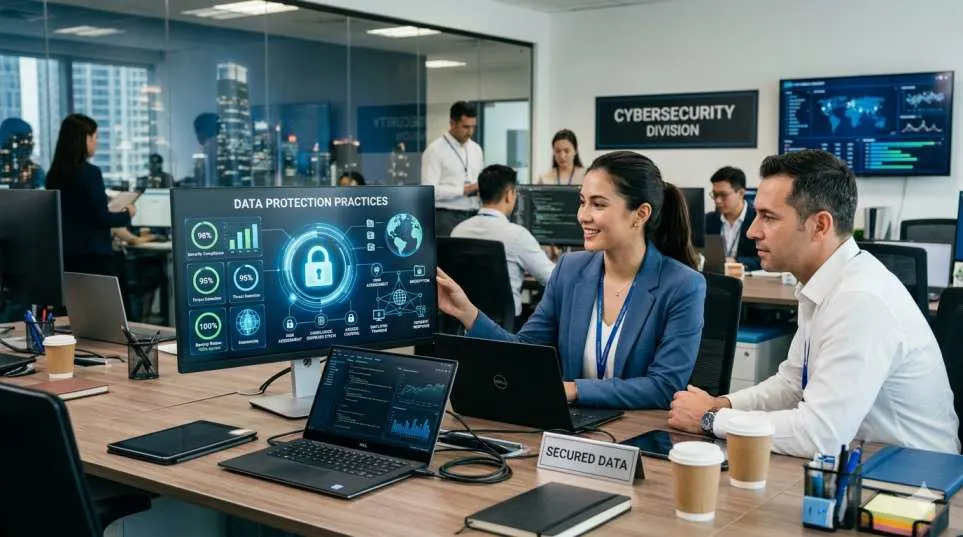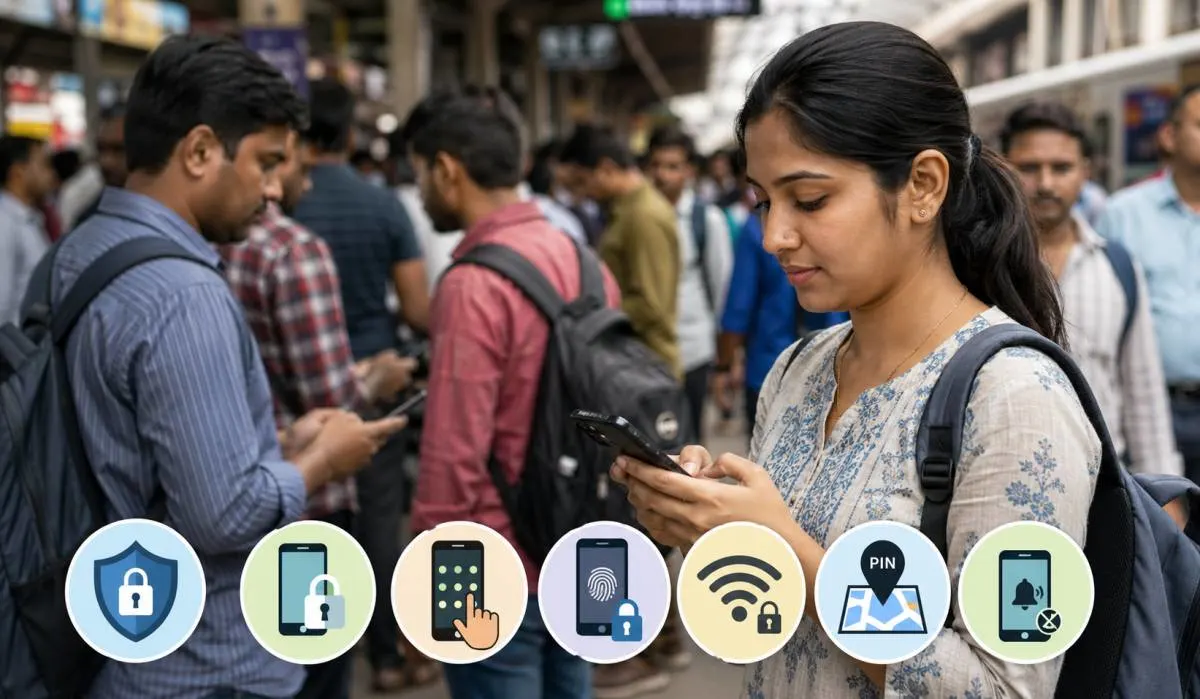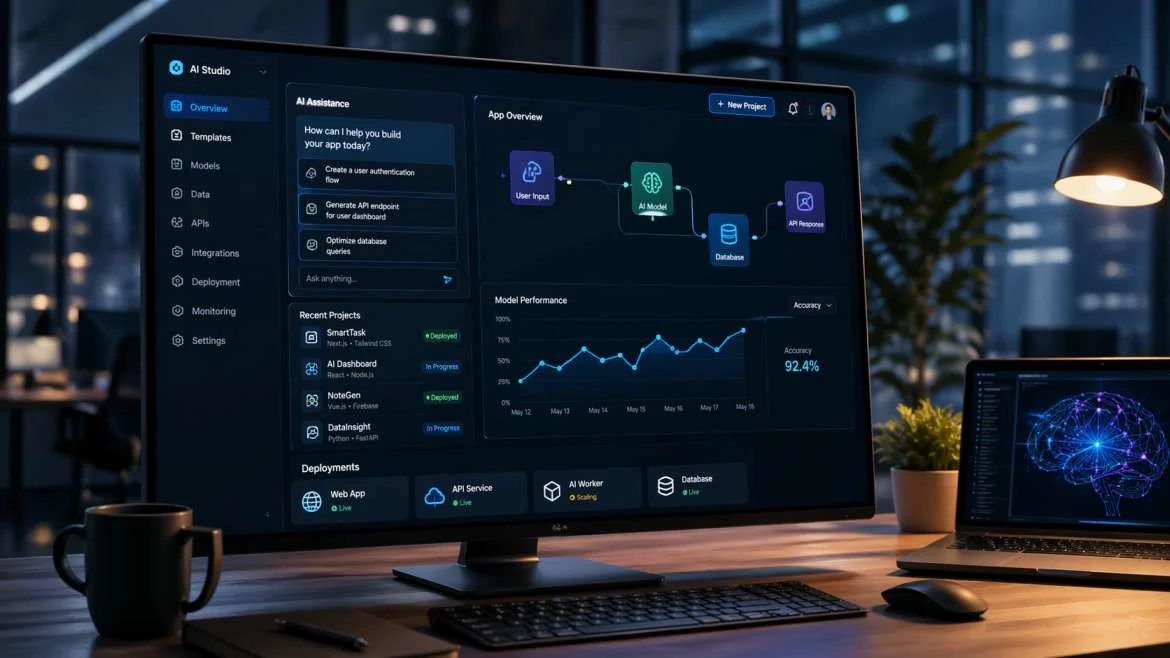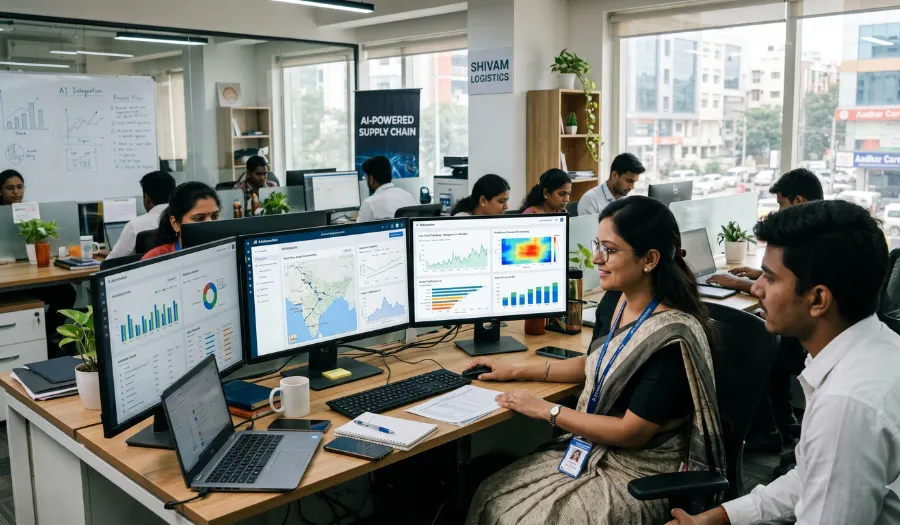
Cyber security used to be simple. You logged in. You were trusted. You state inside the system. That model does not work anymore. Today, threats. Do not always come from outsiders. Sometimes they come from stolen passwords. Sometimes from your computer compromised devices. Sometimes from accounts that look legitimate but are not. That is why zero trust has become such a big deal in a computer technology. Zero trust does not mean being paranoid. It means being realistic. It assumes that no user, device or connection should be trusted automatically – even after login in. Every action is checked. Every request is verified. What is interesting is how modern cyber security trends are quietly pushing zero trust forward without making life harder for users. In many cases you are already living inside a zero trust system without realising it. Let us walk through the key. Cyber security trends are making zero trust possible – explain simply, clearly and cybersecurity trends in computer technology driving zero trust.
Why zero trust exist in first place?

Years ago, cyber security worked like a fence. If you are inside the fence, you are trusted. If you are outside, you are blocked. The problem is that attackers learn how to jump the fence. Once inside, they moved freely. They explore systems, exist files, and cause damage before anyone notice. Zero trust changes the question from any are you inside? 2 should you be allowed to do this right now? That mindset shifted is what modern computer technology is built around.
Read Also: Latest Security Technology Products for Data Breach Prevention
The first trend identify is more important that location –
One of the biggest changes driving trust is assistance identify users. It no longer matters where you are. What matter is who you are. Modern systems check identity singles. They look at your login behaviour, your device, your usual patterns and your past activity. If something feels different axis is limited. This is while login in from a new phone or a new country often trigger extra verification. The system is not being annoying. It is protecting you. Zero trend depends on that trend Because identity is harder to the location.
Second trend is continuous verification instead of one time login
To be the finish line. Now it is just the starting point. Modern cyber security tools, continue checking throughout your sessions. They monitor actions quietly in the background. If behaviours are only changes, the system reacts. This is major reason zero trust works so well today. And attackers might still login details, but keeping access becomes much harder. The moment something feels wrong, permission, shrink or sessions. Security is no longer a single gate. It is a series of small checkpoints.
Third trend is devices are treated as potential risk
And zero trust devices are not automatically trusted. Your laptop, phone or tablet is check cons constantly. Systems looked at whether it is updated, protected, and behaving normally. If your device was behind on updates starts, strangely acting, access is reduced. This happens even if the user is correct. This matter because many attacks being with infected or outdated devices. By watching devices closely, zero limits, how far damage can spread.
Trend four is cloud technology makes zero trust practical
Zero trust was one difficult to implement . Cloud computing changed that. Modern cloud platforms are built around identity based access, detailed permission and real time monitoring. This they allow systems through verify users and devices instantly without slowing things down. This is why zero trust adoption has accelerated so quickly. The cloud does not lie on the fixed network. It lies on identities, rules and behaviour – which fits perfectly with zero trust thinking.
Trend five is behaviour analysis, replace simple rule, checking
Security tools for fix role. Modern system watch behaviour. They notice patterns. They learn what normal activity looks like. When something changes suddenly, they respond. This trend is critical for zero trust. Instead of trusting someone because they logged incorrectly, system trust action only as long as they make sense. The movement behaviour feels of access is questioned. This does not interrupt normal users. It quietly block threats.
Trend six is least privilege access is becoming the default

Another major shift in computer tech technologies is how access is granted. Users no longer get bored permission just in case. They get only what they need only when they need it. This is called least privilege access and it is a core zero trust Principal. If an account is compromised, the damage stays limited. Attacker cannot move freely because permissions are tightly control. This trend reduce risk without slowing down daily work.
You May Also Like: Latest Security Technology Products That Improve Zero Trust
Trend seven security is built into the user experience
Zero trust would fall if it made life miserable. Modern securities understand this. They aim to protect user without overwhelming them. Extra verification happen only when needed. Most of that time everything feels normal. Clear warnings replaced technical jargon. System guide user instead of confusing them. This human focus design is why trust works at scale. People cooperate the system they understand
Print, four as recovery and damage control are the part of security
Zero trust accept an important truth. No system is perfect. They that is why modern cyber security includes a strong recovery tools. Backup, access logs and fast isolation help organisation respond quickly when something goes wrong. Instant of assuming breach would not happen, trust prepares for them. This mindset, reduce panic and shorten recovery time.
How these trends affect every day users?
Most people do not notice zero trust directly. They notice – login alerts, verification, course, blog, suspicious activity and secure cloud access. What they do not see is a constant checking happening behind the scene. Zero trust does not demand technical skills from user. It adapt around them. That is why it is becoming the standard in the modern computer technology.
Why zero trust is the future of the cyber security?
Cyber threats are faster, smarter, and harder to detect them before. Sad defence cannot keep. Zero trust works because it stays alert all the time. It does not rely on assumptions. It verifies continuously. As systems become more connected and remote work becomes normal, zero trust fits naturally into how technology operates. It is Not a trend that will fate. It is the foundation that modern cybersecurity trends in computer technology driving zero trust.
Conclusion
Zero trust is not about attracting people. It is about protecting them. The cyber security trends shaping computer technology to focus on awareness, verification and adaptability. They reduce damage, limit to risk and keep systems is stable even when something goes wrong. The best part? Most of the protection happens quietly. You login. You work. You live your digital life. Behind the scenes, zero trust is doing its job.