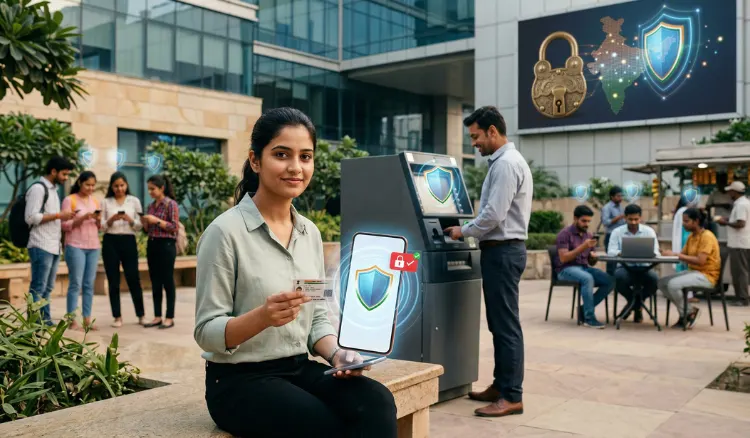
Today's healthcare system is rapidly becoming digital. Small clinics, nursing homes, pathology labs and dental clinics are also now dependent on computers and the Internet. Reports of patients, records of medicines, payment details and personal details have now moved from paper to digital files.
This digital facility is as easy as it is risky. A little carelessness can lead to a big data breach. A data breach is when a patient's personal information gets into the wrong hands. This erodes the trust of the patient and tarnishes the image of the institution.
Small healthcare institutions do not have the resources of big hospitals. Still, data can be secured by receiving the right habits and the right rules. Below are 10 fundamental measures that help avoid data breaches in little healthcare environments.
Explain the Importance of Patient Data to Everyone
Data security starts with awareness. If the staff doesn't know how important data is, no technology will work. Every employee should understand that the patient's data is not just a file, but is related to his personal life. Many times the staff sends the report to someone else without thinking. Sometimes the computer is left open.
Read Also: Cyber Security for Top Management: Strategy Over Tools
These small things can lead to big problems. Therefore, it is necessary to explain to the staff repeatedly. Explain in simple terms what damage can be caused by a data leak. A patient's confidence can be lost. There could be some legal issues. The reputation of the clinic can fall. When people understand this, they themselves become cautious.
Adopt a Strong Password and Login System
Weak passwords are the greatest cause of information breaches. Even nowadays, many clinics utilize simple passwords like 1234 or password. Such passwords are hacked in a matter of minutes.
A solid password is required for each framework. A password ought to contain letters, numbers, and special characters. The password ought to not be too short. It is too important to alter the password periodically.
Also, each employee ought to be given a partitioned login. Having the same ID for everyone is dangerous. It is not clear who made the mistake. Separate logins fix responsibility and increase security.
Give Access to Data Only to Those Who Need It
Not every employee needs to see every patient's data. Still in many places everyone is allowed to open the whole system. That's a big mistake. The reception staff only needs an appointment and basic information. The nurse needs information related to the treatment. The account staff needs billing data.
Giving everything to everyone increases the risk. When access is granted as needed, the chances of both error and theft are reduced. This is called the rule of "least access." This small step provides great security.
Always Keep the Computer and Software Updated
Old systems and software lack security. Hackers easily target such systems. Many data breaches occur simply because the system hasn't been updated. It is important to update every computer on time.
The operating system, antivirus and medical software all need to be updated. The update adds a new layer of security. Even if the clinic does not have an IT team, periodic check-ups can be done from a trusted technician. It's not an expense, but an investment in safety.
Use Anti-Virus and Firewalls
Antivirus and firewalls are the basic tools of data protection. Yet, many small healthcare centres ignore them. A system connected to the Internet without security is an open door. Antivirus protects against viruses, malware and phishing attacks.
The firewall prevents dangerous traffic coming from outside. Together, they make the system safer. Cheap or free software can also provide initial protection. It is important not to give up security.
Back Up Patient Data on a Regular Basis
Data breaches don't just happen. Sometimes the data is lost due to a system failure or a ransomware attack. Backups are very useful in these times. All files need to be backed up in a separate location.
You Must Also Like: Cyber Security for Top Management to Prevent Costly Breaches
It can be a hard drive, pen drive, or secure cloud. Backups should be regular, not once a month. When the backup is safe, the work does not stop in case of an emergency. The patients are being given treatment without interruption.
Be Careful With Links and Emails
Phishing emails are the most common threat today. These emails look real, but there are dangerous links inside. A single click can infect the entire system. Teach staff not to open unknown emails.
Don't click on strange links. If the email seems suspicious, ask first. This habit can prevent data breaches to a great extent. Safety is the biggest concern here.
Protect Paper Records and Physical Files
Along with digital, paper records should also be safe. Many times people just worry about the computer and leave the file cupboard open. Keep the patient's files locked.
Give the key only to the authorized person. Correctly destroy the old records. Digital security is as important as physical security. Both go together. Plan immediate action in the event of a data breach.
Many institutions think that there will be no data breach here. This thinking is dangerous. There's danger everywhere. Come up with a simple plan. If the data is leaked, who will be informed? how the system will be shut down. How will patients be informed? When there is planning in advance, losses are minimized and panic does not spread.
Maintain the Confidence of the Patients
After all, trust is the most important thing. The patient gives his data because he trusts the institution. This trust should not be broken. When the institution takes safety genuinely, the patient moreover feels secure. Clear rules, transparency and accountability construct trust. Data security is not fair around technology. It is a thought and a responsibility.
Conclusion
Data security is not a big or expensive thing for small healthcare institutions. It starts with the right habits, awareness and simple measures. When the staff is alert, the framework is updated and the rules are clear, the risk of an information breach is greatly reduced.
Protecting patient information is not only a legal duty but moreover a moral duty. In today's world, the same healthcare institution will move forward, which will give priority to trust and safety.