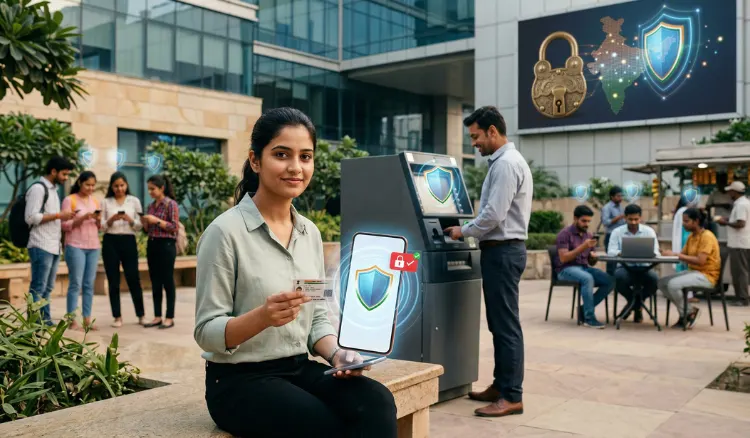
If you're a top executive, you're a target. Not for your looks or your leadership style, but for what you know and the access you have. Cyber crooks aren't just going after your companythey want you. Some execs think security is just IT's job, but here's the truth: the higher you climb, the more you need to watch your digital back. Let's break down what every executive needs to know about cyber security, without the headache.
Why Are Executives Prime Targets for Cyber Attacks?
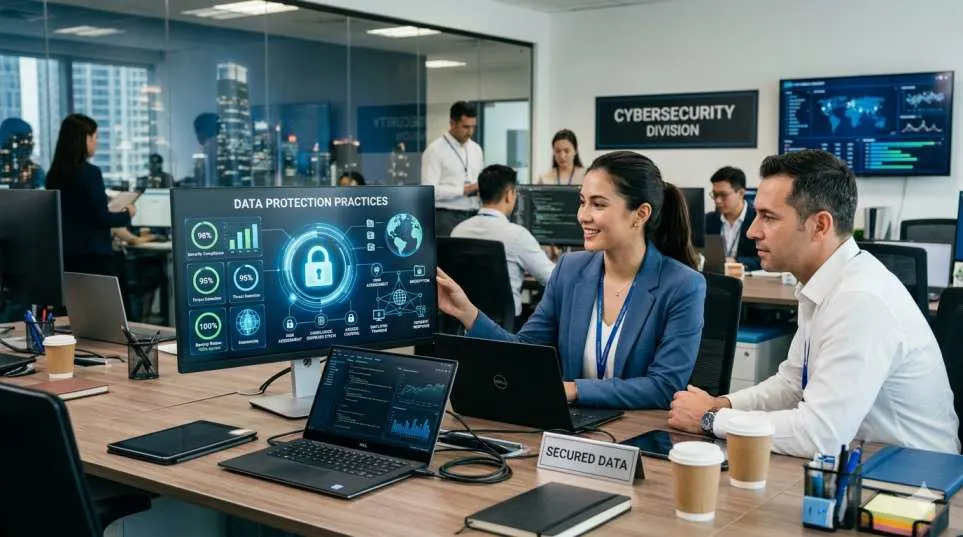
Executives usually have the keys to the kingdom: passwords, contracts, company secrets, even personal info. Hackers know this, so they aim right for the top. They may use fake emails, social media, or even pretend to be someone you trust to get to you. It's not random. They're looking for weak spots, and busy leaders who move fast are often easier targets.
- Executives have access to sensitive deals and data
- Hackers can impersonate you to trick others
- Your name carries authority, so people trust your digital messages
If you get hacked, it can put the whole company at risk, fast. Think millions lost or deals blown up in seconds. That's why cyber security for executives isn't just another box to check.
What Cyber Security Mistakes Do Leaders Make?
You don't have to be a tech whiz to be safe, but some habits can leave you wide open. Here are mistakes that happen all the time:
- Using the same password everywhere (even on old accounts)
- Opening attachments in emails you weren't expecting
- Not using two-step authentication
- Sharing too much on LinkedIn or social media
- Not keeping your phone or laptop updated
Most hacks aren't high-tech. They're clever cons or quick clicks gone wrong. One slip, and your name could be in the headlines for all the wrong reasons. Even seasoned leaders mess this upsometimes because they're rushing, sometimes because they trust the wrong message.
Which Cyber Security Steps Protect Executives Best?
You don't need a computer science degree to work smarter. The following actions will keep you ahead:
- Use strong, unique passwords for every account (think phrases, not words)
- Turn on two-step verification everywhereit doubles your security
- Keep your devices updatedphones, computers, tablets, all of it
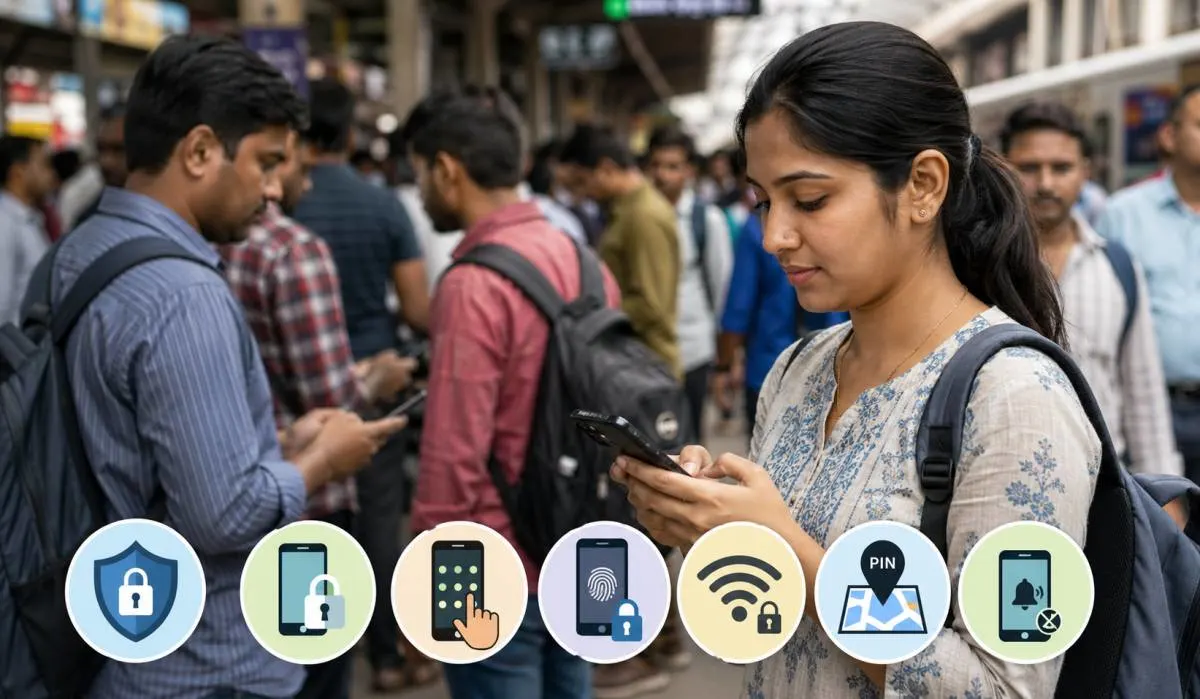
- Avoid public Wi-Fi for work tasks
- Question any unexpected email, link, or fileeven from someone you know
Want to make this stick? Use a password manager, and set a reminder to update devices every month. If you travel, consider a separate laptop or phone for business. These small habits blow away 95% of the risks most leaders face.
How Can Executives Build Good Cyber Security Habits?
It's not just about tech. You need habits that work even when you're tired or distracted (because that's when hackers strike). Here are some ways to build strong routines:
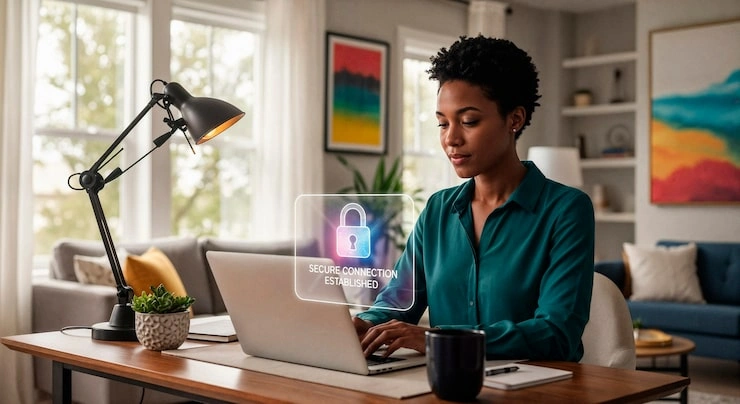
- Keep private and business devices separate
- Lock devices when not in use (even if it's just for a minute)
- Limit who gets your direct contact info
- Regularly review your phone and app permissions
- Have a trusted person to check with if anything feels off
Successful leaders make security part of daily life. They talk about risks with their teams and don't pretend they're invincible. If you turn security into a habit, it becomes automaticlike brushing your teeth before bed.
What Should Executives Do After a Cyber Incident?
If something goes wrong, don't panic. Mistakes happen, even to pros. But how you respond can make or break the situation. Here's what works:
- Tell your IT or security team right awayeven if it's embarrassing
- Don't try to fix it alone or hide what happened
- Stop using the affected device or account until it's checked
- Change passwords immediately
- Review what information was at risk and who needs to know
Companies that respond fast limit the damage. If you set a good example, your team will follow. Transparency beats cover-ups, and swift action often prevents a single slip from becoming a giant crisis.
How Does Cyber Risk Management Fit Into Executive Roles?
Every leader manages riskit's part of the job. Cyber risk is just a newer, faster version. Smart execs ask good questions and make sure security is a regular board topic. This isn't about fearit's about being ready. Here's how you can stay proactive:
- Get simple updates from your security teamno jargon
- Ask for test runs or "tabletop" scenarios (like a fire drill for hacks)
- Support regular employee workshops on security
- Know what's being protected, why it matters, and how you'd recover
If you treat cyber security the same way you treat financial or legal risks, you make fewer mistakes and bounce back faster if problems pop up. It's just smart leadership.
Final Thoughts: Keeping Your Guard Up Without Losing Sleep
No company is bulletproof. But if you're aware, alert, and prepare, you're much less likely to get blindsided. Pick one habit to start this weekmaybe a new password for your email, or learning to spot phishing emails. Share your commitment with your team. Most attacks count on people ignoring the basics. Take care of those, and you've already beaten the odds.
FAQs
- What are quick cyber security tips for executives?
Start with strong passwords, use two-step verification, and keep all devices updated. Don't click on any link or attachment unless you are 100% sure who sent it. These steps stop most attacks before they start. - Why do hackers target business leaders?
Leaders have access to important info and can approve actions, so hackers go after them first. If a hacker tricks a leader, it's easier to get into a company or steal data. That's why information security for business leaders matters. - How can I know if I've been hacked?
If you see strange logins, can't access an account, or people get odd emails from you, you might be hacked. Some attacks are sneaky, so watch for anything odd. If you suspect something, alert your IT team early. - Is it safe to use public Wi-Fi for work?
Public Wi-Fi is risky, even for quick emails. Hackers can watch what you do or steal info. If you must use it, never check sensitive business info. A personal hotspot is much safer for executives on the move. - What should executives include in cyber risk management?
Know where the biggest risks are (like email and company files), make sure staff get regular training, and create plans for what to do if a hack happens. Staying prepared is the best way to reduce damage. - Do executives need special training in cyber security?
Yes. You don't need to be an expert, but you should learn the most common threats and how to avoid them. Even quick workshops can make a huge difference in keeping your company safe.