Let’s be honest for the second. If you run a small business, cyber security probably is not something. You wake up excited to think about. You are busy handling customers, payments, staff, issues, deadlines, and hundred small fires every day. Once someday cyber security, it sound technical, expensive, and honestly Overwhelming for small business of quietly think that why would anyone hack me?
Here is an uncomfortable truth that a small businesses are not one of the easiest targets right now. Not because they are, you are careless, but because you are busy, trusting, and usually do not have the time to think like a hacker. The good news? You do not need to be a technical. You do not need a fancy system.
You trust just better habits. This guide is written for the normal humans. No scary language. No IT talk. Just practical steps that actually makes a difference.
Why small businesses get targeted more than the big company?
Most people assume hackers only go after giant companies. That used to be true. Not anymore. Big companies have security terms, alert alerts, back up and lawyers. Small business is usually do not. From hackers point of you that is fewer defence, shared passport, no more monitoring, quicker pay off. That is attacks on small businesses are rising fast. When something goes wrong, it hurts more because lost customer trust, frozen accounts, downtime, panic, financial distress. Cyber security is not about fear. It is about protecting what you worked hard to build.
You may also read :- Cyber Security Management In The Age Of AI Threats
You do not need to be a good with computers
This part matters, so radiator slowly. Fibre securities is not about being technical. It is about being careful, consistent, and aware. Most successful attacks happen because of weak passwords, fake emails, outdated software, shared logins, and no back ups. Not because someone did not understand coding. If you fix those basics, you are already safer than many businesses.
Password – the small changes that fix a lot
Let’s talk password because this is where most problems start. Common situations that one password for everything, password shared on WhatsApp, passwords never changed, admin 123. Still floating around. Sounds similar? You are not alone. Here is a simple rule that works.
Long is better than complicated
Instead of business@ 123
Use – morningcoffeeorders2025 !
Easy to remember. Hard to guess. And please – no password sharing in chat of the emails
Use the password manager, it is not a scary as it sounds
A password manager sounds technical, but it is actually a life saver. Think of is at as – a secure digital notebook, remembers password for you, let’s see you share access safely and remove access instantly when someone leaves. Instead of sending passwords around, everyone locks it through it. Once you Use one, you will wonder how you manage without it.
Turn on two factor authentication everywhere
If there is one thing, I would be back every small business owner to do it. Two factor authentication means that password with phone code, password with the app approval. Turn it on for email, accounting tools, cloud storage, and the social media account. Even if someone steal a password, they still cannot get in. This one step block huge number of attacks.
Email is everywhere most trouble begins
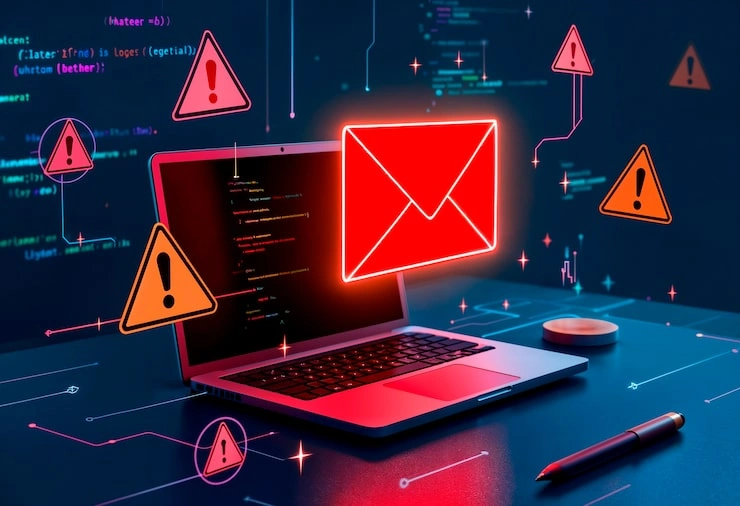
Almost every cyber issue start with that email. No – they do not look obviously fake anymore. They look like – invoices, delivery updates, banks, messages from your boss and supplier request. Train yourself and your team to slowdown, check and address, question urgent request and never rush payments or Tata sharing. A good role that is the urgent email deserves extra checking.
Keep your devices updated, yes, even the old ones
Updates are not annoying for no reason. They fix security holes. Make sure that computers update regularly, Phone loves updates regularly, browsers update, businesses app update. Ignoring updates for the month is like leaving your shop door unlocked overnight.
Secure your Wi-Fi
This is one basic fixes that changes, default router password, use a strong Wi-Fi security, separate guest Wi-Fi from the work Wi-Fi. You do not need to working degree just do not use factory settings.
Give access only where needed
Not everyone needs access to everything. It is tempting to keep things simple by giving full access – but that increase risk. Instead use limit access by role, remove axis when role exchange immediately revoke axis when someone leave. Less access is less damage if something goes wrong .
Back ups are your safety net
Do not feel important until you need them. Every small businesses should have that automatic backup, cloud or external storage and the occasional checkers on the make sure backup works. If backup exist, cyber incident and becoming annoying that – not fatal.
Use build in security tools, they are already there
Most systems already include Aunty, antivirus, fire, and the basic protection tools. Just make sure that they are turned on, updated, not disabled to speed things. A slightly slower system beats are shut down businesses.
Get your team involve without lecturing them
Security fails when only one person cares. Short reminders work better than the long training – do not click suspicious link, do not share passwords, report, weird emails, and lock screen when away. People do not need fear – they need clarity.
Simple rules meet complex policies
You do not need a 30 pay security document. Simple rule works best that is payment. Need approval, passwords are not shared, personal devices. Follow basic roles and the suspicious activity gets reported. Clear rules, prevent prevent problems later.
Have a what if plan
No drama – just preparation. Ask that what is the email get hack? What is files are locked? What if systems go down today? Knowing what to do rescue panic and downtime.
Cyber securities is a habit, not a project This is not something you finish. It is a small checks, small updates and regular reminders. Consistency matter more than the perfection.
Conclusion
Fibre securities does not have to be a scary, technical or overwhelming. Or small businesses, it is about better passwords, safer, email, habits, updated devices, limited access, and the reliable backup. That is it. When you focus on a small simple steps and stay consistent, you protect your business, your customer and your piece of mind – without becoming a tech expert.
Frequently Asked Questions
Do a small business businesses really need cyber security?
Yes – especially because attacker, see them and easy types targets.
Is cyber security expensive?
No. More protection are low cost or free.
Do I need IT team?
No. Good habits cover most risks.
What is the biggest mistake, a small businesses make?
Week password, and following for the fishing emails.
Can cyber attacks shut down a small business?
Sadly, yes – which is why prevention matters.