You buy groceries online. Your photos live on your phone. Your password is probably the dog's name and a few numbers. If you're already nodding, you're exactly who this cybersecurity for beginners guide is for. Staying safe online isn't just for the tech savvy. Everyone, from college students to grandparents, needs to understand the basics or risk losing way more than just a few files.
Here's what you'll get: hidden secrets pros know, real-world examples, and super simple tips that'll keep you way ahead of most hackers. Ready to ditch the feeling of 'I'm probably not doing enough'? Let's jump in.
What is Cybersecurity (And Why Should Beginners Care)?
Cybersecurity means protecting your digital life: your phone, your laptop, even your smart fridge. It's about making sure bad guys can't mess with your photos, bank info, or personal messages. Maybe you're thinking, 'No one would bother with me.' Truth is, most attacks aren't personalthey're lazy. Hackers try easy tricks on millions, hoping someone slips up.
- If your password is "123456"they already know.
- Using public Wi-Fi at the coffee shop? It's riskier than you think.
- Getting weird emails from 'your bank'? It could be a scam.
Cybersecurity basics help you dodge scams, keep private stuff private, and avoid the headache of dealing with stolen accounts.
Which Cybersecurity Mistakes Do Beginners Make Most?
The biggest threats often come from stuff that looks harmless. Most beginners have blind spots because, let's face it, nobody teaches this in school.
- Reusing passwords everywhere
- Clicking links in sketchy emails or texts
- Posting too much personal info online
- Skipping software updates
- Not using two-factor authentication
I made almost every mistake above when I started. The day my account got hacked, I realized 'simple' didn't mean 'safe.'
What Are the Basic Cybersecurity Tips Everyone Should Know?
- Make passwords long and unique for each account. Use a phrase, not a word. Try a password manager if you can.
- Turn on two-step verification. It asks for an extra code after your password. Yes, it's one more step, but it stops hackers fast.
- Keep your devices updated. Updates fix holes hackers use to get in.
- Be suspicious of emails and texts. If something feels off, don't click links or download files.
- Protect your Wi-Fi. Use a strong password for your own network and avoid public Wi-Fi for anything important.
Start with these and you're already safer than most people.
How Do You Spot a Scam (Phishing) Email?
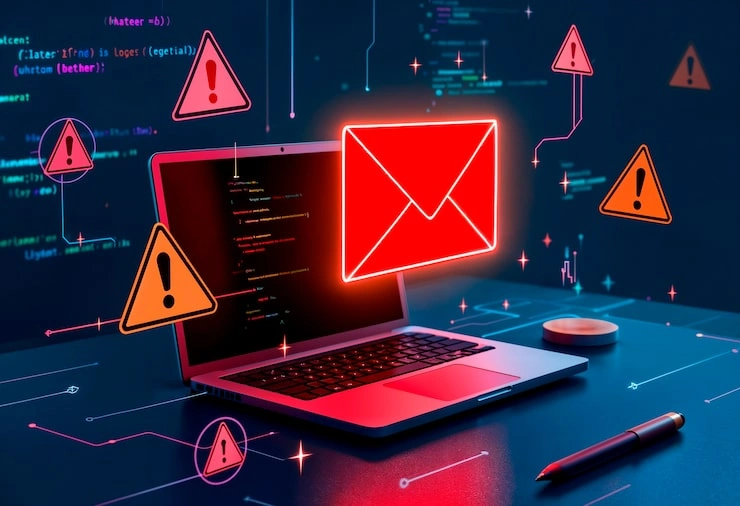
Phishing is when someone pretends to be your bank, a friend, or a store to steal your data. They're getting better every day, but here are some clues:
- Weird sender email (like info@bank-support23.com)
- Lots of urgent language ('ACT NOW! PASSWORD EXPIRED!')
- Bizarre typos or awkward grammar
- Links that don't match the company's website
Even pros get fooled sometimes. When in doubt, don't click. Check by signing in directly on the company's real website or calling customer service.
Why Do Software Updates Matter So Much?
Updates aren't just about fancy new emojis. They're mostly about fixing stuff hackers figured out. That annoying 'update available' reminder? It could be the one thing standing between you and a big headache. Heres the trick: set updates to automatic so you dont forget.
Can Social Media Put You At Risk?
Social media is fun, but it's a goldmine for scammers and cybercriminals. When you share your birthday, hometown, or pet's name, you're sharing answers to common security questions.
- Set your profiles to private when possible
- Think before posting personal details
- Be picky about friend requestsif you don't know them, ignore
A rookie mistake: sharing vacation plans while still at the beach. Thats an invite for someone to mess with your stuff back home or even try to break into your accounts while youre distracted.
Do You Need Antivirus or Extra Security Software?
Most devices come with some protection, but it's not foolproof. If you download random files, use shady sites, or aren't careful with email attachments, decent antivirus software adds a safety net.
- Keep built-in security tools active and updated
- If you want more, go for well-known brands, not pop-ups that promise free scans
No program catches everything. Your good habits matter way more than a fancy security app.
What's the Easiest Way to Learn Cybersecurity Skills?
Nobody starts as an expert. Take it slow and keep practicing basic cybersecurity tips in your daily life. Try things like:
- Watching beginner cybersecurity tutorials
- Making password changes a monthly habit
- Testing yourself with online quizzes or games about internet safety for beginners
Learning cybersecurity doesn't happen overnight, but every small step helps you (and your family) stay safer.
What Should You Do If You Think You've Been Hacked?
Panic solves nothing. Heres what works:
- Change passwords to anything and everything importantstart with email
- Log out of suspicious devices
- Turn on two-factor authentication if you havent yet
- Scan your devices for malware
And if you feel lost, ask for help. Most companies have support teams who deal with this all the time. Youre not the first, you wont be the last, and you can always bounce back.
The Beginner's Secret Weapon: Consistency
The biggest secret? Make cybersecurity habits automatic. Don't treat it like a big project, but like brushing your teeth: small actions, done every day, are everything.
- Update when asked
- Pause before clicking
- Rethink those easy passwords
None of this is a magic fix. But if you do these small things every time, you'll lock out 99% of what hackers try. Your digital life will thank you.
FAQs About Cybersecurity for Beginners
- Is cybersecurity hard to learn for beginners?
Not really. The basics are simple: protect your passwords, update your stuff, and be cautious online. You dont need to code or know all the jargon. Start with the key habits here and add more as you go. - How often should I change my passwords?
Change important passwords (like email and bank accounts) at least every six months. If you think ones been leaked, change it right away. Using a password manager makes things easier and safer. - Do I need to pay for expensive cybersecurity software?
Nope. Most devices have good free security tools. If you want extra peace of mind, a trusted antivirus can help. Dont buy anything that claims to fix all your problemsyour habits matter more than the software. - Whats the safest way to use public Wi-Fi?
Dont use it for banking or shopping. If you must, never log into important accounts. Using your phones mobile data or a virtual private network (VPN) is much safer for anything personal. - How can I tell if a website is safe?
Look for a padlock icon and https in the web address. Dont enter personal info on sites that look sketchy, have lots of pop-ups, or ask for weird details. If something feels off, trust your gutleave the site. - Whats the first thing I should do to get started with cybersecurity?
Pick one habitlike making your passwords stronger or turning on two-step verificationand do it today. Start simple and build from there. The more you practice, the easier it gets.