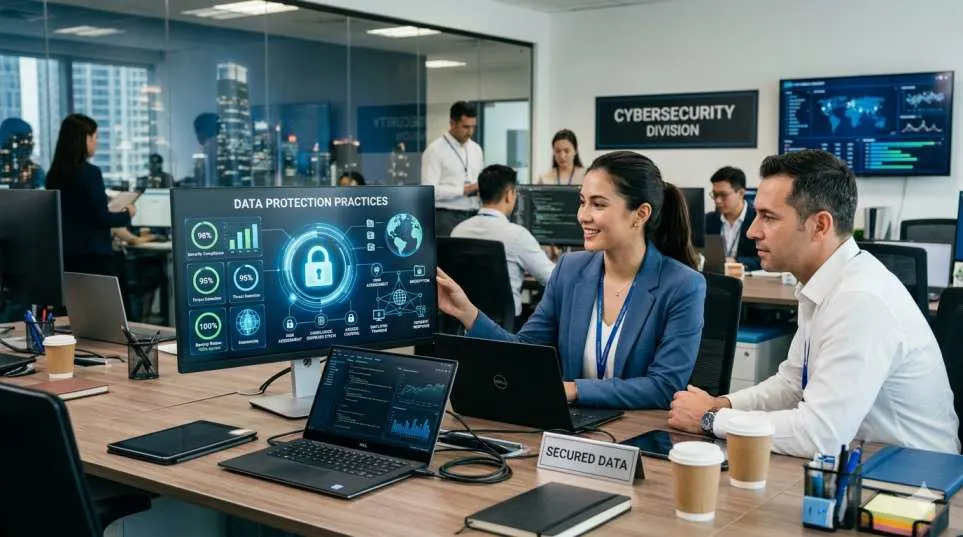
You know that friend who refuses to use their credit card online? Or the one who chuckles at security warnings until they get locked out of their email? Most of us don't think about online threatsuntil something actually happens. The truth is, you don't need to be a tech pro to keep yourself safe. You just need to know the moves that matter. These essential cybersecurity practices aren't rocket science, but they can save you a mountain of headaches.
Why are these cybersecurity basics important?
Lets get real: most personal data online is way easier to steal than you'd guess. Think about everything you doshopping, banking, emailing, texting, paying bills. That's a goldmine for someone looking to hack you. Attackers dont care if youre famous or not. If youre online, youre a target. Learning essential cybersecurity practices means youre not handing over your life to strangers. No fancy skills. Just real actions that keep hackers annoyed and out of your stuff.
What are the core cybersecurity tips I should know?
Keeping safe isnt about fancy software or techy setups. Its about small choices every day. Heres what works:
- Use strong passwords: Password123 is basically an open door. Make it long and random, use phrases, or let a password manager do it for you.
- Turn on two-factor authentication (2FA): Whenever theres an option, use it. Its like locking your door and setting the alarm.
- Keep devices updated: Updates fix holes hackers use. Dont ignore those reminders, no matter how annoying they are.
- Think before clicking: If a message, email, or pop-up looks fishy, it probably is. Dont click until youre sure.
- Dont share everything: Avoid blasting your birthday, address, and private details everywhere online.
It's about habits, not tech. Change one, and you're already safer.
How do I protect my personal data every day?
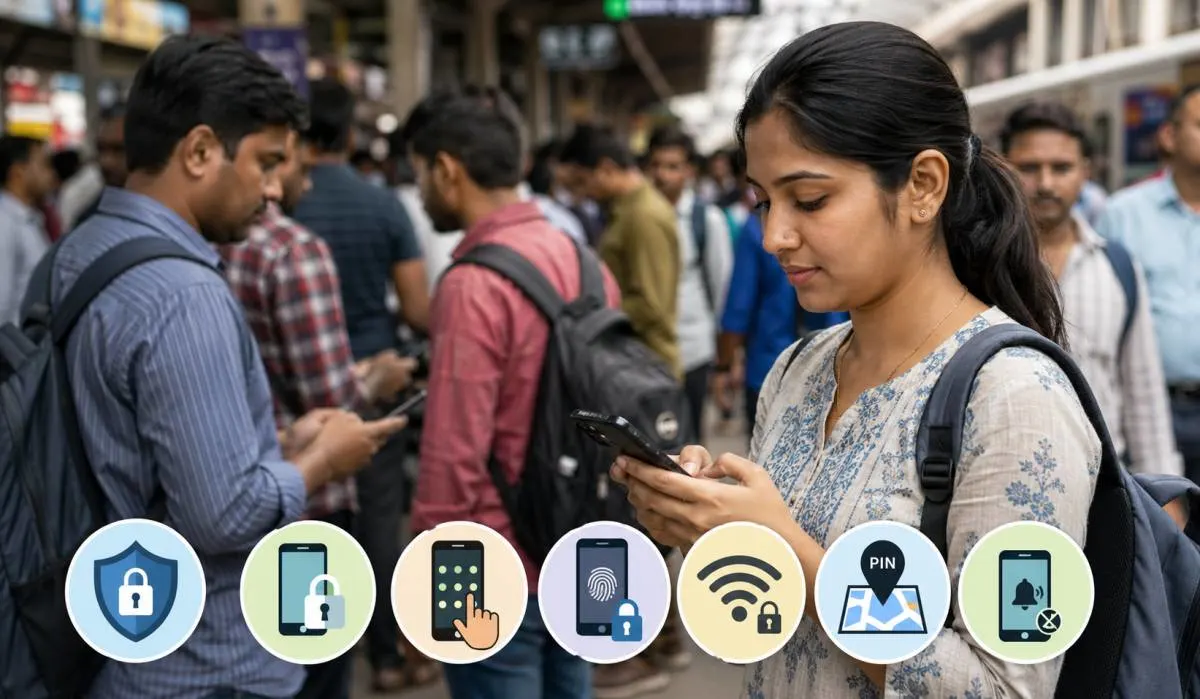
Your personal info is cash for hackers. Protecting it doesn't have to be hard. Heres how:
- Lock your phone/laptop: Use a PIN or password, not a swipe or nothing at all.
- Check account privacy: Social media loves to overshare. Tweak settings so strangers cant see your stuff.
- Be careful with public Wi-Fi: Only shop or bank when youre on your own network. Public Wi-Fi is eavesdropping central.
- Backup your files: Whether its family photos or work stuff, save a copy somewhere elsecloud or hard driveso youre not toast if you get locked out.
If you slip up one day, dont panic. Change your password, run a quick scan, and remember what tripped you up for next time.
Why does everyone keep talking about passwords?
Passwords are like the lock on your front door. Most people use the same one everywhere, or pick something easy to remember. Thats like having one key for your house, car, and bike, then taping the key outside your door. Hackers have tools that can guess basic passwords in seconds. Use password managersthey store and create tough passwords, and you only have to remember one super-strong password. It makes a world of difference.
How can I spot a phishing scam without freaking out?
Ever get an email from your "bank" saying somethings wrong with your account? Or a DM from a friend asking for money out of the blue? Those are classics. If a message feels off, heres what you should do:
- Double-check the sender. Look for weird email addresses.
- Hover, dont click, on links to see where they really go.
- Ask yourself: Was I expecting this? If not, stop.
- Call the person or company directly if youre unsure.
Miss one and click? Change your password fast and run a security scan. Happens to the best of us.
How do online security essentials help at work and home?
Its easy to think cybersecurity is just for work, or something IT handles. But the risks follow you home. Clicking a bad link at home can hit your bank account. Reusing a password can put your work files at risk. What keeps you safe personally also protects your job, your friends, and your family. The lines are blurry, so solid online security essentials matter everywhere.
Are security apps and antivirus still useful?
Yes, but dont let them do all the work. Security apps and antivirus catch things you might miss, like malware hidden in downloads. Set them to update and scan automatically so you can forget about them. Still, theyre a safety net, not a substitute for good habits.
What should I do if I get hacked?
Dont panic. Seriously. Heres the plan:
- Change your passwordsanywhere connected to the hacked account.
- Tell your bank or anyone else involved, just in case.
- Check your security settings and look for anything new or weird.
- Let friends or coworkers know if it affects them.
And next time? Check your habits. One small change can stop it from happening again.
Can I make my kids or parents safer online too?
Kids and older family members are hacker favorites. They trust easily or dont get how the scams work. Heres what helps:
- Talk about basic online scams in real talk, not lectures.
- Turn on parental controls or privacy settings.
- Set up password managers for them.
- Remind them to never share personal info unless you say its okay.
You cant block every risk, but you can make sure your family isnt an easy target.
FAQs: Essential Cybersecurity Practices
- What are the most important cybersecurity tips for everyday use?
Start with strong passwords, use two-factor authentication, avoid sketchy links, keep your devices updated, and back up your data. These simple steps cover most online risks and protect your personal info. - How often should I update my passwords?
Change your passwords at least twice a yearor any time you think one might be exposed. Password managers can help create and store new, complex passwords so you don't have to remember them all. - Is using public Wi-Fi ever really safe?
Public Wi-Fi is risky, especially for banking or shopping. If you have to use it, avoid logging into sensitive accounts and use a VPN if possible. It's much better to wait and use your home or mobile data connection. - Why use two-factor authentication if I already have a strong password?
Two-factor authentication adds another layer of security. Even if someone gets your password, they can't log in without the code sent to your phone or app. Its worth the extra step. - Can antivirus software stop all threats?
Antivirus software stops lots of common threats, but not every single one. It's a good backup but still needs your attentionstay cautious about what you click and download. - What do I do if I think my accounts have been hacked?
Change your passwords right away, check account activity, and let your bank or other important contacts know. Most problems can be fixed quickly if you act fast and update your security.
Locking down your online life doesnt have to be all-or-nothing. Start with a few of these best cybersecurity practices. The more you do, the easier they get. You'll barely notice the differenceexcept your peace of mind.